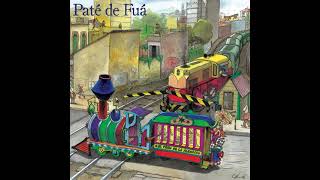
Yuyo Verde - En Vivo Lyrics in English by Paté de Fuá
Yuyo verde literally translates to "green weed" or "green herb." It's an interesting and somewhat unusual phrase to find in a song title, especially one described as an "antiguo tajo argentino" (an old Argentine tango).
In the context of tango and Argentine culture, "yuyo" can sometimes refer to a wild, persistent plant, often with a slightly melancholic or nostalgic connotation. Its presence in the lyrics, particularly in relation to a lost love or a past that "no se vuelve" (doesn't return), suggests a memory or feeling that, like a weed, stubbornly persists despite time and change. This makes it a unique and evocative phrase.
This live version of "Yuyo Verde" by Paté de Fuá is a beautiful, melancholic tango that feels like a bittersweet memory. The song opens with the band introducing it as an "antiguo tajo argentino" [an old Argentine cut], a classic tango, and you can really feel that traditional influence throughout.
It tells a story of lost love, walking hand-in-hand down a "callejón" [alleyway] that now feels like a distant dream. The lyrics, "porque igual que en un tango y 12 perdidos de la mano" [because just like in a tango, and two lost hand-in-hand], perfectly set the scene for a romantic, yet ultimately sorrowful, reflection. The singer remembers a "cielo de verano" [summer sky] that seemed to say goodbye, and the pain of a love that's gone. There's a powerful sense of longing as they ask, "a dónde te has ido, donde están plumas de mi nido" [where have you gone, where are the feathers of my nest?], a really poetic way to express the emptiness left behind. The repeated line about not being able to return to your country, "que tu país ya no se vuelve" [that your country is no longer returned to], adds another layer of irreversible loss, connecting the personal heartbreak to a larger, more permanent separation. It's a truly moving piece about memory, regret, and the things we can't get back.