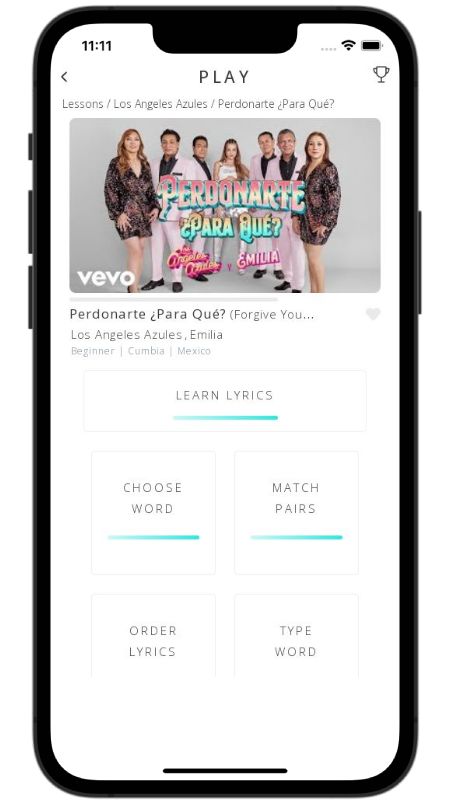
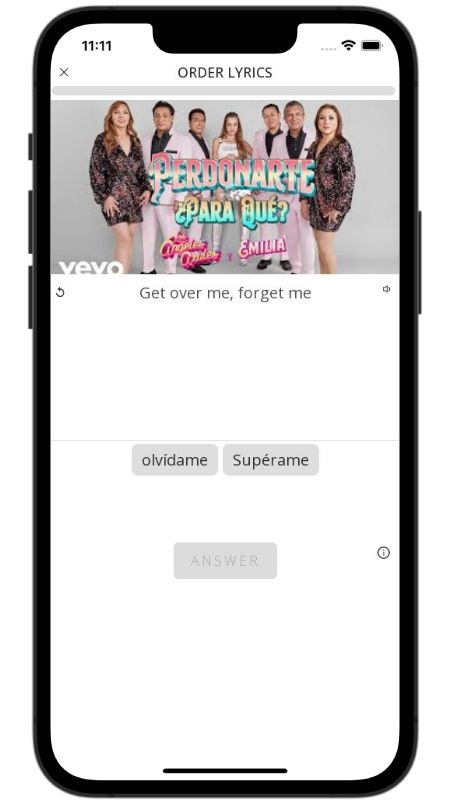
Perdonarte ¿Para Qué? Lyrics in English by Los Angeles Azules, Emilia
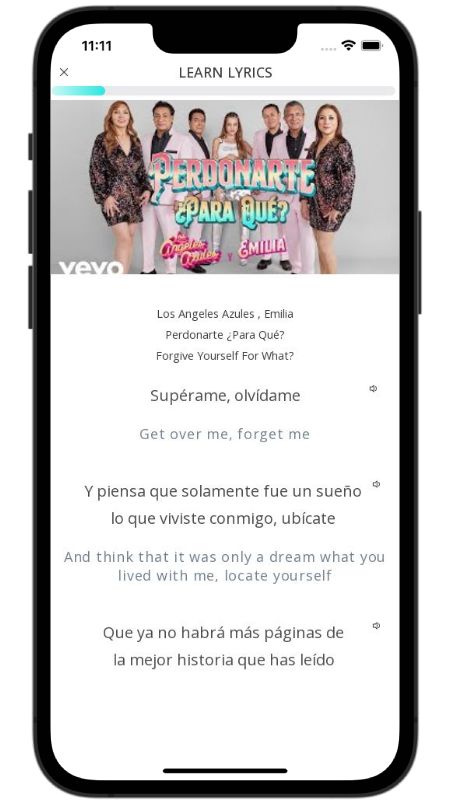
Ubícate literally translates to "locate yourself," but it's a popular colloquial command that means "get real" or "get a grip." It’s a sharp way to tell someone they're being delusional and need to face reality.
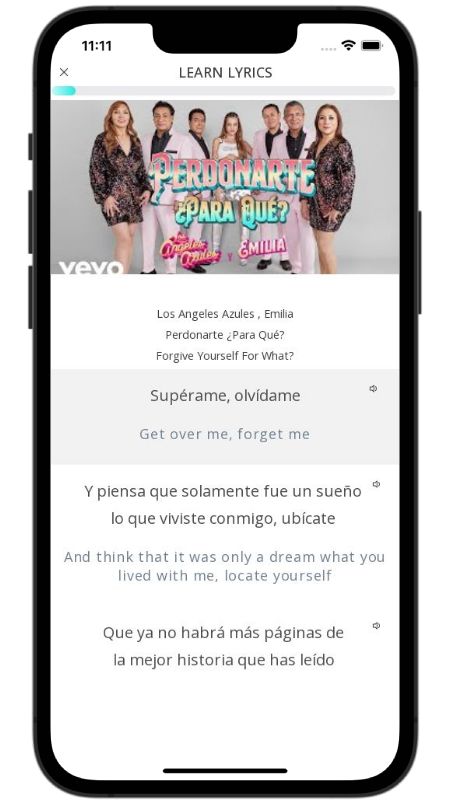
In the song, the singer uses it to shut down their ex, singing "...lo que viviste conmigo, ubícate" (what you lived with me, get real). It's a powerful and direct dismissal, telling the ex to accept that the dream is over and the relationship is finished for good.
Mexican cumbia legends Los Ángeles Azules team up with Emilia for a breakup track that completely shuts the door on an ex. The singer is done listening to excuses, bluntly asking, "¿Perdonarte, para qué? / ¿Para que vuelvas a fallarme otra vez?" ("Forgive you, for what? / So you can fail me again?"). Instead of crying over the split, she treats their apologies like bad comedy, adding, "Ese chiste ya no me hace gracia" ("That joke isn't funny to me anymore").
The lyrics are packed with great everyday Spanish idioms. When Emilia sings "ubícate" ("get real" or "know your place"), she is telling her ex to snap back to reality and move on. She warns them that "ya el avión se te fue" (literally "the plane already left you"), a common phrase that means "you missed your chance." There is no friendship offer on the table here: "no te quiero ni de amigo" ("I don't even want you as a friend"). It is a bold, danceable cumbia about drawing a hard line and walking away.