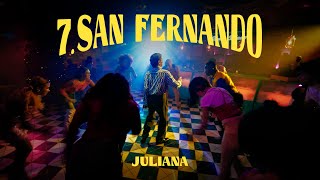
The Heaven Lyrics in English by Juliana
Ensueño translates to "dream" or "fantasy," but it carries a more poetic and idyllic connotation than the common word "sueño." It evokes a sense of a perfect, almost magical dreamland.
In the song, Juliana sings, "En la isla de ensueño se sonríe y se llora" (On the island of dreams, one smiles and cries). This word beautifully captures the bittersweet reality of her island home, portraying it as a place of both joy and sorrow, yet still a dreamlike paradise.
Juliana's "The Heaven" is a fiery invitation to her world, directly from the island of San Andrés! She immediately sets the scene, declaring "En este cielo todo arde" [In this heaven, everything burns], a line so good she repeats it throughout the song. It's a place of intense passion and perhaps a little danger, where everything is alive with heat.
She welcomes us to this "tierra desierta" [desert land], a place where the future is uncertain, but everything you see was built with patience. There might not be a lot of food, but "aquí hasta el perro se sienta a almorzar" [here even the dog sits down to lunch] – a funny, vivid image of community and making do. They've learned to withstand hardship, like the waves, and time passes easily. On this "isla de ensueño" [dream island], people experience both joy and sorrow, and when desire takes hold, "No hay raza ni continente" [There's no race or continent]. It's a place where "hasta el hielo es caliente" [even the ice is hot], so when the skin becomes a magnet, don't be afraid to give in to the rhythm of the dance.