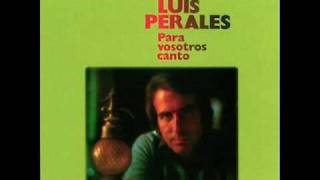
Si A Ti Te Hubieran Dicho Lyrics in English by José Luis Perales
Atormentes comes from the verb atormentar, meaning "to torment" or "to torture." It's a strong, evocative word that immediately conveys a sense of deep emotional distress.
In the song, José Luis Perales uses it in the phrase "No, no te atormentes más" (No, don't torment yourself anymore). This powerful plea encourages the listener to stop suffering and seek something more from life, making it a memorable and impactful word choice that resonates with the song's theme of self-liberation.
Have you ever felt completely alone, even when you're with someone? José Luis Perales's "Si a ti te hubieran dicho" [If they had told you] explores that exact feeling. It's like a conversation with a friend who's realizing that love isn't always a "lecho de rosas" [bed of roses], and that after the initial romance, there can be empty spaces to fill.
The song asks some really direct questions, like "Si a ti te hubieran dicho que tu voz estando él se apaga" [If they had told you that your voice goes out when he's around]? It's all about that moment of clarity when you realize you're losing yourself in a relationship. But it's not all sad! The song also offers a powerful message of hope and self-worth, urging you to "despiértale y cuéntale que esperas algo más" [wake him up and tell him you expect something more] because, after all, "hay que vivir solo una vez" [you only live once].