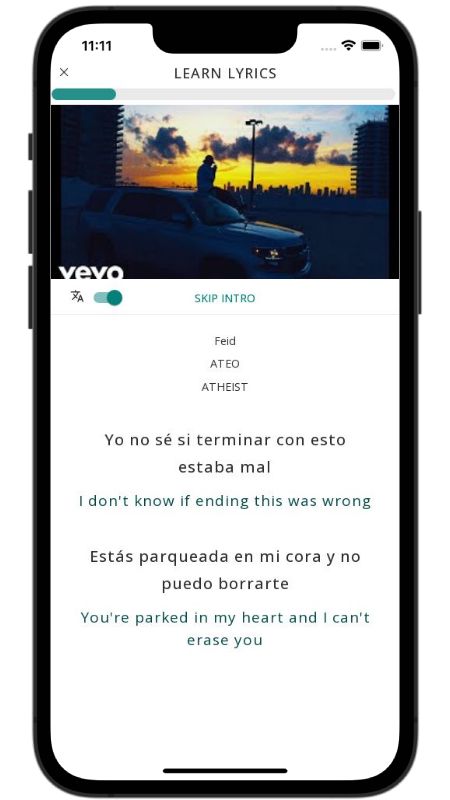
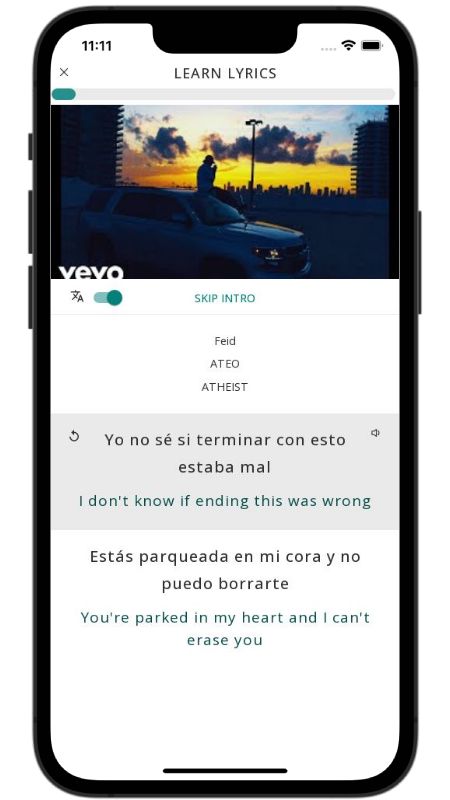
ATEO Lyrics in English by Feid
Ateo translates to "atheist". It's an intriguing word to find in a reggaeton song, as it immediately makes you wonder about its context.
In the song, Feid uses it metaphorically to express how a past heartbreak has made him lose faith in love and relationships. He sings, "Me volviste ateo / Por tu culpa de la calle, bebé, a ninguna le creo" (You turned me into an atheist / Because of you, baby, I don't believe any woman from the streets), implying that his trust has been shattered to the point of disbelief in love itself.
Feid’s “ATEO” spins a late–night confession over a reggaetón beat, where love and lust clash on the dance floor. The Colombian hitmaker admits he’s so hurt that he’s “become an atheist” in matters of the heart—he no longer “believes” in any girl he meets on the streets since losing the one who parked herself in his heart. Between shots of liquor and glowing club lights, he scrolls her videos, longs for her texts, and blocks every other contact in hopes of winning her back.
Under the bass, the song is really a plea: he doesn’t want small talk, he wants to feel her close again, convinced that no one knows her body like he does. “ATEO” captures that relatable moment when heartbreak mixes with nightlife—dancing, drinking, and pretending to move on—while secretly begging for one more chance to reconnect, both emotionally and physically.