¿Y Si Eras Tú? Lyrics in English by Ela Taubert
Tenernos is a beautiful Spanish construction that means "to have each other". It combines the common verb tener (to have) with the pronoun nos (us/each other).
In this heart-wrenching ballad, Ela Taubert sings, "Pido que haya otra vida para tenernos" (I ask that there be another life for us to have each other). This single, poignant word captures her deep longing for a love that's been lost, wishing for another chance at a reunion that feels impossible now.
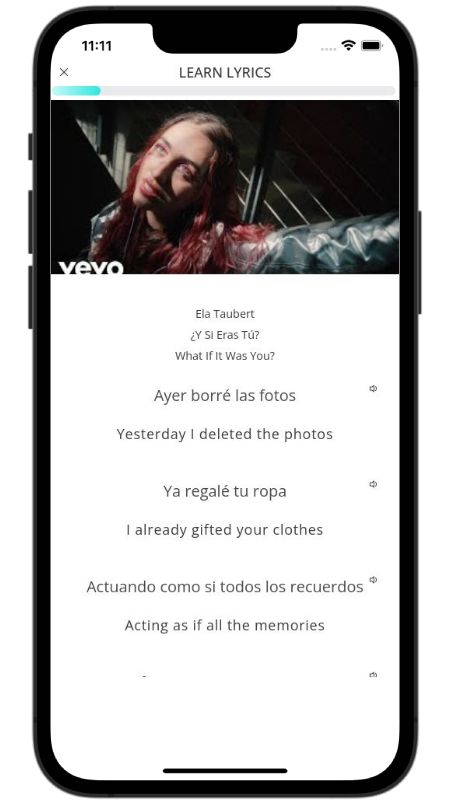
Have you ever cleaned out your closet after a breakup and pretended your feelings vanished with the old shirts? That is where Colombian singer Ela Taubert starts in "¿Y Si Eras Tú?". She sings "Ayer borré las fotos / Ya regalé tu ropa" ("Yesterday I deleted the photos / I already gave away your clothes"), hoping that purging her camera roll and wardrobe will hit reset on her brain. Instead, she gets stuck spiraling over the common myth that by your early twenties, you are supposed to have found your forever person ("Que a los veintidós se supone / Que ya has encontrado al amor de tu vida" ["That at twenty-two you're supposed to / Have already found the love of your life"]).
What makes the track hit so hard is the blunt dread of what comes next. She isn't just missing an ex; she is terrified that nobody else will ever accept her quirks, admitting "sólo tú has sabido / Quererme hasta con mi ansiedad" ("only you knew how / to love me even with my anxiety"). She worries she will spend the coming decades trying to move on, only to end up with "el corazón a la mitad" ("half a heart"). She even flips the classic cliché about letting go on its head: "Si amar es dejar ir, te hubiera amado menos" ("If loving is letting go, I would have loved you less"). It is a super relatable pop ballad about the fear of realizing the one who got away might have actually been "the one."