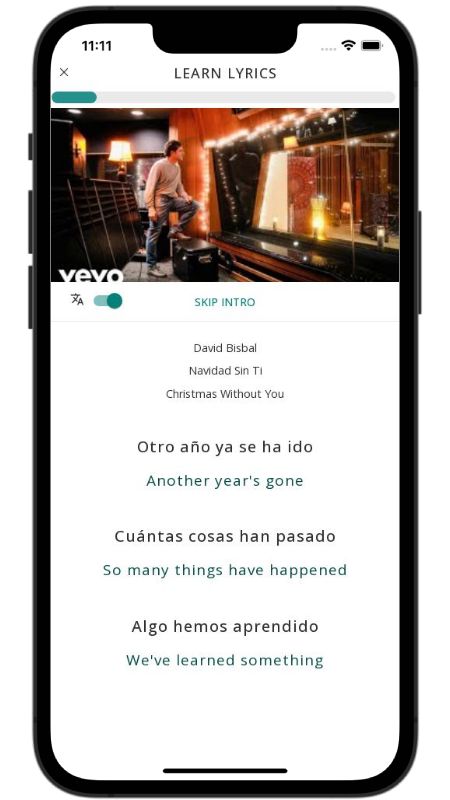
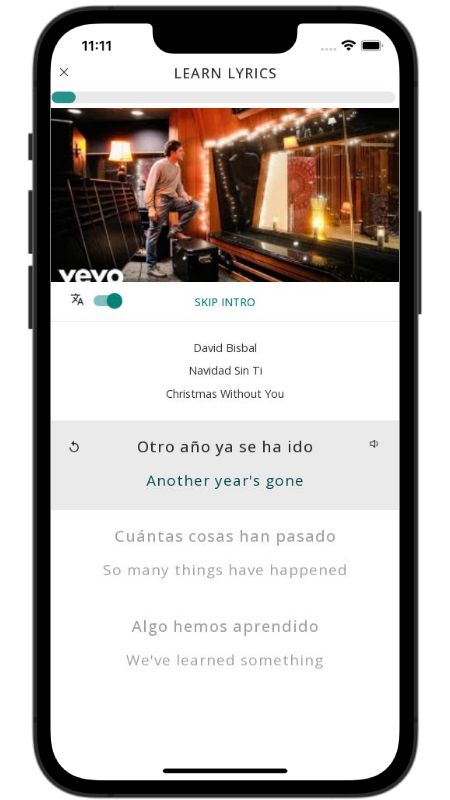
Navidad Sin Ti Lyrics in English by David Bisbal
Agonía is a powerful word that translates to "agony". It often refers to the suffering and struggle experienced in the final moments before death.
In this emotional Christmas ballad, David Bisbal isn't celebrating. He describes the end of the year as "la agonía de este año" (the agony of this year), using this intense word to express the profound pain and loneliness he feels as the year comes to a close without his loved one. This dramatic and poetic choice makes his sorrow incredibly vivid.
David Bisbal delivers a classic holiday ballad about spending the festive season completely alone while pining for an ex. Even with another year gone by and time passing, he admits that deep inside, nothing has changed: “Siempre te tengo conmigo / Sigo tan enamorado” ("I always keep you with me / I am still so in love"). The holiday surroundings only make the absence sting worse. While everyone else enjoys parties, he watches the blinking Christmas tree lights (“Las lucecitas de mi árbol”) and feels out of place surrounded by piñatas and smiles (“entre piñatas y sonrisas”).
Things get dramatic when he looks in the mirror and claims he is withering away as the year ends (“En la agonía de este año / Siento que muero con él” ["In the agony of this year / I feel like I die with it"]). He even bought the exact gift his ex used to beg for (“Ahora tengo aquel regalo / Que tú tanto me pedías”), clutching an old photograph to his chest instead of celebrating. Yet despite the heavy dose of self-pity, he manages a surprisingly selfless gesture in the chorus: raising a holiday toast to his lost love's happiness (“Por tu felicidad / Hoy brindo en esta Navidad” ["For your happiness / Today I toast this Christmas"]).