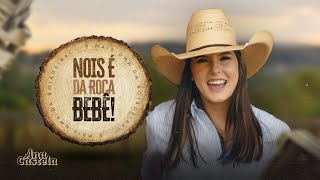
Carinha De Bebê Lyrics in English by Ana Castela, PEDRO SAMPAIO
Boiadeira literally translates to "cowgirl" or a woman who works with cattle. It's a central theme in the song, representing a strong, independent, and adventurous woman from the countryside.
The term is unique and culturally specific to Brazilian country music (sertanejo), making it an interesting word for learners. In the context of the song, it embodies a confident and alluring persona, often associated with a rustic yet stylish image.
Carinha de Bebê throws you straight into Brazil’s rodeo nightlife, where dust-covered pickup trucks, oversized cowboy hats and the contagious cry of the boiadeira (female cattle-driver) set the scene. Ana Castela steps out “do jeitão que eles gostam,” flaunting a mix of toughness and charm that makes heads turn. Her lyrics celebrate a confident country girl who packs her own saddle, rules the dance floor and doesn’t mind getting a little dirt on her boots while doing it.
The hook “chapéu e carinha de bebê” sums up the song’s playful contrast: a big rustic hat paired with an innocent baby face. Pedro Sampaio’s electronic beats fuse with sertanejo rhythms, turning horse-riding commands like “upa, upa cavalin’” into an irresistible dance call. From the truck to the bedroom, the track paints a flirtatious adventure where rural swagger meets modern club energy — inviting everyone to gallop, groove and fall for the magnetic boiadeira spirit.







![Só Não Deixa Saudade [Ao Vivo] Lyrics Translation](https://img.youtube.com/vi/xk_RO-5KLWQ/mqdefault.jpg)



![Alerta De Golpe [Ao Vivo] Lyrics Translation](https://img.youtube.com/vi/IgG1ekanyFQ/mqdefault.jpg)