Monotonía Lyrics in English by Shakira, Ozuna
Monotonía translates to "monotony," but it carries a much heavier weight than simple boredom. It refers to a soul-crushing sameness and a predictable routine that can slowly poison a relationship.
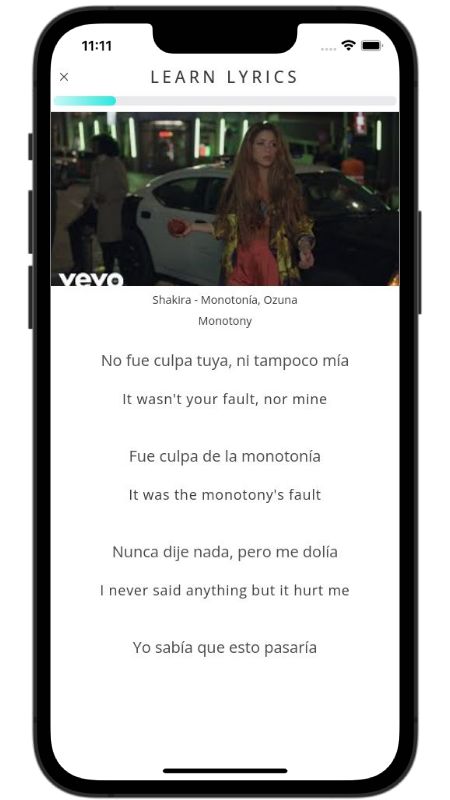
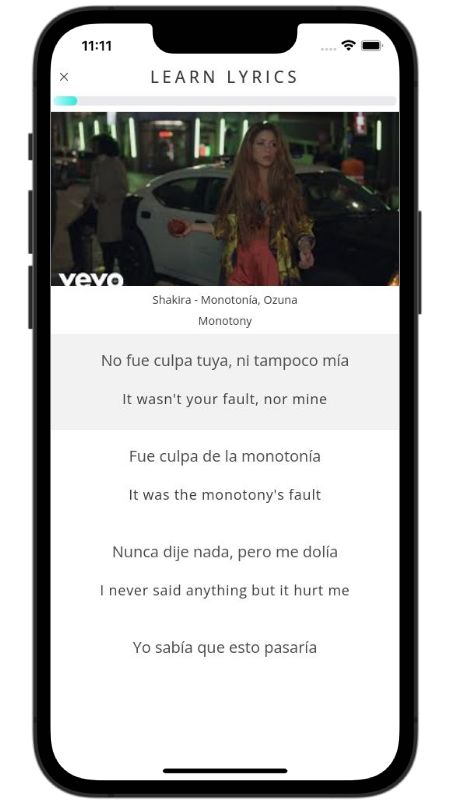
In this powerful breakup anthem, Shakira personifies this feeling by making it the title and central theme. She sings, "No fue culpa tuya, ni tampoco mía / Fue culpa de la monotonía" (It wasn't your fault, nor was it mine / It was monotony's fault), treating it as a silent force that dismantled what was once a great love.
Have you ever felt a relationship just... fade? That's exactly what Shakira is singing about in "Monotonía". At first, she says the breakup isn't anyone's fault, blaming it on the routine: "No fue culpa tuya, ni tampoco mía / Fue culpa de la monotonía" (It wasn't your fault, nor was it mine / It was the monotony's fault). They both got lost in their own worlds, "siempre buscando protagonismo" (always looking for the spotlight), and forgot what they used to be as a couple. It's a sad, slow end where things become "frío como en navidad" (cold like Christmas).
But as the song goes on, she gets more specific and points a finger. She calls him out directly, saying "me dejaste por tu narcisismo" (you left me for your narcissism). She describes putting in all the effort, saying she was "corriendo por alguien que por mí ni estaba caminando" (running for someone who wasn't even walking for me). The best part is her final decision. She declares that it's a "adiós necesario" (a necessary goodbye) because, in the end, "yo te quiero, pero es que yo me quiero más a mí" (I love you, but I love myself more). It's a powerful breakup song about choosing yourself when the love has gone stale.