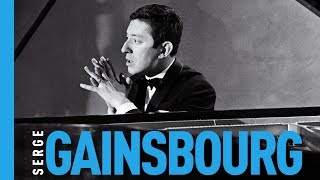
Sorry Angel Lyrics in English by Serge Gainsbourg
Déveine translates to "bad luck" or "misfortune". It's a less common and more evocative word than simply saying "malchance", adding a touch of poetic drama to the lyrics.
In the song, Gainsbourg asks, "Était-ce vertige déveine?" (Was it dizziness, bad luck?). He uses this word to ponder the tragic circumstances surrounding the person's decision, suggesting a sense of fate or an unfortunate turn of events that led to their demise. It's a word that makes you pause and consider the deeper meaning.
"Sorry Angel" is Serge Gainsbourg's deadpan eulogy for a lover he believes he destroyed. Sung mostly in French with an English refrain — "Sorry angel / Sorry so" — the song circles one confession, delivered without any sentimentality: "C'est moi qui t'ai suicidée" [It's me who drove you to suicide]. He works through the guilt in flat, almost clinical lines — "Je n'en valais pas la peine" [I wasn't worth it], "Je n'ai ni remord ni regret" [I have neither remorse nor regret] — and the gap between the words and his cold delivery is the whole point.
By the second verse the loss has become final: "Maintenant tu es avec les anges" [Now you're with the angels], "Pour toujours et à jamais" [Forever and ever]. The song never raises its voice — it just repeats the apology in English until it stops sounding like one, which is very much Gainsbourg's style: turning real damage into something you can hum along to.