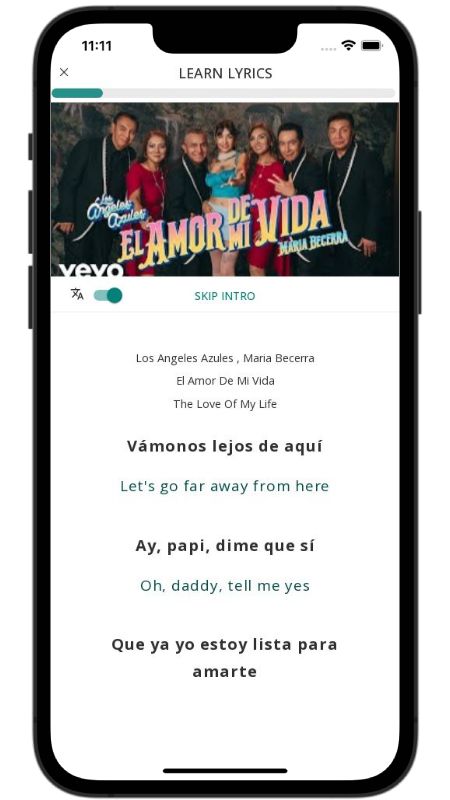
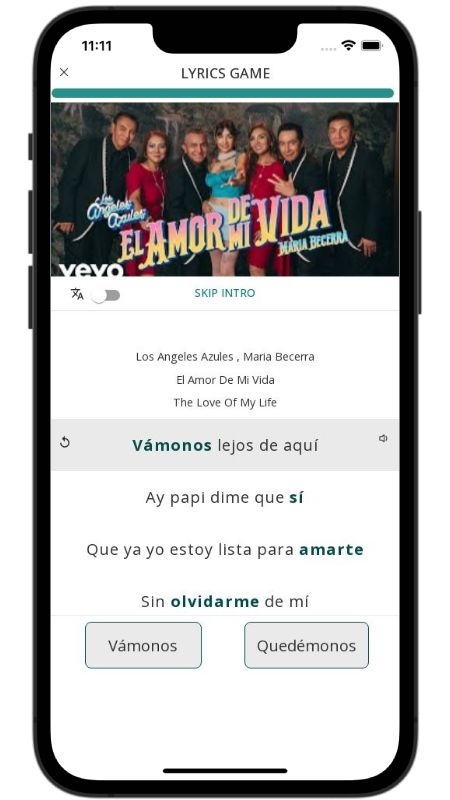
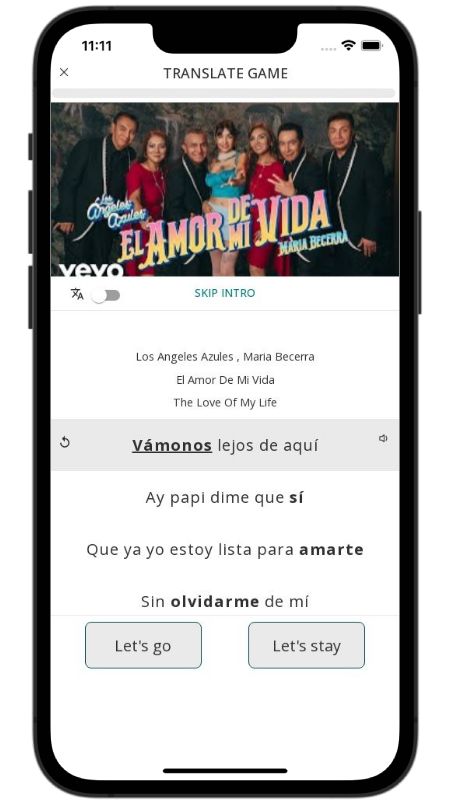
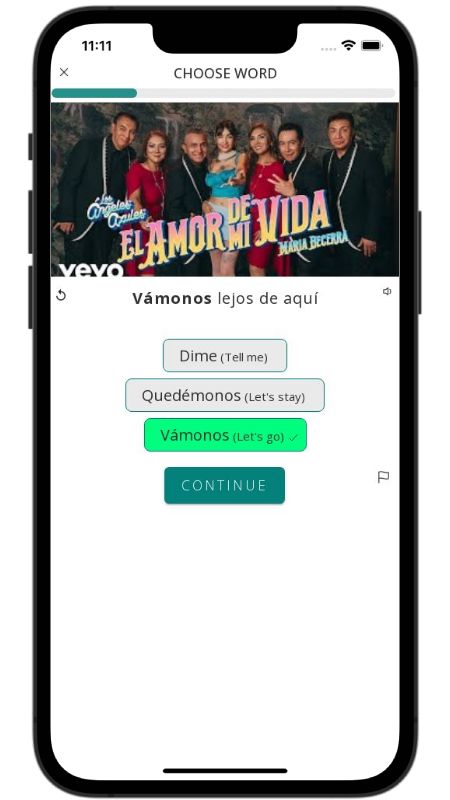
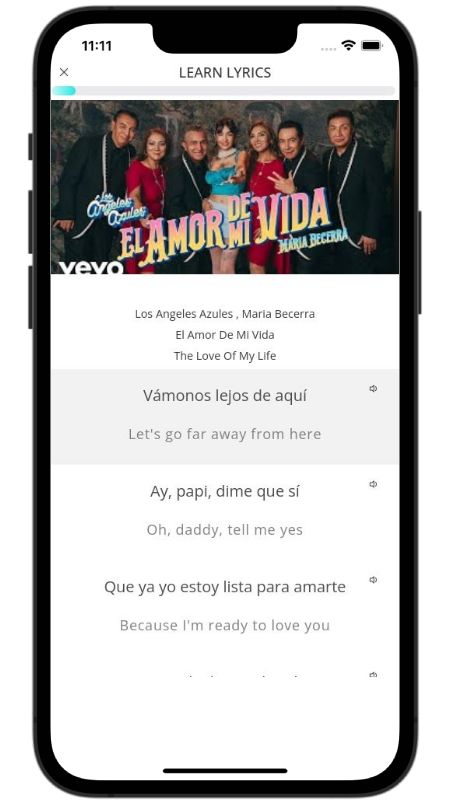
El Amor De Mi Vida Lyrics in English by Los Angeles Azules, Maria Becerra
Abriga comes from the verb abrigar, which means "to shelter" or "to keep warm". It suggests a sense of coziness, comfort, and protection, much like an abrigo (a coat) protects you from the cold.
In the song, the singer describes their lover as the sun "que me abriga en esas noches frías" (that keeps me warm on those cold nights). It's a beautiful, poetic way to say that this person's love provides not just warmth, but also a feeling of safety and comfort.
This song is a huge, joyful declaration of love! Maria Becerra sings about how someone has completely changed her world. She says she was "atrapada en una nube gris" (trapped in a gray cloud) for a long time, but this new person arrived "con más luces que París" (with more lights than Paris). What a great line! He is the sun that warms her up, and she's ready to commit completely, but with one very important condition: she'll do it "sin olvidarme de mí" (without forgetting myself). It's a powerful statement about loving someone deeply while still respecting your own identity.
The chorus has a fantastic play on words. She sings, "Quiero hacerte el amor / Pero el amor de mi vida". The first part means "I want to make love to you," but she adds to it, turning the phrase into something like "I want to make you the love of my life." It's a promise of a deep, lasting connection, not just a fleeting romance. The song is a collaboration between the legendary cumbia group Los Ángeles Azules from Iztapalapa, Mexico, and the Argentinian star Maria Becerra, which they celebrate at the end by shouting out their homes!