Yo Te Recuerdo Lyrics in English by Juan Gabriel, Marc Anthony
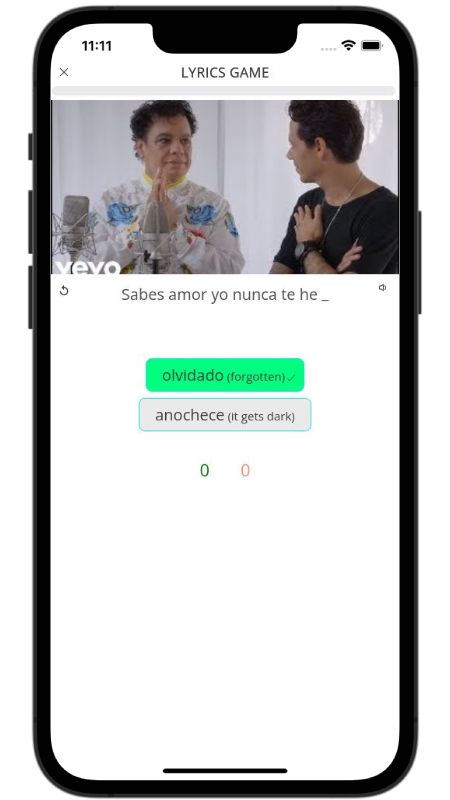
Amanece means 'it dawns'. It's a fascinating verb that captures the entire concept of sunrise in a single word, a common and poetic feature of the Spanish language.
In this classic ballad, Juan Gabriel sings that he remembers his love 'cuando amanece y anochece' (when it dawns and when night falls). This beautifully expresses that his thoughts are with this person from the very beginning to the very end of each day, showing a constant and unending remembrance.
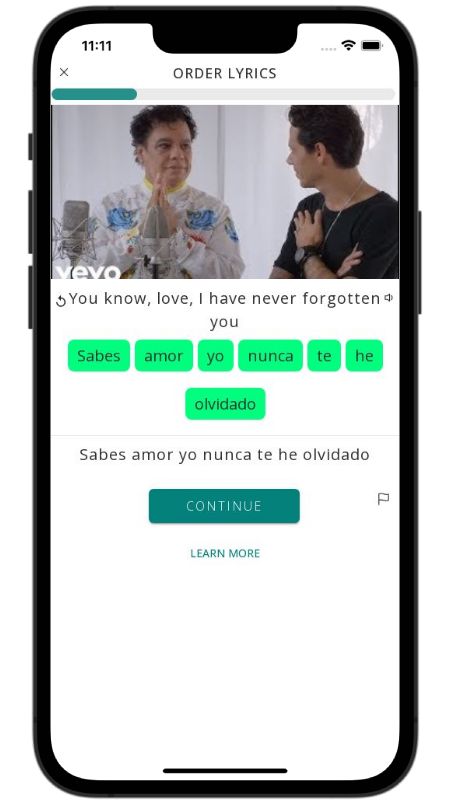
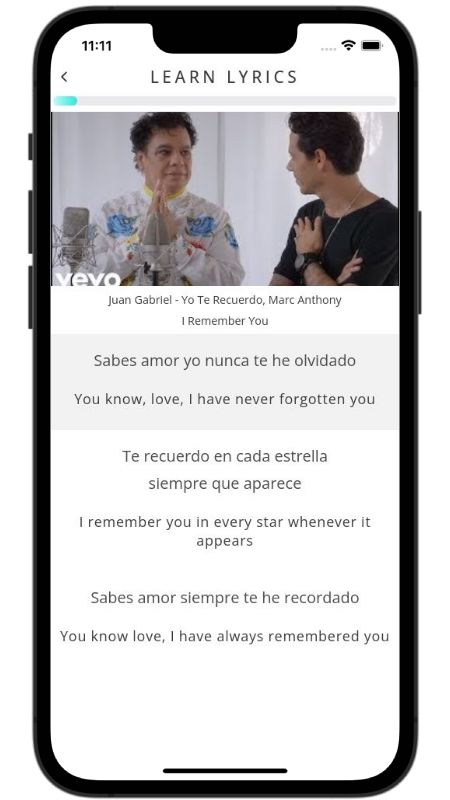
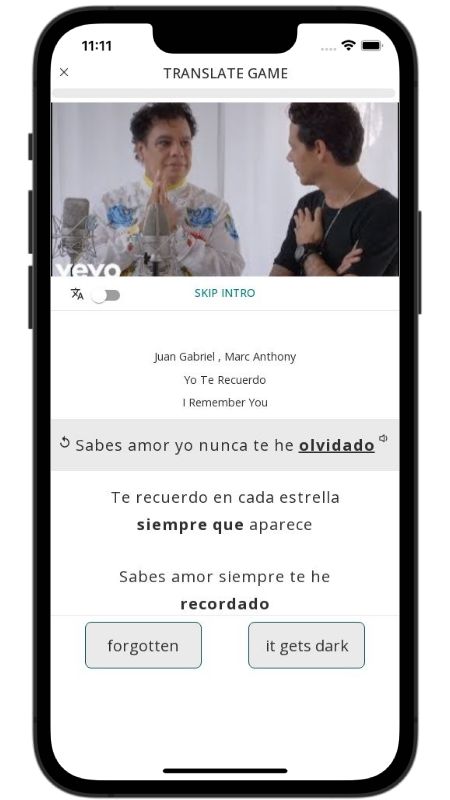
Mexican music legend Juan Gabriel teams up with salsa superstar Marc Anthony for "Yo Te Recuerdo", a gorgeous Latin ballad that turns an obsessive memory into something close to magical realism. The singer insists he has never once forgotten his past love: "Sabes amor yo nunca te he olvidado" ("You know, my love, I have never forgotten you"). Instead of fading away, his partner shows up everywhere in the natural world. He spots them in every star, in every blooming mallow flower offered to a hummingbird ("en cada flor que al colibrí se ofrece"), and tracks their face across opposite weather shifts: when leaves dance in the wind, when the air stays totally still, when the rain pours, and the exact second it stops.
There is a clever Spanish saying tucked right into the middle of the track: "Aunque dicen que recordar es morir un poco así" ("Although they say that remembering is to die a little like that"). That line flips an old proverb on its head. Most people say living in the past hurts, but here, the singer uses daydreams as a lifeline. His imagination is so vivid that when he thinks of hugs and kisses, the grief evaporates completely ("se va mi tristeza"). He even jokes about his own spiraling thoughts, confessing that "de tanto, y tanto pensar / Yo voy a parar en loco sí" ("from so, so much thinking / I am going to end up crazy, yes"). It is big, dramatic, and totally stubborn about keeping love alive in the mind.