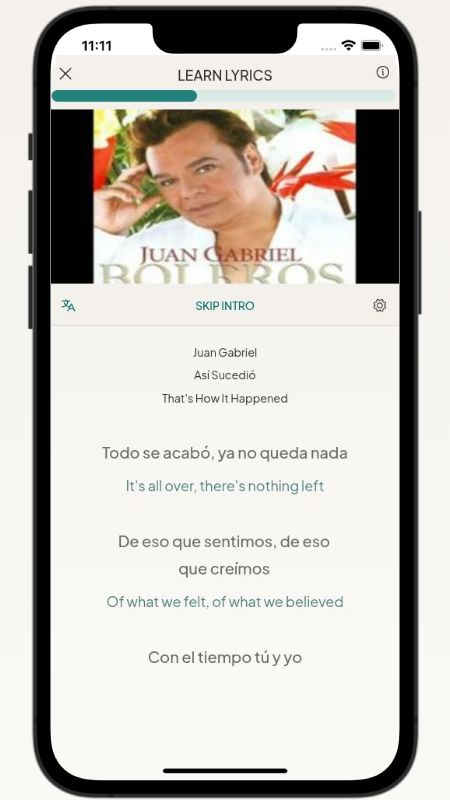
Así Sucedió Lyrics in English by Juan Gabriel
Pesadilla translates directly to "nightmare." It's a vivid and evocative word that immediately conjures strong imagery.
In "Así Sucedió," Juan Gabriel uses this word to describe the end of a relationship, singing, "Al fin despertamos tú y yo de esa pesadilla" (Finally, you and I woke up from that nightmare). This powerful metaphor conveys the pain and relief of moving on from a difficult experience, making it a memorable and impactful word in the song.
This isn't your typical dramatic breakup anthem. Juan Gabriel is looking back at a relationship that started for a very practical reason: "Fue por soledad que nos conocimos" (It was out of loneliness that we met). He's not pretending it was some grand love story. Instead, he says they got together "por curiosidad" (out of curiosity) and that everything just stayed as "conversaciones / Llenas de ilusiones" (conversations / full of illusions).
What's really cool is how the relationship ends. There's no big fight or tearful goodbye. As he puts it, "Ni siquiera adiós, nada nos dijimos" (We didn't even say goodbye, we said nothing). It just happened that way. The final lines are the best part. He calls the whole thing a dream of "tanta maravilla" (so much wonder), but then immediately says they finally woke up from "esa pesadilla" (that nightmare). It's a brilliant, cynical twist on what seemed like a fond memory.