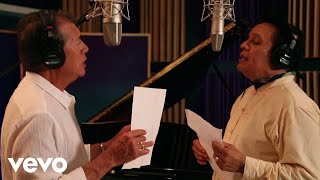
No Tengo Dinero Lyrics in English by Juan Gabriel
Ni modo que hacer is a very common phrase that roughly translates to "there's nothing to be done" or "it is what it is". It’s a colloquial and somewhat fatalistic expression used when you have to accept a situation you cannot change.
In this classic song, Juan Gabriel sings that he is poor and has nothing but love to offer. If his partner can't accept him that way, then ni modo que hacer – there's nothing else he can do. It's a powerful phrase that perfectly captures the song's heartfelt resignation.
Picture this: you are strolling down the street hand in hand with your partner, having a great chat, until they drop the marriage question. In "No Tengo Dinero", Mexican legend Juan Gabriel faces that exact moment with total honesty. His sweetheart asks when they will wed ("me pregunta que hasta cuando nos iremos a casar"), and he delivers bad news: he is broke, so she has to wait ("yo le contesto que soy pobre / Que me tiene que esperar"). He notices her bright smile vanish the second he mentions his empty wallet ("al decirte que soy pobre no vuelves a sonreír"). He wishes he had everything to lay at her feet, but his reality is simple: he was born poor.
Instead of groveling or making false promises, he serves up the catchiest reality check in Latin pop. The chorus is delightfully blunt: "No tengo dinero ni nada que dar / Lo único que tengo es amor para amar" (I have no money nor anything to give / The only thing I have is love to give). He caps it off with the classic Mexican shrug of acceptance: "Pero si no puedes, ni modo que hacer" (But if you can't, oh well, what can you do?). The idiom "ni modo" literally translates toward "no way [out]," but locals use it to mean "it is what it is" or "there's nothing to be done about it." Take his love as it comes, or walk away; he won't lose sleep pretending to be rich.