La Esquina De Rowland Lyrics in English by Hombres G
Derraman comes from the verb derramar, which means to spill or overflow. While it can refer to liquids literally spilling, it's often used metaphorically.
In "La Esquina De Rowland," the lyrics say "Se derraman las calles al anochecer" (The streets overflow at dusk). This creates a vivid image of the streets becoming saturated or overwhelmed, perhaps with people, memories, or even the rain itself, as night falls. It's a more evocative word than just saying the streets are full.
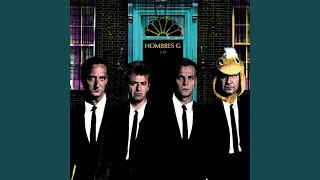
Hombres G brings us a melancholic yet hopeful tune with "La Esquina De Rowland" [Rowland's Corner]. The song sets a scene of persistent rain and darkening streets, creating a somber mood. Our narrator is stuck in a cycle of longing and memory, returning to Rowland's Corner, a place that seems to hold a special significance for him and a past love. He laments, "Cómo cambian las cosas, cómo duele el saber / Que ya no queda nadie, con quien querer beber" [How things change, how it hurts to know / That there's no one left to want to drink with]. It's a feeling many of us can relate to when thinking about old friends or lost connections.
Despite the sadness, there's a glimmer of hope. He believes she still remembers him and is alone. He's convinced that "cuando vuelva a sonreír / Ella vendrá a buscarme aquí / A la esquina de Rowland" [when she smiles again / She will come looking for me here / At Rowland's Corner]. It's a powerful image of waiting, of holding onto the belief that love will find its way back. Even with a "vida ya rota" [life already broken] and "poco que perder" [little to lose], he waits, unable to move from that spot. It's a beautiful, bittersweet story of enduring hope against a backdrop of loneliness.