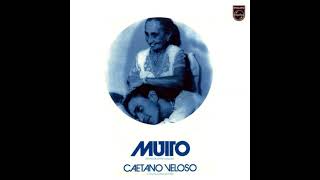
Valsa De Uma Cidade Lyrics in English by Caetano Veloso
Queimar means "to burn" in Portuguese. While seemingly simple, its repetition in the lyrics, "E o sol a queimar, queimar" (And the sun burning, burning), gives it a unique emphasis.
This repetition isn't just about the physical sensation of the sun; it evokes a feeling of intense, almost relentless warmth and energy that permeates the city. It's a vivid image that captures the vibrant, sun-drenched atmosphere of Rio de Janeiro, making it an interesting and memorable word choice.
Caetano Veloso sets this waltz on a stretch of sidewalk in Rio de Janeiro: sea wind on his face, the sun burning down. "Vento do mar no meu rosto / E o sol a queimar, queimar" ("Sea wind in my face / And the sun burns, burns"). He watches the crowd pass and admits a plain loyalty to the place: "Gosto de quem gosta / Desse céu, desse mar, dessa gente feliz" ("I like whoever likes / Of this sky, this sea, these happy people").
The poem of love he wanted to write turns out to be about someone else's happiness. He writes it and finds someone happier than him inside it, then says why: "O meu amor / Que não me quis" ("My love / Who didn't want me"). The waltz loops through the same verses three times, the city's warmth circling an answer that never comes.