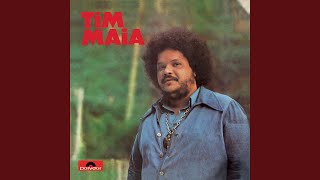
Idade Lyrics in English by Tim Maia
Tarda comes from the verb tardar, which means 'to delay' or 'to take time'. While it's a common verb, its use here is particularly poignant and thought-provoking.
In the context of the song, Tim Maia sings, "A idade / Tarda um pouco / Mas se chega é pra valer" (Age / It delays a little / But when it arrives, it's for real). He personifies age, suggesting it might take its time, but its arrival is significant and impactful. This makes tarda an interesting choice, hinting at the deeper reflections on life and time within the song.
"Idade" is Tim Maia turning one word over and over until it opens up. The word is simple: age. But the way he repeats it, half chant and half meditation, treats it as a mystery he cannot quite settle.
He starts by circling the idea: "I believe it's age." Not certainty, just a guess he keeps offering himself, as if he is trying the word on to see if it explains what he feels.
Then the song gets specific: age takes its time, but when it finally shows up, it means it. He needs to know, urgently, at this stage of his life, how much more he still has to suffer through before that arrival.
By the end the lyrics thin out into almost pure sound, "age" and "life" traded back and forth like a plea. It reads less like a statement about growing older and more like someone sitting with that feeling in real time, repeating the word until it starts to feel true.