Come Vorrei Lyrics in English by Ricchi e Poveri
Impronta literally means "imprint" or "trace," like a footprint in the sand. It's a word that suggests a mark left behind.
In this classic Italian ballad, the singer describes the pain of seeing "la tua impronta sul cuscino" (your imprint on the pillow). This poetic line uses a physical image to represent the powerful, lingering memory of a lost love, making their absence feel even more real and heartbreaking.
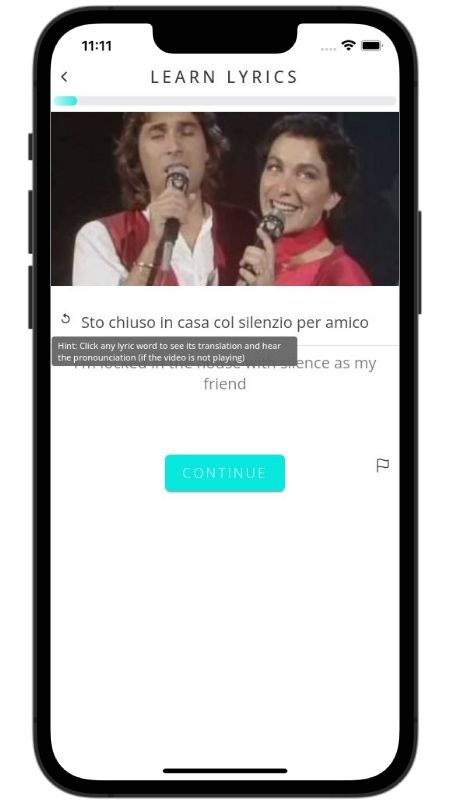
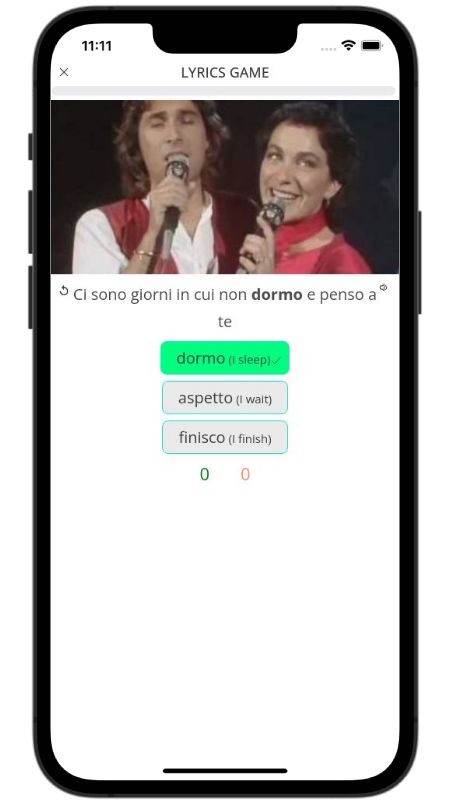
Picture this: you are stuck indoors by the fireplace while snow piles up outside, unable to sleep, with only quiet for company. That is the exact mood Ricchi e Poveri bring to life in "Come Vorrei" (How I Wish). The singer admits to being trapped inside with silence as their only companion: "Sto chiuso in casa col silenzio per amico" (I stay locked at home with silence as a friend). Just a year ago, everything felt magical, but now winter feels wrong and cold because the relationship is slipping away. The main wish throughout the chorus is simple and selfish in the way love often is: "Come vorrei che tu mi amassi a modo mio" (How I wish you loved me my way).
The lyrics mix genuine sadness with a bit of dramatic honesty. The narrator knows they should let go when their partner pulls away, but they cannot stop the jealousy: "Dovrei capirti quando vedo che vai via / E non amarti quando non vuoi farti amare" (I should understand you when I see you leaving / And not love you when you do not want to be loved). Instead of moving on, they watch their love melt away like snow in the sun ("come fa la neve al sole"). In a wonderfully dramatic line near the end, they even try bargaining with the night sky: "Anche alla luna gliel'ho chiesto e non ci sta" (I even asked the moon, and she's not having it). The Italian phrase non ci sta is great everyday slang meaning someone refuses to play along or agree. If even the moon will not help keep you company, you know you are truly on your own.