Rettest Du Mich Lyrics in English by Mark Forster
Zerleg comes from the verb 'zerlegen', meaning 'to take apart' or 'dismantle', like you would a machine. It's a very striking and unusual word to find in a song.
Mark Forster sings, "Nicht geil, wenn ich mein'n Kopf zerleg" (It's not cool when I take my head apart). He uses this powerful metaphor to describe the feeling of overthinking to the point of mental exhaustion or self-destruction. This raw and vivid imagery makes it an incredibly memorable word for expressing internal turmoil.
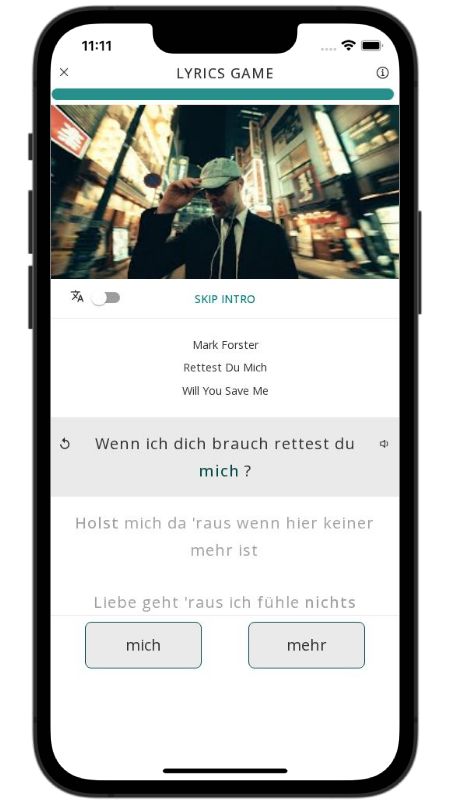
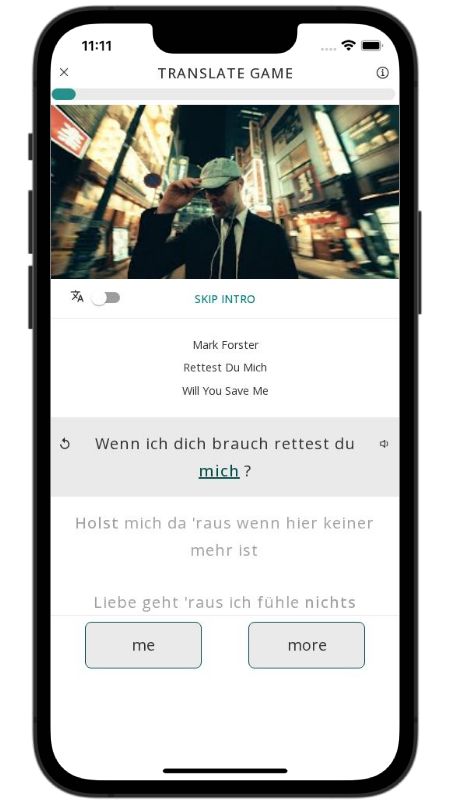
This song asks a really direct question: "Wenn ich dich brauch, rettest du mich?" (When I need you, will you save me?). Mark Forster sings about feeling lost and alone, and he's asking someone if they will be his lifeline. He needs to know if they will be the one to "Holst mich da 'raus, wenn hier keiner mehr ist" (Get me out of here when no one else is here). It's a heavy feeling, especially when he admits, "Liebe geht 'raus, ich fühle nichts" (Love goes out, I feel nothing). He's in a dark place and needs to know if he can count on this person to pull him through.
The verses are full of interesting details about his state of mind. He even drops a reference to a famous TV character, asking, "Was los, Ted Lasso? / Was, wenn das Lachen mal vergeht?" (What's up, Ted Lasso? / What if the laughter fades away?). It's a clever way to talk about the pressure to be positive when you don't feel it. He knows he's heading for trouble, comparing it to a car crash where "Nach dem Crash ist es zu spät" (After the crash it's too late). He's aware of his own self-destructive thoughts but says, "Ich bin nicht Picasso" (I'm not Picasso), meaning there's nothing artistic or cool about taking his own head apart. Through all this, he keeps coming back to that one person, asking if they'll stick by him even when he makes mistakes.