Si Te Vas Lyrics in English by La K'onga, Luciano Pereyra
Extranjero means "foreigner" or "stranger". While it's a common word, its use in this song is what makes it so emotionally powerful.
In this heart-wrenching ballad, the singer fears that if his partner leaves, he'll become a stranger in his own home. The line "Seré en la casa sólo un extranjero" (I will be just a stranger in the house) creates a vivid and lonely image, perfectly capturing the feeling of losing your sense of belonging along with the person you love.
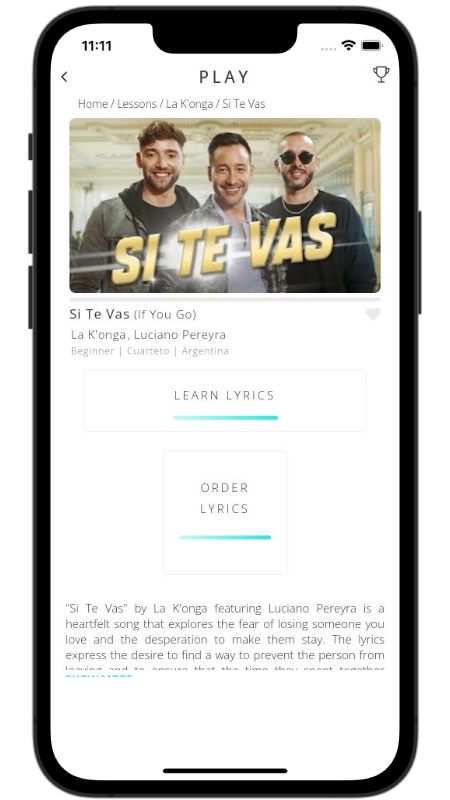
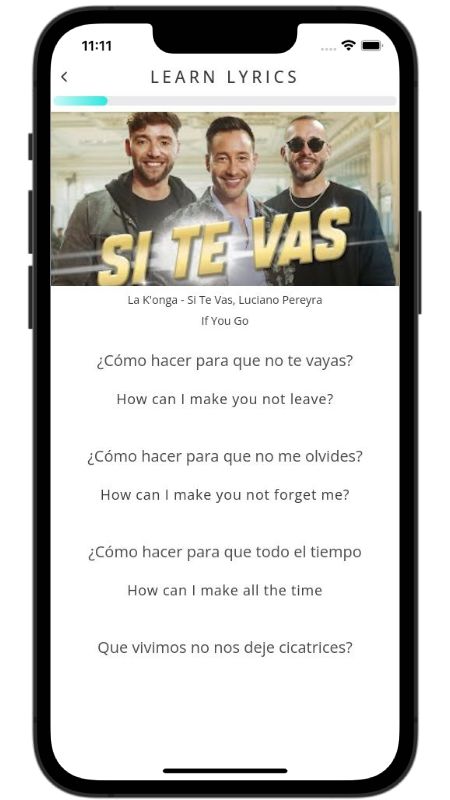
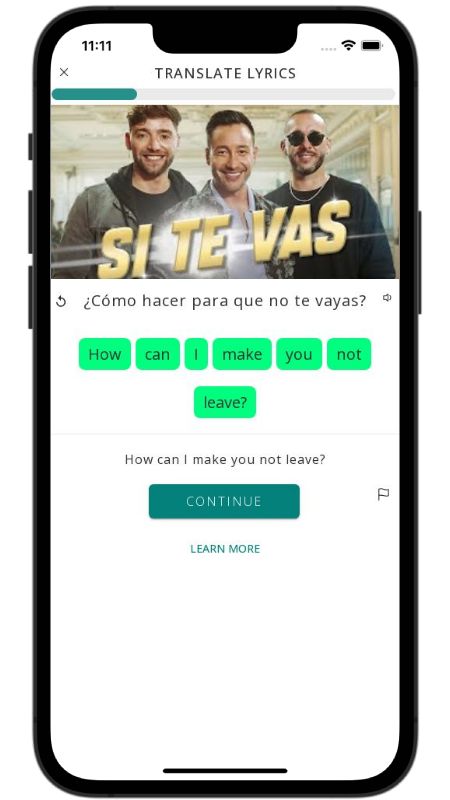
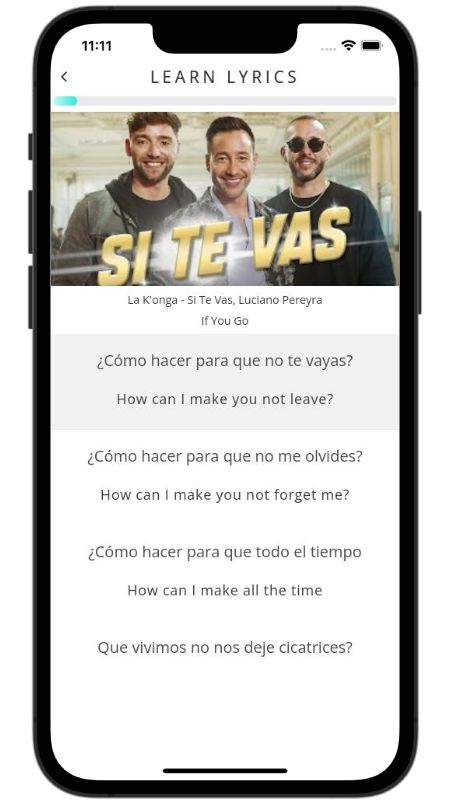
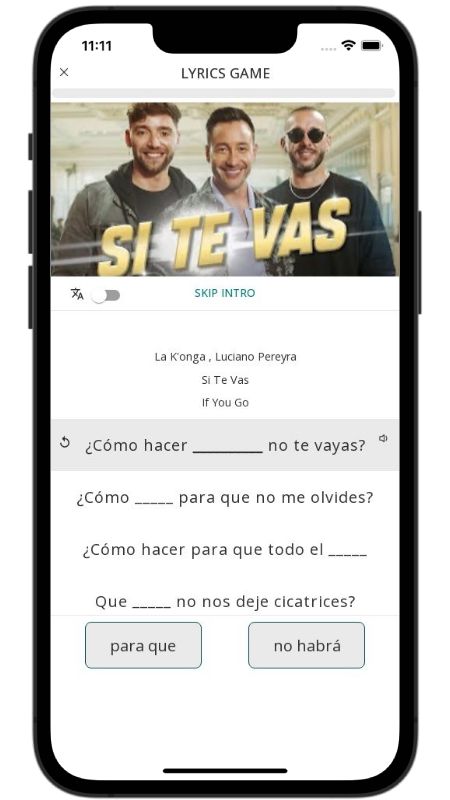
Get ready to dance through the heartbreak! In "Si Te Vas", Argentine cuarteto group La K'onga joins forces with Luciano Pereyra to plead with a partner who has one foot out the door. The narrator is desperate, asking questions like "¿Cómo hacer para que te detengas? / Y no quieras ya cruzar la puerta" ("How do I make you stop? / And not want to walk out the door anymore?"). He admits he messed up by trying too hard to be flawless ("Sé que tengo tantos defectos / Queriendo hacer todo perfecto" - "I know I have so many flaws / Wanting to make everything perfect"), and now begs to wipe the slate clean so they can start over.
The drama hits its peak in the chorus. Without this love, he claims he will feel like an outsider in his own home ("Seré en la casa sólo un extranjero" - "I will be just a stranger in the house") and that Valentine's Day is officially cancelled forever ("Ya no habrá catorces de febrero" - "There will be no more 14ths of February"). He even throws in quirky comparisons, imagining life without them as "un tren sin estación" ("a train without a station") or "una luna sin balcón" ("a moon without a balcony"). Even the dresser drawers feel terrifyingly empty without their clothes ("No imagino nuestro cuarto / Sin tu ropa en el cajón"). It is dramatic, catchy, and impossible to listen to without moving your feet.