Pienso En Ella Lyrics in English by Grupo Frontera, Gabito Ballesteros
Pesadilla translates to "nightmare". It's a powerful and evocative word that instantly communicates a sense of dread and suffering.
In the song, the singer cries out, "De esta pesadilla que alguien me levante" (Someone wake me up from this nightmare). He uses this word to metaphorically describe the unbearable pain of his breakup, portraying his life without his love as a terrible dream he's trapped in. It's a dramatic and highly emotional word that perfectly captures his desperation.
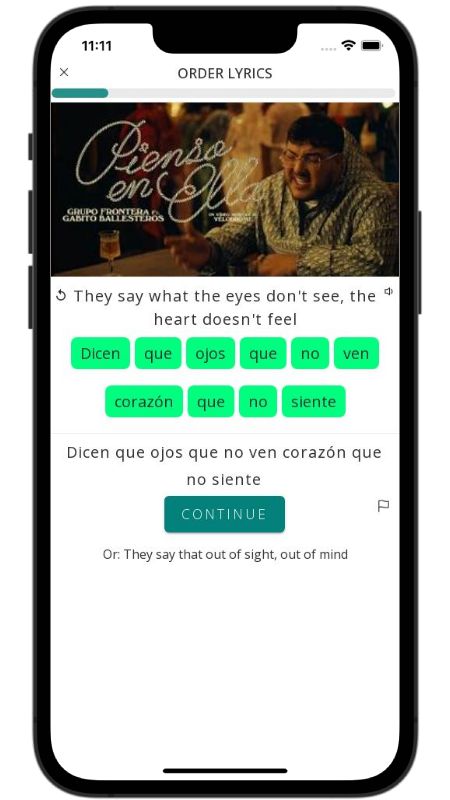
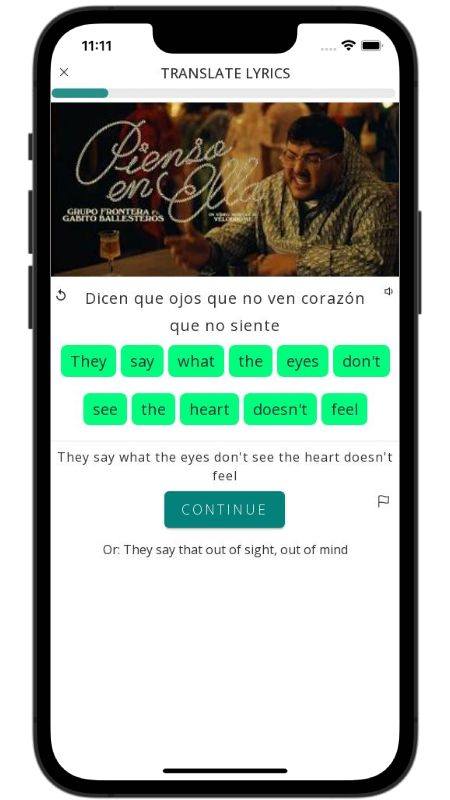
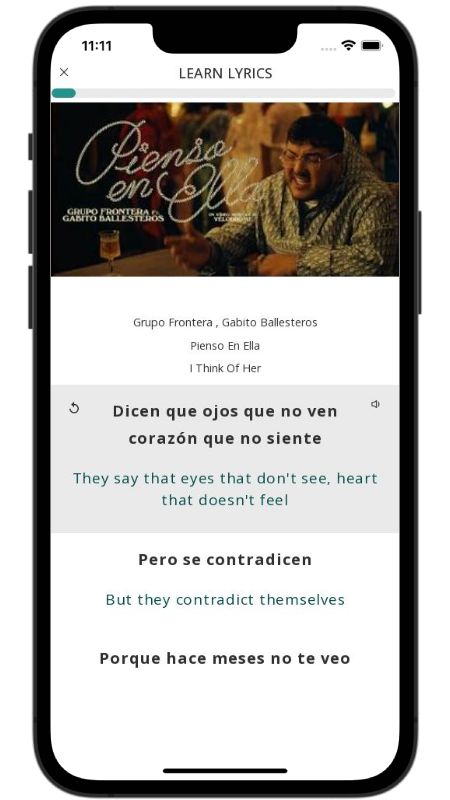
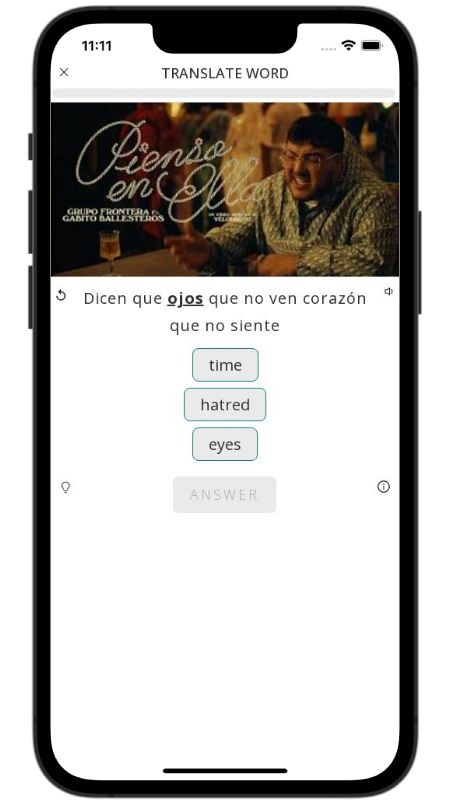
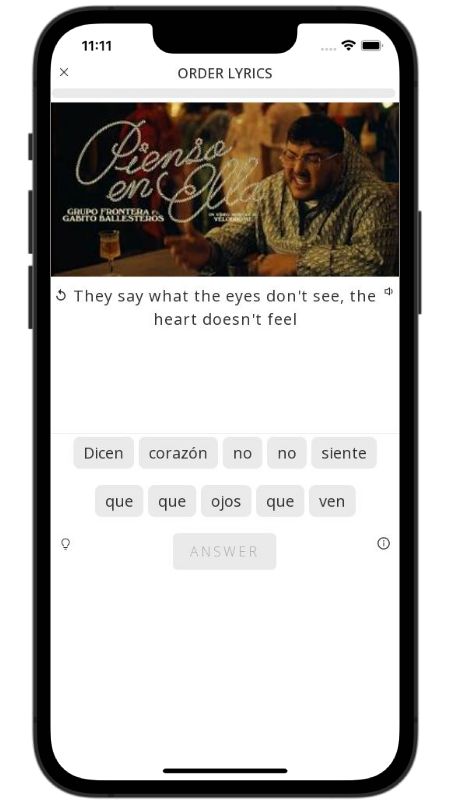
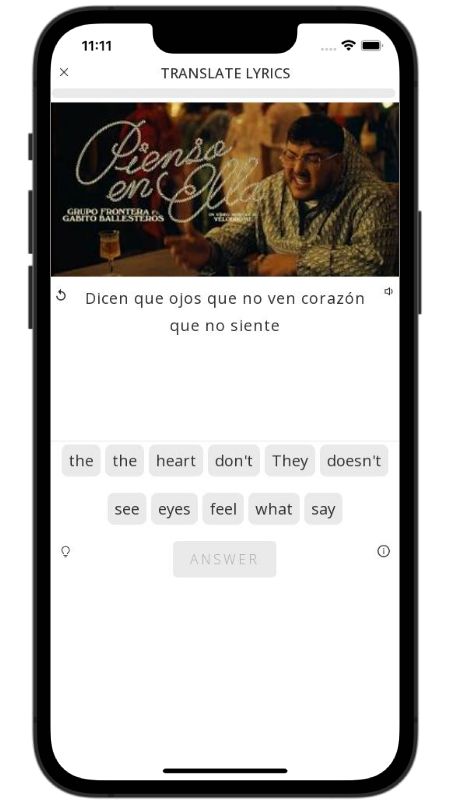
Ever had your friends drag you out to cheer you up after a brutal breakup, only for it to backfire completely? That is the whole mood of "Pienso En Ella" by Grupo Frontera and Gabito Ballesteros. The singer dismantles the old Spanish proverb "ojos que no ven, corazón que no siente" ("out of sight, out of mind", literally "eyes that don't see, heart that doesn't feel"). Months have passed without seeing her, but she is still stuck in his head. His buddies tell him that time heals everything, but he bluntly fires back: "Ese cabrón no cura nada" ("that bastard doesn't cure anything"). Going out, having drinks, or smoking only makes it worse because he ends up seeing her face at the bottom of his glass ("al fondo de la botella").
Things get even more bitter when Gabito jumps in. He notices she changed her phone number and found a new partner, leaving him stuck with only sad songs on repeat ("sólo hay canciones tristes en mi repertorio"). The hardest pill to swallow is the thought that the love of his life now hates him. He begs his friends to stop setting him up with other beautiful women ("no me presenten mujeres aunque sean bellas") because none of them are her. It is an honest, stubborn look at post-breakup misery where the only thing that could actually fix his mood is getting his ex back.