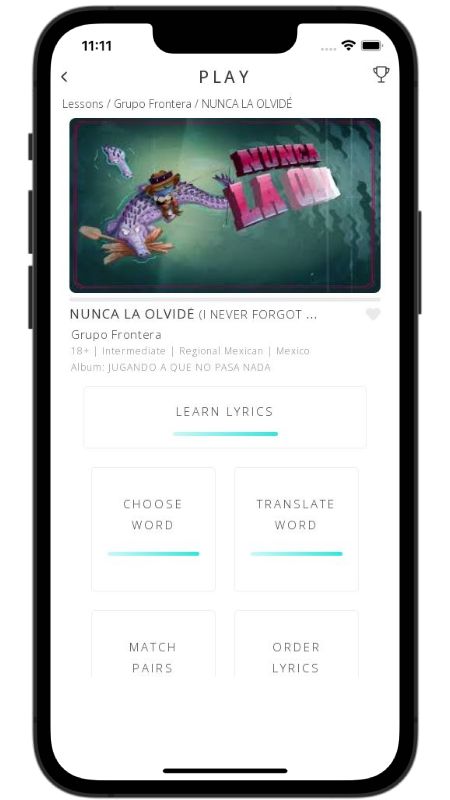
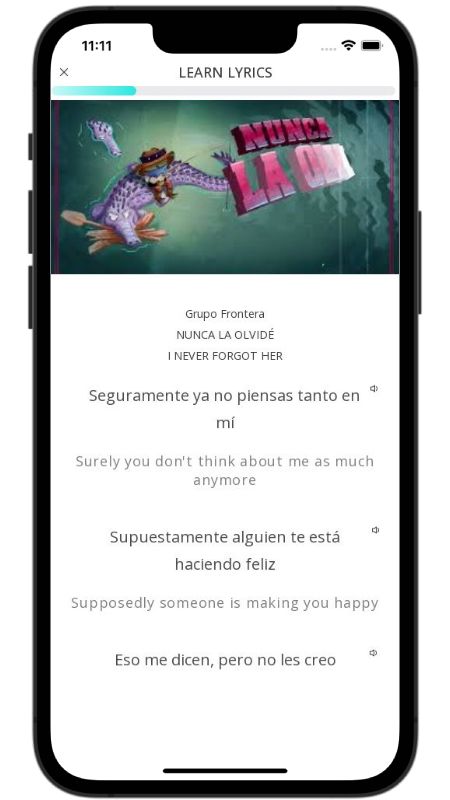
NUNCA LA OLVIDÉ Lyrics in English by Grupo Frontera
Comía is the imperfect past tense of the verb comer, which literally means "to eat". However, in the context of this song, "Al mismo cuarto que te comía" (To the same room where I devoured you) carries a much deeper, passionate, and intimate meaning.
It suggests consuming someone with kisses, affection, or intense desire, rather than literal eating. This metaphorical use of a common verb makes it intriguing and highlights how Spanish can express profound emotion with everyday words, enticing learners to discover its nuances.
Grupo Frontera leans straight into stubborn denial with "NUNCA LA OLVIDÉ", and it feels like sitting across from a friend who swears his ex is faking her happiness. People tell the narrator she moved on, but he shrugs it off with "los ojos no saben mentir" ("eyes don't know how to lie"). When he looks at her social media feed, he doubles down: "No te creo la sonrisa en esas fotos" ("I don't believe your smile in those photos"). Instead of moving forward, he is busy comparing notes on their old bedroom, wishing away a hundred nights with strangers just to get a single evening back with her.
What makes this track stand out is how the lyrics balance deep longing with sharp slang and polite distance. Notice how he switches to the formal "usted" when singing "la vida iba a ser sin usted" ("life was going to be without you"). In Latin American Spanish, using usted with an ex can show deep respect, but it can also add a stinging layer of emotional distance. Later, he drops the formalities entirely and uses Caribbean-influenced slang: "De ti me conozco to', to', to'" ("I know every, every, everything about you"), swallowing the end of todo. He bluntly admits that finding someone new is a losing battle: "esa guerra no funciona" ("that war doesn't work"). It is an honest look at someone trying to accept reality while secretly waiting by the door.