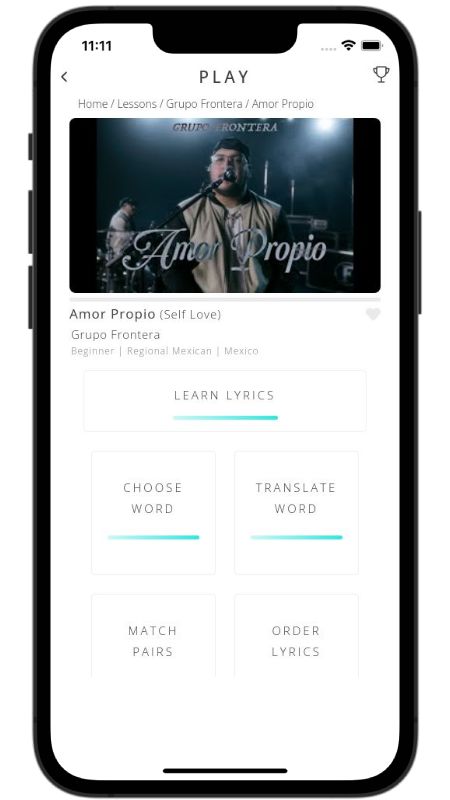
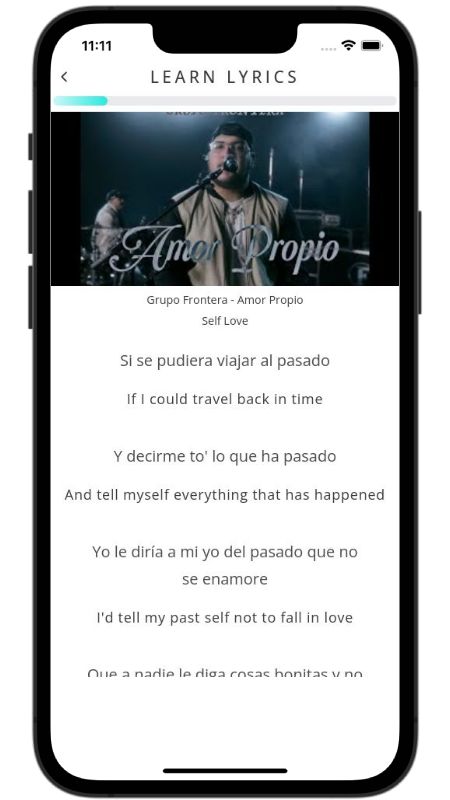
Amor Propio Lyrics in English by Grupo Frontera
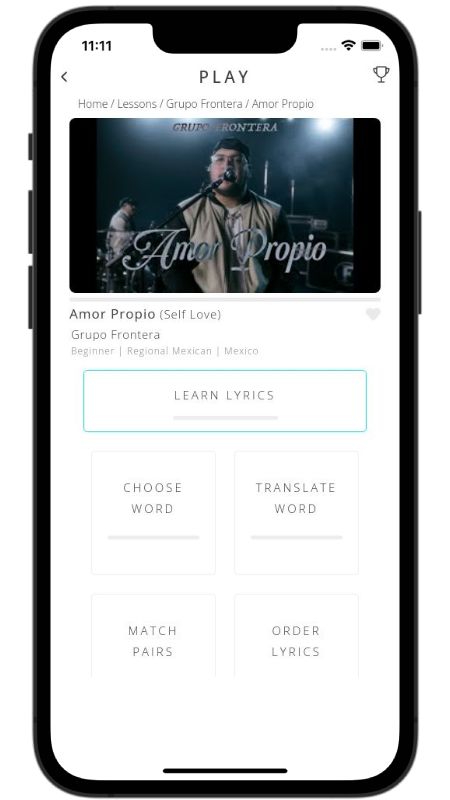
Amor propio translates to "self-love" or "self-respect". It's a powerful phrase that represents the core message of this emotional song.
After singing about the pain of a breakup and begging for his ex's affection, the singer has a profound realization. He concludes that the real problem isn't the lack of her love, but his own lack of amor propio. This turning point makes it a very memorable and valuable phrase to learn.
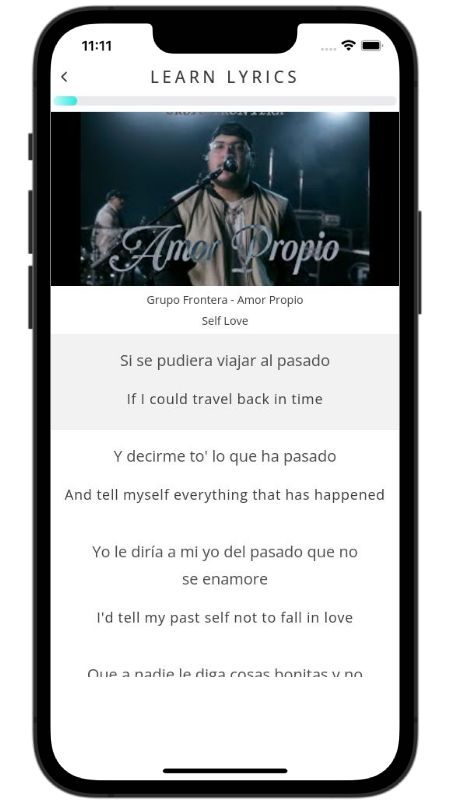
Have you ever wanted a time machine just to shake your past self by the shoulders? That is exactly how Grupo Frontera kicks off this Regional Mexican track. The singer wishes he could travel back and warn himself: "que no se enamore" (don't fall in love) and "no mande flores" (don't send flowers). He points out that "no hay doctores / Pa' este mal de amores" (there are no doctors for lovesickness), where "mal de amores" is the classic Spanish idiom for heartbreak. He believed promises of "forever," only to be left holding the bag while watching his ex kiss someone else in public.
The real punch arrives when he admits his biggest mistake wasn't trusting her; it was humiliating himself. He sings about "mendigándote amor" (begging you for love) while staying loyal, only to realize the bitter truth: "No es que me falte tu amor / Es que me falta amor propio" (It's not that I lack your love; it's that I lack self-respect). He doesn't even hate her for moving on. Instead, he turns the mirror on himself, realizing that chasing someone who moved on was proof he forgot to value his own dignity.