Lamento Boliviano Lyrics in English by Enanitos Verdes
Lamento translates to "lament" or "complaint". It's a poetic word used to express a deep and profound sorrow, which is much more evocative than just simple sadness.
In this classic rock anthem, the singer compares his feeling of desolation to a "Lamento Boliviano" (Bolivian Lament), an unending sorrow that is quiet but powerful. This central metaphor gives the song its iconic and mysterious title, inviting you to discover the story behind the feeling.
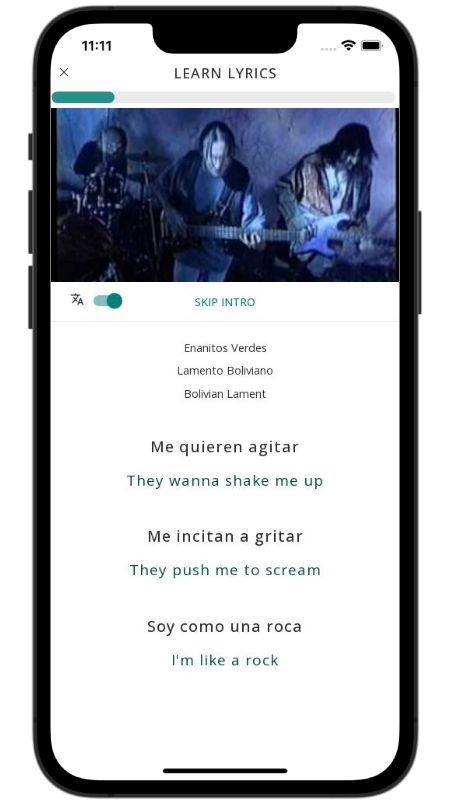
From Argentine rock band Enanitos Verdes, this track kicks off with someone trying to keep cool while everything around them is pushing their buttons. The singer claims he is unaffected, insisting, "Soy como una roca / Palabras no me tocan" ("I am like a rock / Words don't touch me"). But that tough exterior is a total bluff. Two seconds later, he admits there is a volcano inside ready to explode ("Adentro hay un volcán / Que pronto va a estallar"), and he compares his lonely mood to an endless, harmless wail: "Soy como un lamento / Lamento boliviano / Que un día empezó / Y no va a terminar" ("I am like a lament / Bolivian lament / That began one day / And will not end"). It is messy, honest, and completely contradictory.
Then comes the chorus everyone ends up shouting at parties: "Y yo estoy aquí / Borracho y loco" ("And I am here / Drunk and crazy"). Even while calling his own heart a fool ("mi corazón idiota"), he swears he will shine and love this girl forever. Right after that heavy pledge, he drops one of the weirdest warnings in Latin rock: "Nena, no te peines en la cama / Que los viajantes se van a atrasar" ("Baby, don't brush your hair in bed / Because the travelers will be delayed"). It comes straight from an old Hispanic superstition that says combing your hair in bed brings bad luck or slows down journeys. Mixing drunken devotion with folk omens makes it strange and hilarious, which is exactly why it sticks in your head.