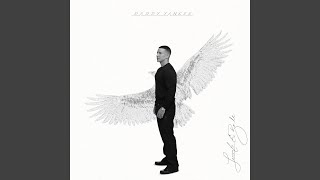
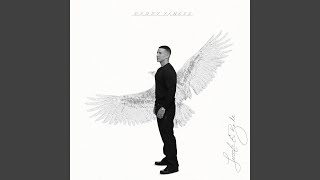
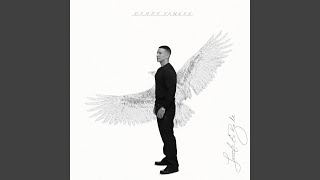
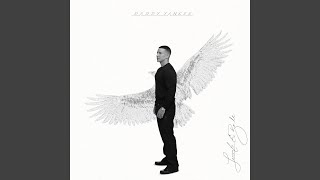
JEZABEL Y JUDAS Lyrics in English by Daddy Yankee
Remordimiento translates to "remorse" or "regret". It's a strong, evocative word that describes a deep feeling of guilt or regret for a past wrong.
In "JEZABEL Y JUDAS", the lyrics state, "Dos sombras caminan sin mostrar remordimiento" (Two shadows walk without showing remorse). This immediately sets a dark tone, highlighting the cold, unfeeling nature of the characters Jezabel and Judas, who are infamous for their betrayals. The word is central to understanding their villainous portrayal in the song.
"Jezebel and Judas" makes two Bible villains stand in for the people who smile at you while working against you. Jezebel is the seductress who "qué bien hace el papel de víctima" [plays the victim so well], Judas the friend who takes what you give him and sells you out anyway. Daddy Yankee opens on a "Noche sin luna, truenos en el templo" [moonless night, thunder in the temple] and calls the pair "dos caras de la condena" [two faces of damnation] before the hook spells out exactly how they operate: "sin duda, haciéndote el mal te ayudan" [no doubt, they help you by doing you wrong].
He isn't rattled by them, though. Over the beat he answers every dig with a shrug: "me desean el mal y to' me sale bien" [they wish me harm and everything still turns out fine for me], "si me tiran, si me tiran pa'l suelo, yo me levanto con vuelo" [if they throw me, if they throw me to the floor, I rise with flight]. The song closes by handing both villains their actual Bible endings: "se las comen viva' los perros" [the dogs eat them alive] for Jezebel, "los Judas se ahorcan solos" [the Judases hang themselves] for Judas. It plays less like a warning and more like a verdict already decided.