Sal Grosso Lyrics in English by Anitta, KBrum
Patuá refers to an amulet or charm, often associated with Afro-Brazilian religions like Candomblé and Umbanda. It's a protective object believed to ward off evil or bring good luck.
In the song, Anitta sings, "Olho grande, mau-olhado / Parou no meu patuá" (Evil eye, bad vibes / Stopped at my patuá). This word is interesting because it highlights the cultural and spiritual elements present in the lyrics, offering a glimpse into Brazilian traditions and beliefs beyond everyday vocabulary.
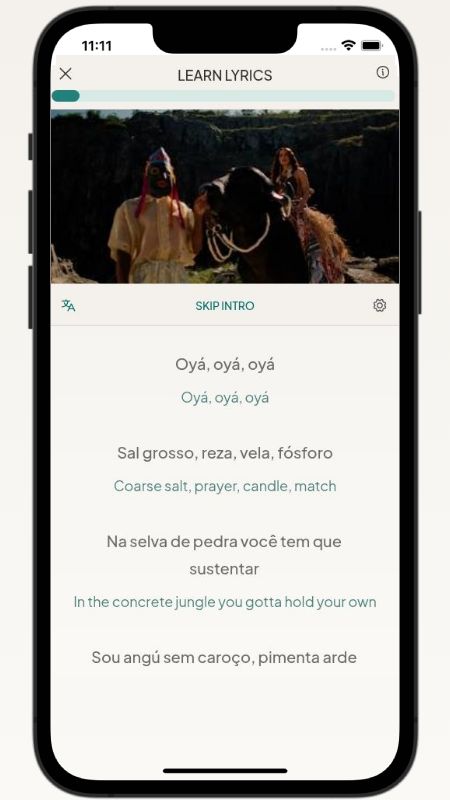
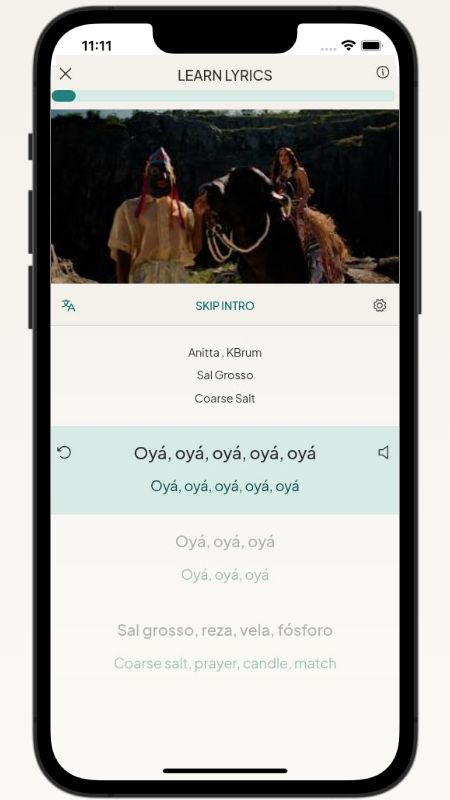
Get ready to dive into the spiritual and cultural heart of Rio de Janeiro with Anitta's "Sal Grosso"! The title itself, meaning coarse salt, is your first clue. In Brazil, coarse salt is used in rituals to cleanse negative energy and protect against evil eyes. The song is a powerful celebration of this spiritual protection, blending references to Afro-Brazilian faith with the realities of life in the selva de pedra, or "concrete jungle."
Anitta paints a vivid picture of her world, specifically the neighborhood of Madureira. She mentions items for protection like reza (prayer) and vela (candles), and warns everyone to come with respect and without crocodilagem (trickery). She describes herself as a mix of smooth and spicy (angú sem caroço, pimenta arde forte), showing she's both easygoing and a force to be reckoned with. It's a tribute to staying grounded (pezinho no chão), having street smarts (malandragem), and relying on faith and culture to thrive.