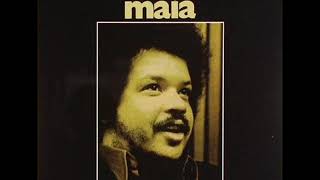
Salve Nossa Senhora Lyrics in English by Tim Maia
Bomfim literally translates to "Good End" or "Good Finish." While it might seem simple, in the context of this song and Brazilian culture, it refers to "Nosso Senhor do Bomfim" (Our Lord of Bonfim), a highly revered religious figure in Salvador, Bahia.
Tim Maia invokes this specific saint, indicating a deep cultural and spiritual plea. The word is interesting because it's a proper noun with a significant religious and regional meaning, making it unique to the song's cultural background rather than a common everyday word.
Tim Maia's tribute to Salvador's most famous religious walk, the Bonfim pilgrimage. The refrain repeats two lines of praise, "Salve Nossa Senhora" ("Hail Our Lady") and "Salve o Nosso Senhor do Bomfim" ("Hail Our Lord of Bonfim") — the two figures pilgrims honor together at the hilltop church in Bahia.
The verses turn it into a personal thank-you: "Atendeu minha promessa" ("You answered my promise") and "E trouxe Rosinha pra mim" ("And brought Rosinha to me") describe a promessa, a vow made to a saint and paid once the wish comes true, exactly what pilgrims still do at Bonfim. "Os anjos dizem amém" ("The angels say amen") and "Eu canto e rezo também" ("And I sing and pray too") turn the song itself into part of the ritual. "É procissão, romaria" ("It's a procession, a pilgrimage") and "É sol no céu da Bahia, ei" ("There's sun in Bahia's sky, hey") place the scene on the real yearly walk to the church, and the song ends the way the procession does, dissolving into a chanted "Salve, salve" ("Hail, hail").