É Por Você Que Vivo Lyrics in English by Tim Maia
Permanecerá means "will remain" or "will stay". It's a beautiful and slightly more formal verb than simply "ficar" (to stay), adding a touch of poetic elegance to the lyrics.
In the song, Tim Maia uses it to describe how things will remain sad or incomplete without his loved one. He sings, "Tire uma estrela do céu, e ele permanecerá triste" (Take a star from the sky, and it will remain sad), emphasizing the lasting impact of absence.
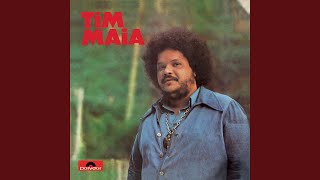
Tim Maia recorded "É Por Você Que Vivo" in 1971, and it opens mid-argument, trying to call a truce: "Não, não vamos mais brigar" ("No, let's not fight anymore"). He asks to see the damage for himself — "Pouse os seus olhos nos meus / E veja como estão tristes" ("Rest your eyes on mine / And see how sad they are").
The middle of the song runs on small, matched images: a star pulled down from the sky, a flower picked from the garden, a heart sent away from his own — each one turns sad or breaks the moment it's separated from where it belongs. That builds toward the hook, which closes the song sung seven times in a row: "É por você que eu vivo" ("It's for you that I live").