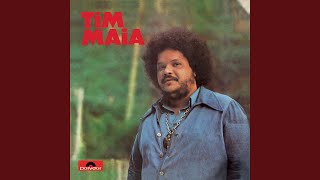
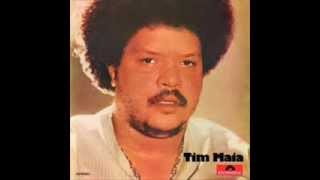
Coroné Antonio Bento Lyrics in English by Tim Maia
Coroné is a colloquial, shortened form of "Coronel," which means "Colonel" in Portuguese. It's a title of military rank, but in this song, it refers to a respected, perhaps even powerful, figure in a rural community.
This word immediately sets a unique tone for the song, hinting at a story involving a prominent character and a specific cultural context. It's not an everyday word, making it intriguing for learners.
This one's basically a wedding story set to a party beat. Colonel Antonio Bento won't settle for some local accordion player at his daughter Juliana's wedding, so he goes all the way to Rio de Janeiro and books Bené Nunes instead: "Convidou Bené Nunes pra tocar" ("He invited Bené Nunes to play"). Once Bené shows up, the whole town loses it. "Todo mundo que mora por ali / Neste dia não pode arresisti" ("Everybody who lives around there / on this day couldn't resist") — even the groom himself, Zé Macaxera, "Dançou a noite inteira sem parar" ("danced the whole night without stopping").
Tim Maia cut this in 1970, before he became the funk and soul singer people know him as now, and you can hear it: it's straight-up baião, built on a call-and-response chorus that keeps repeating "Faltou pouco pra virar" ("it almost turned into chaos") like nobody in the room wants the night to end.