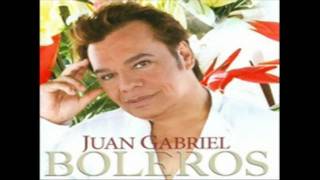
Verás Lyrics in English by Juan Gabriel, José María Napoleón
Anidándole comes from the verb "anidar," which literally means "to nest" or "to build a nest." It is a beautiful, poetic verb form rarely heard outside of lyrics, since everyday Spanish would simply say someone kept thinking about a person.
In this song, Juan Gabriel uses it metaphorically: "fui anidándole en mi mente" (I kept nesting in my mind), picturing a thought that settles in and grows, the way a bird builds a home it cannot easily leave.
Juan Gabriel, the legendary Mexican artist, teams up with José María Napoleón for "Verás," a song that's all about getting over a breakup with a healthy dose of self-respect and a little bit of sass. The song starts with the narrator feeling pretty down, admitting, "Probablemente no se acuerde de mi nombre" [She probably doesn't remember my name] and realizing that she never truly loved him. He's struggling to forget her, even though she probably doesn't care if he's hurting.
But then, José María Napoleón steps in with some fantastic advice: "Nunca estés triste, ponte divino y vámonos a divertir" [Never be sad, get gorgeous and let's go have fun]. He reminds us that life is short and there are millions of loves out there. The narrator recounts how his ex was ungrateful, saying goodbye after he gave her everything, and how she lied about loving him. But the song ends on a high note of empowerment and a bit of karma, promising, "Veras que el le va decir un día adiós" [You'll see that he will say goodbye to her one day]. It's a great reminder that sometimes, the best revenge is living well and knowing that what goes around, comes around!