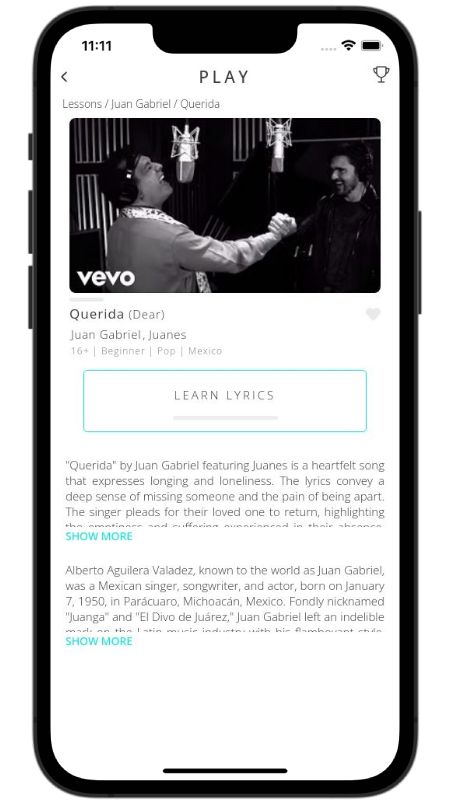
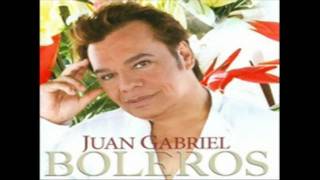
Querida Lyrics in English by Juan Gabriel, Juanes
Compasión is a powerful word that translates directly to "compassion". While it might look familiar to English speakers, its use in this song is what makes it so emotionally charged and memorable.
Juan Gabriel isn't just singing about sadness; he's making a desperate plea. In the line "Más compasión de mi tu ten" (Have more compassion for me), he is begging his beloved to show him mercy and relieve his immense suffering, adding a layer of dramatic depth to this classic ballad.
Querida is a full-blown emergency call for love. Juan Gabriel does not play it cool here. Right from the start, he begs this person to look at his misery: "Mira mi soledad, que no me sienta nada bien" ("Look at my loneliness, it does not suit me well at all"). That phrase, no me sienta bien, literally means something doesn't sit right with you or look good on you, like an ill-fitting jacket. He is basically saying solitude looks terrible on him, his old emotional wound hasn't closed ("No me ha sanado bien la herida" [My wound has not healed well]), and his house has gone completely dark without her ("Yo quiero ver de nuevo luz en toda mi casa" [I want to see light in my whole house again]).
By the second half, the song turns into frantic pacing across the floor. He throws pride out the window with "Más compasión de mi tu ten" ("Have more pity on me"), practically begging for mercy. Then comes the relentless, hook-heavy chant: "Dime cuando tú vas a volver" ("Tell me when you are going to come back") repeated over and over until it turns into the urgent shorthand "¿Para cuando?" ("By when?"). Joined by Colombian rocker Juanes, Juan Gabriel turns romantic desperation into something huge, loud, and impossible not to sing along with.