Abrázame Muy Fuerte Lyrics in English by Juan Gabriel
Estragos is a powerful word that translates to "havoc," "damage," or "ravages." It's not a word you hear every day, making it a unique and dramatic addition to your vocabulary.
In this emotional ballad, Juan Gabriel sings “Ha hecho estragos en mi gente como en mi persona” (It has wreaked havoc on my people as on myself), personifying time as a destructive force. He uses this word to describe the inevitable pain and wear that time inflicts, highlighting the urgent need for a loved one's embrace as a shield against it.
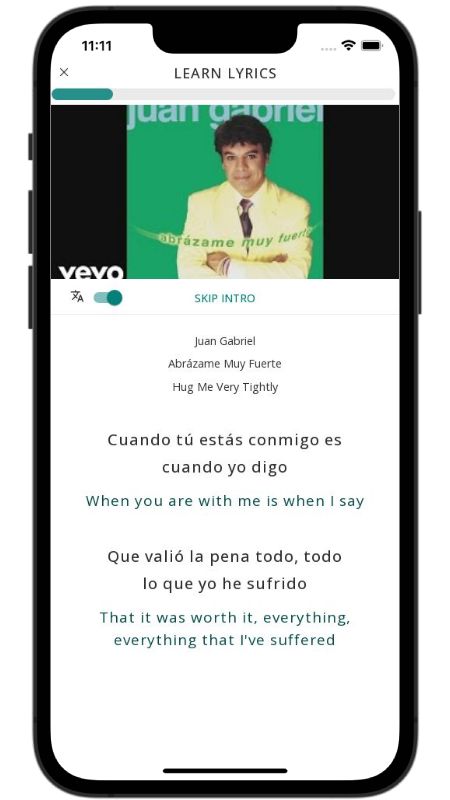
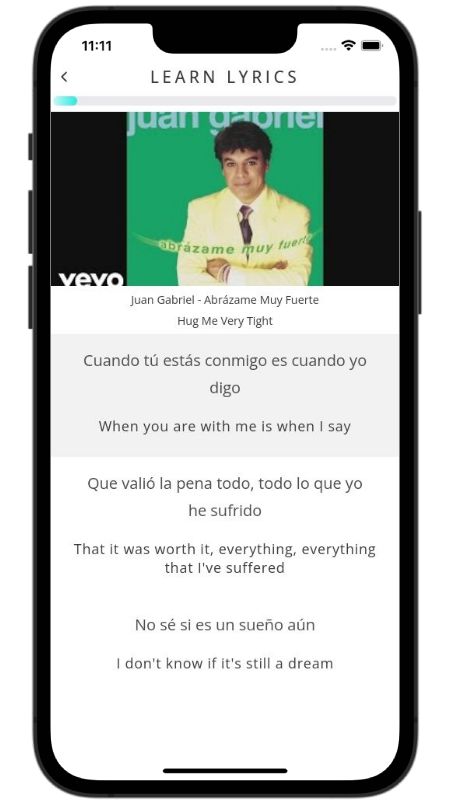
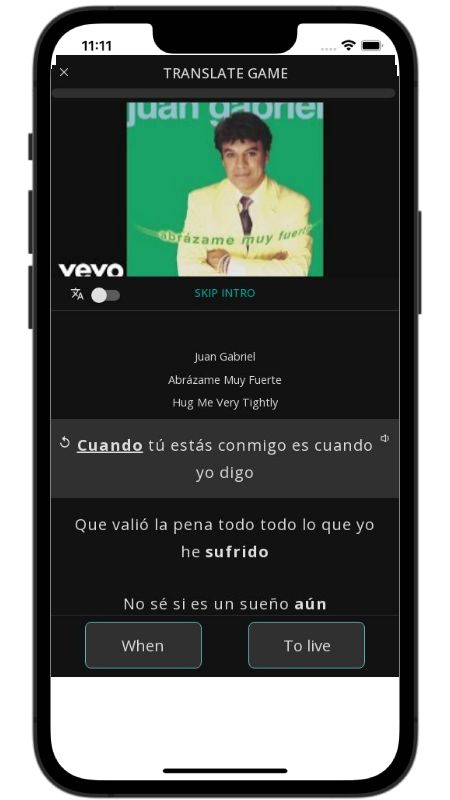
Juan Gabriel is a master of big emotions, and "Abrázame Muy Fuerte" is one of his most powerful songs about finding happiness after pain. The singer feels that being with his loved one makes all his past suffering worthwhile. He says, "Cuando tú estás conmigo es cuando yo digo / Que valió la pena todo, todo lo que yo he sufrido" (When you are with me is when I say / That everything I have suffered was worth it). This new love is so intense it feels like a dream, and he's filled with gratitude, even waking up "Llorando de felicidad" (Crying with happiness).
The song has a real sense of urgency, almost a fear of losing this moment. The singer keeps repeating the plea to be held, because time is an enemy. He calls time "malo y muy cruel amigo" (a bad and very cruel friend) that has damaged him and the people he loves. He begs his partner, "Abrázame que el tiempo pasa y él nunca perdona" (Hold me because time passes and it never forgives). It's a desperate request to stop the clock and stay in this perfect moment of love and safety, away from the pain of the past and the threat of the future.