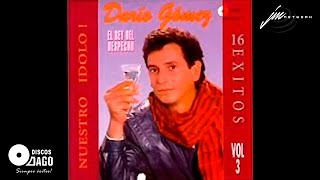
Sin Amor Tambien Se Vive Lyrics in English by Darío Gómez
Despreciarte means "to despise you" or "to scorn you." It's a strong and emotionally charged verb that conveys a deep sense of disdain or contempt.
In this song, the singer uses despreciarte to express a pivotal moment of realization and empowerment. After being hurt and deceived, he declares, "Despreciarte no más me faltaba" (All that was left was to despise you), signifying his final step in moving on from a toxic relationship and reclaiming his self-worth.
This song is Darío Gómez looking straight at someone who hurt him and saying: I loved you, but I’m not chasing you anymore. At the beginning, he explains he really believed that “Yo creí que contigo a mi lado” [I believed that with you by my side] he would “encontraba una vida más bella” [find a more beautiful life]. Instead, her love turned into “tremendo problema” [a huge problem]. The dream romance he imagined turns out to be full of lies and mockery, and he knows she’s probably planning to laugh at him again.
The powerful part is how he flips the story. She thinks that because he loved her, he will “correr otra vez tras de ti” [run after you again], but he warns her: “Vas a tener que entender que sin ti también puedo vivir” [You’re going to have to understand that without you I can also live]. He calls her “de dos caras” [two-faced] and even throws out “vete al diablo” [go to hell] when he talks about her pretending. It is harsh, but it fits the mood. In the middle of all the pain and pride, the key idea is in the title line: “sin amor también se vive” [you can also live without love]. The song is like a breakup speech where the person who got hurt finally gets their self‑respect back and says, very clearly, I’m done with you and I’ll be fine.