Que Dios Te Lo Pague Lyrics in English by Darío Gómez
Escollos translates to "obstacles" or "stumbling blocks." It's a more formal and evocative word than common alternatives like "problemas" (problems).
In the song, the lyrics express a wish that the beloved encounters no "escollos" (obstacles) in her life, wishing her a smooth and fortunate path. This word adds a poetic depth to the sentiment of wishing someone well, implying challenges that are significant and potentially difficult to overcome.
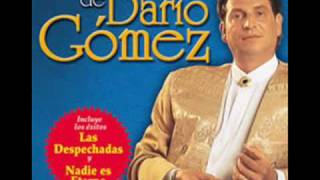
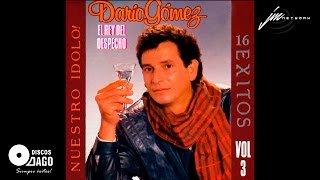
Darío Gómez, often called 'The King of Bitterness' in Colombia, really lives up to his name with "Que Dios Te Lo Pague." This song is a bittersweet farewell, where the singer expresses immense gratitude to a former lover. He thanks them for their love and kindness, saying, "que dios te lo pague por haberme amado y podés seguir siendo conmigo tan buena" [may God repay you for having loved me and for being so good to me]. It's a bit heartbreaking because he feels his own affection wasn't enough, admitting, "ya que mi cariño pues no vale la pena" [since my affection isn't worth it].
He wishes them all the best, hoping for good luck and no sadness in their life: "que por donde vayas la suerte te lleve que no haya tristeza jamás en tu vida" [may luck take you wherever you go, may there never be sadness in your life]. Even though they're apart, he promises to adore them until he dies, always following their path. It’s a powerful declaration of enduring love and a hopeful wish for their happiness, despite the pain of separation. He keeps repeating, "pidiéndole al cielo que dios te lo pague" [asking heaven that God repay you], which really drives home his sincere appreciation.