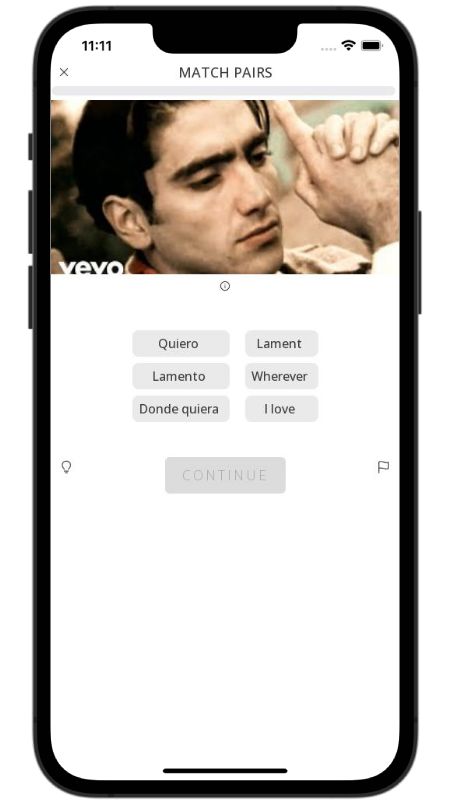
Como Quien Pierde Una Estrella Lyrics in English by Alejandro Fernández
Quejido is a powerful word that means 'groan' or 'moan', often one of pain, grief, or complaint. It's a very evocative term that you can almost hear.
In this classic ranchera, the singer describes his cry of love as a 'quejido que el viento se lleva' (a moan that the wind carries away). This beautiful, heartbreaking image perfectly captures his feeling of lost love and helplessness, making it a key word in understanding the song's deep emotion.
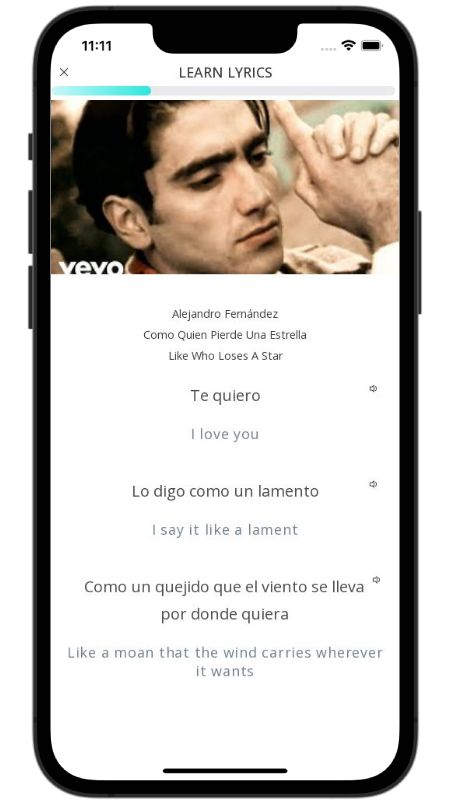
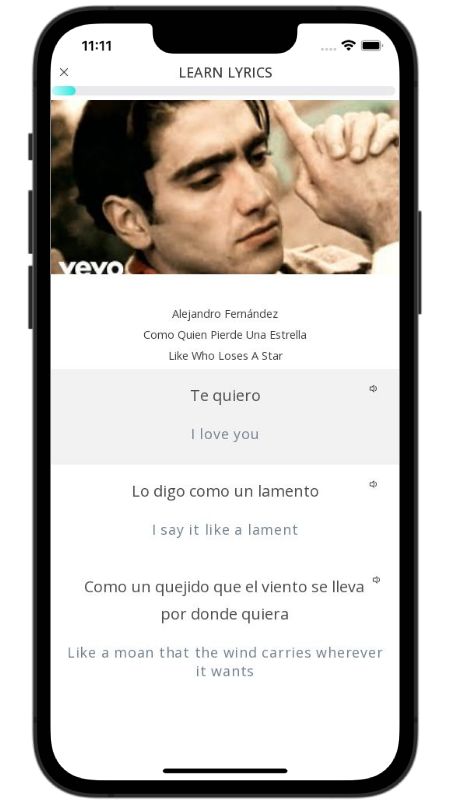
Alejandro Fernández does not hold anything back here; he lets his grief fly straight into the open air. Instead of whispering a quiet goodbye, he turns his confession into an outright groan: "Lo digo como un lamento, como un quejido que el viento se lleva por donde quiera" ("I say it like a lament, like a moan that the wind carries wherever it wants"). That central image is huge and dramatic. He compares losing his partner to someone watching a star drift away into the endless night sky: "Como quien pierde una estrella que se le va al infinito" ("Like someone who loses a star that drifts away into infinity"). It makes the breakup feel impossible to fix, as if she floated completely out of reach into deep space.
He also wants everyone nearby to hear his misery. He sings, "Quiero que se oiga mi llanto" ("I want my weeping to be heard"), demanding an audience for his pain before pleading for spiritual relief with "Diosito dame consuelo" ("Dear God give me comfort"). Notice the word Diosito there. It takes Dios (God) and attaches the affectionate diminutive suffix -ito. In Mexico, adding that ending softens the prayer into something intimate and childlike, like crying out to a protector when a breakup feels lethal enough to destroy you from the inside out.