Learn French With Serge Gainsbourg with these 23 Song Recommendations (Full Translations Included!)
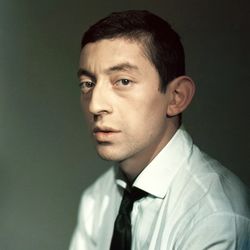
Serge Gainsbourg (1928-1991) was one of France's most influential and provocative singer-songwriters, celebrated for his sharp wit, playful wordplay, and fearless approach to taboo subjects. Born Lucien Ginsburg in Paris to Russian-Jewish immigrant parents, he first made his name writing songs for other French stars before building his own singing career through the 1960s and 1970s.
He moved fluidly between chanson, pop, reggae, and rock, and became internationally known for the breathy 1969 duet "Je t'aime... moi non plus" with Jane Birkin. Songs like "Premiers Symptômes" show his gift for turning dark, personal subject matter, heartbreak and self-destruction, into vivid, darkly funny storytelling. He remains one of the most sampled and studied songwriters in French pop history.
“La Chanson de Prévert” feels like opening an old photo album on an autumn afternoon. Serge Gainsbourg invites us to drift through memories of a past love, using Jacques Prévert and Joseph Kosma’s classic “Les Feuilles Mortes” as the soundtrack inside his mind. Each time the famous tune resurfaces, the fallen leaves of autumn flutter back, reviving emotions he wishes were long gone. He tries new romances, but they all sound monotone next to the haunting melody that once belonged to her. The result is a bittersweet portrait of nostalgia, where love keeps “dying without ever quite being dead.”
Yet the song also carries a quiet hope. Gainsbourg wonders when indifference truly begins and ends, trusting that time – passing from autumn into winter – will eventually erase the refrain and, with it, the lingering ache. Until that day, the leaves, the music, and the memories remain inseparable, showing us how a single song can pin our hearts to the past while we wait for new seasons to set us free.
On the surface, "Les Sucettes" (which means "Lollipops") is a sweet and innocent-sounding song about a young girl named Annie. She absolutely loves anise-flavored lollipops! According to the lyrics, the candy makes her feel like she's in "paradise" and even gives her kisses a sugary, anise taste. The lollipops are described as having the same color as her eyes and "happy days," painting a picture of pure, simple joy.
However, the songwriter, Serge Gainsbourg, was famous for his clever and often provocative wordplay. Many listeners find a second, more adult meaning hidden in the seemingly innocent lyrics. Phrases describing the candy "running down Annie's throat" and what she does when only the "little stick" is left have led people to believe the song isn't just about candy. It's a classic example of a song that can be heard in two very different ways!
Serge Gainsbourg tu mluví k člověku, který už odešel, ale stále se vrací v jedné písni. Prosí ho: „Je voudrais tant que tu te souviennes“ [Tak moc bych chtěl, abys vzpomínal], protože „cette chanson était la tienne“ [tahle píseň byla tvoje]. Jde o skladbu Les feuilles mortes, jejíž název znamená Padlé listí. Text ji připisuje Prévertovi a Kosmovi, tedy básníkovi Jacquesi Prévertovi a skladateli Josephu Kosmovi. Každý podzimní obraz listí v něm znovu probouzí vzpomínku: „Les feuilles mortes te rappellent à mon souvenir“ [Padlé listí mi tě připomíná]. A lásky, které už skončily, přitom stále umírají znovu, den za dnem.
Vypravěč se pokouší být s jinými lidmi, ale jejich písně mu připadají monotónní a postupně mu na nich přestává záležet. Jeho lhostejnost však nepřijde najednou. Ptá se: „Peut-on jamais savoir par où commence et quand finit l’indifférence?“ [Dá se vůbec poznat, kde lhostejnost začíná a kdy končí?] Podzim přejde v zimu a on doufá, že píseň Prévertova jednou zmizí z jeho paměti. Závěr je skoro jako malé zaklínadlo, protože poslední věta se opakuje: až ten den přijde, jeho mrtvé lásky budou konečně doopravdy mrtvé.
Serge Gainsbourg wrote ‘Torrey Canyon’ as a monologue spoken by the ship itself, months after the real Torrey Canyon ran aground off Cornwall in 1967 and spilled its entire cargo, the worst oil spill Britain had seen. The tanker introduces itself by paperwork rather than by name: “Cent vingt mille tonnes de pétrole brut!” (“One hundred and twenty thousand tons of crude oil!”), built in Japan, owned through an American shell company, chartered to Union Oil, flagged in Liberia to dodge regulation, and crewed by Italians who had nothing to do with any of it. Every verse adds another layer of ownership and none of it lands anywhere: “Le mazout dont on m’a rempli les soutes / C’est celui du consortium British Petroleum” (“The fuel oil with which they filled my bunkers / It is that of the British Petroleum consortium”). By the end the ship just repeats its own name, “Le Torrey Canyon, le Torrey Canyon,” the way a brand repeats itself instead of answering for what it did.
“Je T’aime… Moi Non Plus” is a legendary 1969 duet where Serge Gainsbourg and Jane Birkin turn whispered French pillow-talk into pop art. The title literally means “I love you… me neither,” hinting at a playful contradiction: overwhelming desire mixed with the impossibility of total fusion. When it arrived on radios the song shocked censors, yet behind the sighs and sensual breaths lies a clever exploration of love, lust, and language.
Using the imagery of a wave and a naked island, the lyrics paint two lovers in constant motion: “Je vais et je viens entre tes reins” (I go and I come between your hips). Their voices overlap like ripples, suggesting a cyclical rhythm of advance, retreat, and sweet restraint. Gainsbourg’s line “L’amour physique est sans issue” (Physical love has no way out) underscores the bittersweet lesson: pure passion is thrilling but can never fully satisfy the heart’s deeper hunger. The result is a moody, hypnotic track that invites listeners to feel the tension between closeness and distance, affirmation and denial, “Je t’aime… moi non plus.”
Serge Gainsbourgi laul on mälestus armastusest, mis on lõppenud, kuid pole veel päriselt kadunud. Laulja palub endisel kallimal mäletada nende ühist lemmiklaulu: „Cette chanson était la tienne“ [See laul oli sinu oma]. See on Jacques Préverti sõnadele ja Joseph Kosma muusikale loodud „Les feuilles mortes“ ehk „Surnud lehed“. Sügislehed tuletavad talle iga kord endist armastatut meelde: „Les feuilles mortes te rappellent à mon souvenir“ [Surnud lehed tuletavad sind mulle meelde].
Ta proovib olla koos teistega, kuid nende laulud tunduvad üksluised ja ta muutub vähehaaval ükskõikseks. Ometi ei lõpe vanad armastused tema sõnul päriselt: „Jour après jour, les amours mortes n’en finissent pas de mourir“ [Päev päeva järel ei jõua surnud armastused suremist lõpetada]. Lõpus kujutleb ta aega, mil sügis läheb üle talveks ja Préverti laul kustub tema mälust. Siis saaksid ka tema „surnud armastused“ lõpuks surra. See korduv lootus kõlab peaaegu nagu vaidlus iseendaga: kui laul ja sügislehed ikka tagasi tulevad, pole unustamine veel alanudki.
Ova je pjesma razgovor s uspomenom koja se stalno vraća. Pripovjedač želi da se druga osoba sjeti pjesme koja je nekada bila „tvoja omiljena“, a zatim navodi da su je napisali Prévert i Kosma. Riječ je o pjesmi „Les feuilles mortes“, odnosno „Opalo lišće“. Svaki put kad opalo lišće podsjeti pripovjedača na tu osobu, vraća se i sjećanje na ljubavi koje su završile: „Jour après jour, les amours mortes / N’en finissent pas de mourir“ [Dan za danom, mrtve ljubavi nikako da prestanu umirati]. Izraz je namjerno pretjeran i pomalo okrutan: prošla ljubav jest završila, ali se u sjećanju stalno ponovno gasi.
Pripovjedač pokušava biti s drugim osobama, no njihove su pjesme „monotone“, pa mu one postupno postaju svejednije. Zatim dolazi pitanje: „Peut-on jamais savoir par où commence / Et quand finit l’indifférence?“ [Može li se ikada znati gdje ravnodušnost počinje i kada završava?] Jesen prolazi, dolazi zima, a on se nada danu kada će se „La chanson de Prévert“ [Prévertova pjesma] izbrisati iz njegova sjećanja. Tek tada će i njegove mrtve ljubavi doista prestati umirati. Lijepa je to, ali i pomalo nemilosrdna ideja: jedna pjesma i nekoliko listova mogu održavati cijelu prošlu ljubav na životu.
Serge Gainsbourg tu spieva o láske, ktorá sa skončila, no spomienka na ňu stále odmieta odísť. Rozprávač prosí bývalú lásku, aby si spomenula: „Cette chanson était la tienne“ [Táto pieseň bola tvoja]. Ide o pieseň Les feuilles mortes, ktorej text aj melódiu v samotných slovách pripisuje Prévertovi a Kosmovi. Zakaždým, keď sa objavia jesenné listy, vracia sa mu na myseľ táto osoba aj „les amours mortes“ [mŕtve lásky]. Pekný obraz, ale aj trochu nemilosrdný: lásky sú síce minulé, no „n'en finissent pas de mourir“ [neprestávajú umierať].
Skúša žiť s inými, lenže ich piesne mu znejú jednotvárne a postupne mu na tom všetkom prestáva záležať. Potom si kladie jednoduchú, nepríjemnú otázku: „Peut-on jamais savoir par où commence / Et quand finit l'indifférence“ [Dá sa vôbec vedieť, kde ľahostajnosť začína a kde sa končí?]. Jeseň prejde, príde zima a on dúfa, že Prévertova pieseň sa raz vytratí z pamäti. Až vtedy budú jeho „mŕtve lásky“ naozaj mŕtve. Opakovanie posledných veršov pôsobí, akoby sa od minulosti chcel odtrhnúť, no stále ju ešte vyslovuje.
¡Prepárate para una inmersión melancólica y hermosa con "La Chanson De Prévert" de Serge Gainsbourg! Esta canción es un lamento agridulce sobre un amor perdido que se niega a desaparecer de la memoria. Gainsbourg nos canta sobre una canción, "Les feuilles mortes" [Las hojas muertas], que era la favorita de su amor, y cómo cada vez que la escucha, le trae recuerdos de esa persona. Es un sentimiento con el que muchos podemos identificarnos: ¿quién no tiene una canción que le recuerda a alguien especial?
Lo interesante es cómo, a pesar de intentar seguir adelante con otras personas ("Avec d'autres bien sûr, je m'abandonne" [Con otras, claro, me abandono]), sus canciones le parecen "monotone" [monótonas]. Las "amours mortes" [amores muertos] simplemente "n'en finissent pas de mourir" [no terminan de morir]. Él anhela el día en que la canción de Prévert se borre de su memoria y, con ella, sus amores pasados finalmente descansen en paz. Es una canción que te hace sentir la persistencia del recuerdo y la dificultad de dejar ir.
In dit lied vraagt de zanger zijn vroegere geliefde om zich een bepaald lied te herinneren: „Cette chanson était la tienne” [Dit lied was van jou]. Het was haar favoriete lied, denkt hij, en het is van Prévert en Kosma. Daarmee bedoelt hij „Les feuilles mortes”, letterlijk „De dode bladeren”. Elke keer dat hij aan die herfstbladeren denkt, denkt hij ook aan haar: „Les feuilles mortes te rappellent à mon souvenir” [De dode bladeren herinneren je aan mij]. De seizoenen worden hier bijna een kalender van het gemis: de herfst gaat voorbij, de winter komt, maar hun dode liefde blijft sterven.
Hij probeert verder te gaan met andere geliefden, maar hun liederen klinken hem eentonig in de oren: „Avec d’autres bien sûr, je m’abandonne” [Met anderen geef ik me natuurlijk over]. Toch wordt hij langzaam onverschillig, zonder dat hij daar iets aan kan doen. De vraag „Peut-on jamais savoir par où commence et quand finit l’indifférence?” [Kun je ooit weten waar onverschilligheid begint en eindigt?] maakt het lied extra menselijk: wanneer houdt verdriet op, en wanneer merk je dat je niets meer voelt? Hij hoopt uiteindelijk dat het lied van Prévert uit zijn geheugen verdwijnt. Pas op die dag zullen zijn oude liefdes volgens hem echt gestorven zijn. Een prachtig eenvoudige, maar ook behoorlijk meedogenloze gedachte: zolang één lied haar terugbrengt, is de liefde nog niet klaar met sterven.
У цій пісні оповідач просить колишню кохану не забувати пісню, яка колись була її улюбленою: «Cette chanson était la tienne» [Ця пісня була твоєю]. Йдеться про «Les feuilles mortes» [«Опале листя»], пісню, яку він називає піснею Превера й Косми. Щоразу, коли приходить образ опалого листя, до нього повертається пам’ять про неї: «Les feuilles mortes te rappellent à mon souvenir» [Опале листя нагадує мені про тебе]. Тут осінній образ працює майже як кнопка пам’яті: листя опадає, а минуле знову оживає.
Він пробує бути з іншими, але їхні пісні здаються йому одноманітними, і він поступово байдужіє. Та старе кохання не зникає одразу: «Jour après jour, les amours mortes n’en finissent pas de mourir» [День за днем померлі кохання ніяк не можуть померти]. Наприкінці він чекає на зміну пір року, щоб пісня Превера стерлася з пам’яті, а його «мертві кохання» нарешті перестали помирати. Дуже сильна, трохи гірка думка: іноді розставання закінчується не в день розриву, а лише тоді, коли звичайна пісня більше не повертає людину в минуле.
I «La Chanson De Prévert» vender Serge Gainsbourg tilbake til en kjærlighet som er slutt, men som stadig våkner til liv gjennom en sang. Fortelleren ber den andre personen huske at sangen en gang var deres favoritt: «Cette chanson était la tienne» [Denne sangen var din]. Det er «Les feuilles mortes», skrevet av Jacques Prévert og Joseph Kosma, og hver gang høstløvet faller, blir den tidligere kjæresten hentet tilbake i minnet. Den fine detaljen er også litt brutal: «Jour après jour, les amours mortes / N’en finissent pas de mourir» [Dag etter dag slutter de døde kjærlighetene aldri å dø].
Fortelleren prøver å være sammen med andre, men deres sanger føles monotone, og han blir mer og mer likegyldig. Samtidig vet han ikke helt når likegyldigheten begynte, eller når den vil ta slutt. Høsten går over i vinter, og han håper at også «la chanson de Prévert» [Préverts sang] en dag skal viskes ut av minnet. Men helt til det skjer, er én melodi nok til å holde den gamle kjærligheten levende. Det er en enkel idé, men Gainsbourg gjør den nesten litt irriterende sann: Noen ganger er det ikke personen som åpner såret igjen, men en sang.
Serge Gainsbourgin “La Chanson De Prévert” on muisto, joka ei suostu vaikenemaan. Kertoja pyytää entistä rakastettuaan muistamaan laulun, joka oli tämän suosikki: “Cette chanson était la tienne” [Tämä laulu oli sinun]. Laulu on Jacques Prévertin sanoittama ja Joseph Kosman säveltämä “Les feuilles mortes”, eli “Kuolleet lehdet”. Juuri syksyn lehdet palauttavat rakastetun kerta toisensa jälkeen mieleen: “Chaque fois, les feuilles mortes / Te rappellent à mon souvenir” [Joka kerta kuolleet lehdet / palauttavat sinut mieleeni]. Kaunis vuodenaikakuva muuttuu tässä melko armottomaksi muistimekanismiksi.
Kertoja yrittää antautua uusille rakkauksille, mutta niiden laulut tuntuvat yksitoikkoisilta, ja hän sanoo vähitellen muuttuvansa välinpitämättömäksi. Silti mennyt rakkaus ei lopu yhdellä päätöksellä: “Jour après jour, les amours mortes / N’en finissent pas de mourir” [Päivä päivältä kuolleet rakkaudet eivät lakkaa kuolemasta]. Lopussa hän kysyy, milloin välinpitämättömyys alkaa ja milloin se päättyy, ja toivoo vuodenaikojen vaihtuvan syksystä talveen. Ehkä jonain päivänä Prévertin laulu pyyhkiytyy muistista ja kuolleet rakkaudet ovat viimein kuolleet loppuun asti. Viimeisen ajatuksen toistaminen tekee toivosta epävarman: jos asia olisi jo selvä, sitä ei tarvitsisi sanoa uudelleen.
Serge Gainsbourg’un “La Chanson de Prévert” adlı şarkısı, bitmiş bir aşkın hafızadan kolayca çıkmamasını anlatıyor. Anlatıcı, eski sevgilisinin en sevdiği şarkıyı hatırlamasını istiyor: “Cette chanson était la tienne” [Bu şarkı senindi]. Şarkının, Jacques Prévert’in sözlerini yazdığı ve Joseph Kosma’nın bestelediği “Les feuilles mortes” olduğunu söylüyor. Fransızca başlık kelimesi kelimesine “ölü yapraklar” demek. Sonbaharda dökülen bu yapraklar, anlatıcıya eski sevgilisini yeniden hatırlatıyor: “Les feuilles mortes te rappellent à mon souvenir” [Ölü yapraklar seni bana hatırlatıyor]. Güzel ama biraz acımasız bir fikir: Mevsim değiştikçe geçmiş de tekrar kapıyı çalıyor.
Anlatıcı başka insanlarla birlikte olmayı deniyor, fakat onların şarkısını “tekdüze” buluyor ve yavaş yavaş kayıtsızlaşmasına rağmen eski aşkın etkisinden kurtulamıyor. “Les amours mortes n’en finissent pas de mourir” [Ölmüş aşklar bir türlü ölmeyi bitirmiyor] dizesi bilerek çelişkili ve çok güçlü: Aşk bitmiş olsa da hafızada ölmeye devam ediyor. Son bölümde sonbaharın geçip kışın gelmesini, bir gün bu şarkının anısından silinmesini bekliyor. Ancak o zaman, “mes amours mortes en auront fini de mourir” [ölmüş aşklarım ölmeyi nihayet bitirmiş olacak].
In questa canzone, Serge Gainsbourg parla a una persona che non riesce a dimenticare. Le chiede di ricordare: «Cette chanson était la tienne» [Questa canzone era la tua], perché Les feuilles mortes era forse la sua preferita. Il titolo significa “Le foglie morte” e la canzone è attribuita a Prévert e Kosma: Jacques Prévert ne scrisse il testo e Joseph Kosma compose la musica. Ogni volta che arrivano le foglie d’autunno, il ricordo di quella persona ritorna: «Jour après jour, les amours mortes / N’en finissent pas de mourir» [Giorno dopo giorno, gli amori morti non finiscono di morire]. È un’immagine semplice e terribile: la storia è finita, ma continua a spegnersi lentamente.
Il narratore prova a stare con altre persone, però le loro canzoni gli sembrano monotone e lui diventa sempre più indifferente. Poi si pone una domanda molto umana: «Peut-on jamais savoir par où commence / Et quand finit l’indifférence?» [Si può mai sapere da dove comincia e quando finisce l’indifferenza?]. L’autunno passerà, arriverà l’inverno, e forse un giorno la canzone di Prévert si cancellerà dalla sua memoria. Quel giorno, dice con una speranza quasi severa, i suoi amori morti avranno finalmente finito di morire. Ma il ritornello continua a tornare, proprio come le foglie e il ricordo.
U ovoj pesmi Serge Gainsbourg govori nekome ko je nekada voleo „Les feuilles mortes“ („Opalo lišće“), pesmu koja je, kako kaže, bila njihova omiljena: „Cette chanson était la tienne“ („Ta pesma je bila tvoja“). Sam naziv vezuje muziku za uspomenu: svaki put kada opalo lišće podseti pripovedača na tu osobu, vraćaju se i „les amours mortes“ („mrtve ljubavi“), ljubavi koje su završene, ali ipak „n’en finissent pas de mourir“ („nikako da prestanu da umiru“). Prévert i Kosma su autori pesme koju stihovi pominju, pa ovde sama melodija postaje okidač za sećanje.
Pripovedač pokušava da nastavi život sa drugima, ali njihove pesme su mu monotone i postepeno postaje ravnodušan. Zatim se pita gde ravnodušnost počinje i kada se završava, dok kroz slike jeseni i zime čeka dan kada će se „la chanson de Prévert“ („Prévertova pesma“) izbrisati iz njegovog sećanja. Lepo je u tome što pesma ne obećava brzo izlečenje: lišće opada iz godine u godinu, a stara ljubav se vraća sa svakim podsećanjem. Tek na samom kraju pripovedač zamišlja da će njegove završene ljubavi napokon „en avoir fini de mourir“ („konačno završiti sa umiranjem“).
To piosenka o miłości, która się skończyła, ale nie potrafi odejść. Narrator prosi dawną ukochaną, żeby pamiętała piosenkę, która „était la tienne” [była twoja] i którą uważała za ulubioną. Chodzi o „Les feuilles mortes” [„Opadłe liście”], utwór związany z poetą Jacques’em Prévertem i kompozytorem Josephem Kosmą. Wspomnienie działa tu jak jesienny refren: „chaque fois, les feuilles mortes / te rappellent à mon souvenir” [za każdym razem opadłe liście przypominają mi ciebie]. Bardzo konkretny obraz, a przy tym bezlitosny: natura co roku powtarza tę samą scenę, więc miniona miłość też wraca.
Narrator próbuje być z innymi osobami, lecz ich piosenka wydaje mu się monotonna i stopniowo obojętnieje. Najciekawsze jest pytanie „Peut-on jamais savoir par où commence / et quand finit l’indifférence” [Czy można kiedykolwiek wiedzieć, gdzie zaczyna się obojętność i kiedy się kończy?]. Jesień przechodzi w zimę, a on czeka na dzień, gdy piosenka Préverta „s’efface de mon souvenir” [zatrze się w mojej pamięci]. Dopiero wtedy jego „amours mortes” [umarłe miłości] naprawdę przestaną umierać. Powtórzenie tego ostatniego zdania brzmi jak próba przekonania samego siebie, że zapomnienie kiedyś jednak nadejdzie.
Στο «La Chanson de Prévert», ο Serge Gainsbourg μιλά σε έναν παλιό έρωτα που δεν έχει πάψει να επιστρέφει στη μνήμη του. Θέλει ο άλλος να θυμάται πως «Cette chanson était la tienne» [Αυτό το τραγούδι ήταν δικό σου], το αγαπημένο του τραγούδι, γραμμένο από τον Prévert και τον Kosma. Κάθε φορά που πέφτουν τα φθινοπωρινά φύλλα, το τραγούδι «Les feuilles mortes» [«Τα νεκρά φύλλα»] τον ξαναφέρνει στη σκέψη του: «Jour après jour, les amours mortes / N’en finissent pas de mourir» [Μέρα με τη μέρα, οι πεθαμένοι έρωτες δεν τελειώνουν να πεθαίνουν]. Η εικόνα είναι απλή και δυνατή: ο χωρισμός έχει τελειώσει, αλλά η ανάμνησή του συνεχίζει να πεθαίνει ξανά και ξανά.
Ο αφηγητής προσπαθεί να προχωρήσει «Avec d’autres bien sûr, je m’abandonne» [Με άλλες, βέβαια, αφήνομαι], όμως τα καινούργια τραγούδια τού φαίνονται μονότονα και σιγά σιγά αδιαφορεί. Ύστερα αναρωτιέται: «Peut-on jamais savoir par où commence / Et quand finit l’indifférence» [Μπορεί κανείς να ξέρει ποτέ από πού αρχίζει και πότε τελειώνει η αδιαφορία;]. Περιμένει να περάσει το φθινόπωρο, να έρθει ο χειμώνας και κάποτε το τραγούδι του Prévert να σβήσει από τη μνήμη του. Όμως η επανάληψη του τελευταίου στίχου, «En auront fini de mourir» [Θα έχουν τελειώσει να πεθαίνουν], ακούγεται σχεδόν σαν ευχή που δεν έχει ακόμη πραγματοποιηθεί.
În „La Chanson de Prévert”, Serge Gainsbourg vorbește cu o fostă iubită pe care încă o leagă de un cântec: „Je voudrais tant que tu te souviennes” [Mi-aș dori atât de mult să-ți amintești]. Cântecul era preferatul ei, „Les feuilles mortes”, scris de Jacques Prévert și Joseph Kosma. Pentru el, frunzele de toamnă nu sunt doar un decor: de fiecare dată când apar, îi aduc chipul ei în minte. Iubirea s-a terminat, dar „les amours mortes / n’en finissent pas de mourir” [iubirile moarte nu mai termină să moară]. E o formulare frumoasă și puțin nemiloasă: despărțirea s-a încheiat, însă amintirea continuă să o prelungească.
El încearcă să meargă mai departe cu alte persoane, dar cântecele lor i se par monotone, iar treptat devine indiferent. Apoi vine întrebarea simplă și grea: „Peut-on jamais savoir par où commence / et quand finit l’indifférence?” [Poți ști vreodată de unde începe și când se termină indiferența?] Toamna trece, vine iarna, iar el își imaginează ziua în care cântecul lui Prévert se va șterge din memorie. Repetiția finală a ideii că iubirile moarte „en auront fini de mourir” [vor fi terminat în sfârșit de murit] sună aproape ca o promisiune, dar cântecul ne lasă să simțim cât de mult durează până când o melodie încetează să mai cheme pe cineva înapoi.
In diesem Lied hängt eine alte Liebe an einem ganz bestimmten Lied: „Cette chanson était la tienne“ [Dieses Lied war deins]. Gemeint ist „Les feuilles mortes“, ein Lied von Jacques Prévert und Joseph Kosma. Jedes Mal, wenn der Sänger an „Les feuilles mortes“ [Die toten Blätter] denkt, erinnert er sich an die frühere Person. Der Herbst wird dabei zum Auslöser für die Erinnerung: „Jour après jour, les amours mortes / N’en finissent pas de mourir“ [Tag für Tag hören die toten Lieben nicht auf zu sterben]. Das ist schön formuliert und zugleich ziemlich gemein, weil die vergangene Liebe offenbar immer wieder neu endet.
Der Sänger versucht zwar, sich mit anderen Menschen einzulassen, aber deren Lieder wirken auf ihn eintönig. Er sagt sogar, dass er allmählich gleichgültig wird, doch diese Gleichgültigkeit kommt nicht einfach. Mit dem Wechsel der Jahreszeiten hofft er, dass Préverts Lied aus seinem Gedächtnis verschwindet. Erst dann, so stellt er sich vor, werden seine „amours mortes“ [toten Lieben] wirklich zu Ende sein. Bis dahin genügt ein Lied, und die Vergangenheit ist wieder da.
I denne sang holder fortælleren fast i en tidligere kærlighed gennem en bestemt melodi. Han ønsker, at den anden person skal huske: “Cette chanson était la tienne” [Denne sang var din]. Han siger, at det var personens yndlingssang, skrevet af Prévert og Kosma, og nævner dens titel, “Les feuilles mortes” [De døde blade]. Hver gang melodien eller de faldende blade dukker op, bliver den tidligere kærlighed levende i hans hukommelse igen: “Jour après jour, les amours mortes / N’en finissent pas de mourir” [Dag efter dag holder de døde kærligheder aldrig op med at dø]. Det er en stærk og næsten lidt ondskabsfuld idé: Forholdet er slut, men mindet bliver ved med at gentage afslutningen.
Han prøver at være sammen med andre, men deres sange føles monotone, og han bliver mere og mere ligeglad. Alligevel kan han ikke bestemme, hvornår ligegyldigheden begynder eller slutter: “Passe l’automne, vienne l’hiver” [Efteråret går, vinteren kommer]. Årstiderne får tiden til at gå, men de lover ikke automatisk glemsel. Til sidst forestiller han sig den dag, hvor Préverts sang endelig “s’efface de mon souvenir” [forsvinder fra min erindring]. Først dér kan hans døde kærligheder virkelig holde op med at dø. Det fine ved teksten er, at en hel fortid bliver bundet til én sang og nogle blade på jorden.
V tej pesmi se pripovedovalec obrača k nekdanji ljubezni in jo prosi, naj se spomni njune pesmi: »Cette chanson était la tienne« [Ta pesem je bila tvoja]. To je »Les feuilles mortes«, pesem, ki sta jo napisala Jacques Prévert in Joseph Kosma. Vsakič ko odpadajo jesenski listi, se mu vrne spomin nanjo, skupaj z mislijo, da se mrtve ljubezni končujejo zelo počasi: »Jour après jour, les amours mortes / N’en finissent pas de mourir« [Dan za dnem mrtve ljubezni nikakor ne nehajo umirati]. Lepo in nekoliko pretirano, prav v tem je čar pesmi.
Pripovedovalec se sicer predaja drugim ljubeznim, vendar so njihove pesmi zanj enolične in postaja ravnodušen. Sprašuje se, ali je sploh mogoče vedeti, kdaj se ravnodušnost začne in kdaj konča. Nato čaka, da mine jesen, pride zima in se »la chanson de Prévert« [Prévertova pesem] izbriše iz njegovega spomina. Šele takrat bodo njegove pretekle ljubezni res umrle. Jesenski listi tukaj niso samo del vremena: vsakič, ko se pojavijo, odprejo vrata do iste osebe in istega spomina.
Em “La Chanson de Prévert”, Serge Gainsbourg coloca um antigo amor dentro de uma canção que não deixa o passado quieto. O narrador pede: “Je voudrais tant que tu te souviennes” [Eu queria tanto que você se lembrasse], porque aquela música era a preferida da pessoa amada. Ele a identifica como “Les feuilles mortes” [As folhas mortas], conhecida na letra como uma canção de Prévert e Kosma. Cada vez que as folhas de outono aparecem, elas trazem essa pessoa de volta à memória: “Jour après jour, les amours mortes / N’en finissent pas de mourir” [Dia após dia, os amores mortos não acabam de morrer]. É uma imagem linda e um pouco cruel: o relacionamento terminou, mas continua terminando de novo, todos os dias.
O narrador tenta se entregar a outros amores, porém “leur chanson est monotone” [a canção deles é monótona], e ele vai ficando indiferente. A pergunta “Peut-on jamais savoir par où commence / Et quand finit l’indifférence?” [Será que algum dia é possível saber onde começa e quando termina a indiferença?] deixa tudo menos simples: esquecer não acontece de uma vez. Ele imagina o outono passar, o inverno chegar e, finalmente, “que la chanson de Prévert / Cette chanson, Les feuilles mortes / S’efface de mon souvenir” [que a canção de Prévert, essa canção, As folhas mortas, desapareça da minha memória]. Mas a repetição do último verso, “En auront fini de mourir” [terão finalmente terminado de morrer], faz esse alívio parecer distante. A canção que deveria desaparecer continua tocando dentro dele.

