Learn English With Pink Floyd with these 23 Song Recommendations (Full Translations Included!)
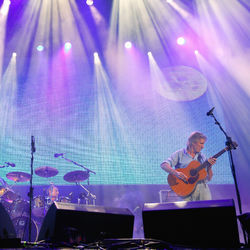
Wish You Were Here não é apenas uma canção, é um desabafo profundo da banda britânica Pink Floyd. A letra fala sobre ausência, desilusão e a dificuldade de se manter autêntico num mundo que nos pressiona a fazer trocas duvidosas. Já parou para pensar se consegue distinguir o céu do inferno ou um sorriso de um disfarce? A música usa estas perguntas para nos fazer refletir sobre as nossas próprias escolhas: será que trocamos os nossos sonhos por uma falsa segurança?
A canção é muitas vezes vista como uma homenagem a Syd Barrett, um dos fundadores da banda que se afastou devido a problemas de saúde mental. A imagem de "duas almas perdidas a nadar num aquário" (two lost souls swimming in a fishbowl) é uma metáfora poderosa para uma vida de repetição e confinamento, onde corremos em círculos e encontramos sempre os "mesmos velhos medos" (the same old fears). No fundo, é um lamento, um desejo imenso de ter por perto alguém que se perdeu pelo caminho.
Another Brick In The Wall, Part Two coloca os estudantes no centro de uma revolução sonora. Com o coro infantil gritando “Hey, teacher, leave us kids alone!”, a lendária banda britânica Pink Floyd critica um sistema escolar rígido que tenta padronizar mentes, sufocar a criatividade e impor controle de pensamento. Cada menção à “educação” e ao “sarcasmo sombrio” dos professores é um protesto contra aulas frias, regras sem sentido e a transformação de jovens em peças idênticas de uma engrenagem.
Quando o refrão afirma que isso é “just another brick in the wall”, a canção amplia o debate: aquela escola opressiva é apenas mais um tijolo de um muro muito maior, feito de pressões sociais que nos isolam e nos impedem de ser autênticos. A mensagem é clara: questione autoridades, proteja sua imaginação e recuse qualquer estrutura que reduza pessoas a números. Embalada por um ritmo contagiante de rock progressivo com pitadas de disco, a faixa virou um hino mundial de rebeldia dentro e fora das salas de aula.
¿Alguna vez tuviste un profesor insoportable? Pink Floyd convirtió esa furia escolar en un himno directo a la yugular con "Another Brick In The Wall, Part Two". Desde el primer segundo, el grupo británico va directo al grano: "We don't need no education" [No necesitamos ninguna educación]. En inglés coloquial, esa doble negación (don't need no) rompe las reglas formales de la gramática a propósito para sonar desafiante y rebelde, como hablaría un estudiante cansado de obedecer.
El tema ataca la humillación dentro del aula cuando exige "No dark sarcasm in the classroom" [Nada de sarcasmo oscuro en el salón de clases] y le grita a los adultos "Teachers, leave them kids alone" [Profesores, dejen en paz a esos chicos]. El uso de them kids en vez del estándar those kids refuerza ese lenguaje callejero e informal. Para la banda, cada profesor autoritario y cada intento de "thought control" [control del pensamiento] es solo un bloque más en una estructura opresiva: "All in all, you're just another brick in the wall" [A fin de cuentas, solo eres otro ladrillo en la pared]. Es un desahogo brutal contra la rigidez escolar que se canta con los puños cerrados.
¿Alguna vez sentiste que cambiaste algo valioso por pura rutina cómoda? De eso te habla la banda británica Pink Floyd en este tema. La letra arranca desafiándote con preguntas directas: te pregunta si de verdad distingues el cielo del infierno (Heaven from Hell) o los cielos azules del dolor (Blue skies from pain). Critica esas decisiones donde renunciamos a la libertad por comodidad, como cuando dice que cambiamos un papel secundario en la guerra por el papel principal dentro de una jaula (A walk-on part in the war for a lead role in a cage). La frase en inglés walk-on part se refiere a un extra en una película, alguien sin diálogo; la canción prefiere que seas un simple extra en la batalla real antes que la gran estrella encerrada en una prisión dorada.
El remate del tema es una de las metáforas más claras sobre la soledad compartida: nos describe como dos almas perdidas nadando en una pecera, año tras año (two lost souls swimming in a fishbowl, year after year). Dar vueltas en círculos sobre el mismo suelo de siempre (Running over the same old ground) para encontrar únicamente los mismos miedos. Por eso el grito de wish you were here (desearía que estuvieras aquí) no suena a un simple saludo amistoso; es el deseo urgente de tener a alguien despierto a tu lado para romper ese encierro mental.
In „Wish You Were Here“ stellt die britische Rocklegende Pink Floyd eine Reihe tiefgründiger Fragen. Kannst du wirklich den Himmel von der Hölle unterscheiden? Oder ein echtes Lächeln von einer Maske? Der Song fordert dich auf, über die Entscheidungen nachzudenken, die wir im Leben treffen. Tauschen wir unsere Ideale und Träume gegen leeren Komfort und Sicherheit ein? Es geht um den schmerzhaften Kompromiss, eine Hauptrolle in einem goldenen Käfig gegen einen kleinen, aber freien Auftritt im echten Leben einzutauschen.
Der Song ist eine emotionale Hommage, die oft mit dem ehemaligen Bandmitglied Syd Barrett in Verbindung gebracht wird. Die berühmte Zeile „We're just two lost souls swimming in a fishbowl“ (Wir sind nur zwei verlorene Seelen, die in einem Goldfischglas schwimmen) malt ein starkes Bild von zwei Menschen, die sich gefangen und orientierungslos fühlen und Jahr für Jahr dieselben alten Wege gehen. Es ist ein kraftvoller Ausdruck von Sehnsucht und dem Gefühl, dass trotz allem Erfolg jemand Wichtiges schmerzlich fehlt.
¡Bienvenido al universo sonoro de Pink Floyd! Con un suave susurro cósmico y saxofones que flotan como nubes de psicodelia, Us and Them nos invita a cuestionar la eterna división entre “nosotros” y “ellos”. La banda pinta un cuadro de contrastes: soldados que mueren mientras los generales mueven fronteras sobre un mapa, discusiones que se convierten en “batallas de palabras” y desigualdades tan cotidianas que hasta “el precio del té y una rebanada” cobra vida tragicómica.
En solo siete minutos, el grupo británico condensa una crítica apasionada contra la guerra, la alienación social y la indiferencia humana. A través de imágenes de colores (“black and blue”) y movimientos circulares (“round and round”), la canción nos recuerda que las barreras que levantamos son tan frágiles como arbitrarias. Us and Them es un llamado a romper la apatía, a ver más allá de los bandos y descubrir que, después de todo, “somos hombres ordinarios” compartiendo el mismo planeta y el mismo latido musical.
High Hopes mira hacia atrás, al lugar donde todo empezó. Las primeras líneas describen un mundo de imanes y milagros, donde los pensamientos vagaban sin límites y nada parecía cerrado todavía. Luego empieza a sonar la campana de la división y algo se parte en dos.
La canción va nombrando lugares con nombre propio, el Camino Largo, la Calzada, el Canal, como quien repasa un mapa de la infancia. Detrás vienen las cosas que atan: el tiempo que se lleva los sueños, las criaturas pequeñas que intentan sujetarte al suelo, una vida consumida por una lenta decadencia.
El estribillo es puro recuerdo. La hierba era más verde, la luz más brillante, el sabor más dulce, los amigos alrededor. No es tanto una afirmación sobre cómo fue el pasado como sobre la forma en que lo recordamos, siempre un poco mejor de lo que fue.
En la segunda mitad la mirada cambia. Alcanzan las alturas vertiginosas de aquel mundo soñado, con la bandera desplegada, y aun así el hambre sigue sin saciarse. El deseo y la ambición no se apagan al llegar; solo empujan los ojos cansados otra vez hacia el horizonte, por un camino que ya han recorrido tantas veces.
El final se disuelve en imágenes de agua: la niebla del amanecer, el agua que fluye, el río sin fin. Es la respuesta más serena que ofrece la canción. El camino no se cierra y tampoco vuelve atrás, simplemente sigue.
Money nos sumerge en un carnaval sonoro de cajas registradoras y guitarras que Pink Floyd (la legendaria banda británica) utiliza para burlarse de nuestra obsesión por el dinero. Con un tono sarcástico, la canción retrata a alguien que se siente invencible gracias a su cuenta bancaria: presume coches lujosos, caviar y hasta la compra de un equipo de fútbol. Sin embargo, bajo el brillo del lujo late una crítica feroz al consumismo y a la desigualdad: el narrador disfruta de su fortuna y al mismo tiempo se niega a compartirla, revelando la hipocresía que rodea al poder del dinero.
En poco más de seis minutos, Floyd dispara contra varias ideas muy reconocibles:
- La tentación de acumular riqueza “con ambas manos y hacer un alijo”.
- El clasismo de quien viaja “en primera clase” y sueña con un jet privado.
- La contradicción de llamar “raíz de todo mal” al dinero pero negarse a subir el sueldo a los demás. El resultado es un retrato ácido y pegajoso que invita a cuestionar cuánto valen realmente nuestras ambiciones cuando todo se mide en billetes.
Questa canzone dei Pink Floyd è un viaggio nostalgico nel passato. Il testo ci porta indietro ai giorni della gioventù, un'epoca descritta come un "mondo di magneti e miracoli" dove i pensieri vagavano "costantemente e senza confini". C'è un forte senso di nostalgia per un tempo in cui tutto sembrava migliore: "l'erba era più verde" e "la luce era più brillante", specialmente quando si era circondati dagli amici durante le "notti di meraviglia".
Man mano che la canzone prosegue, emerge un contrasto tra il passato idealizzato e il presente. Anche dopo aver raggiunto "le vertiginose altezze di quel mondo sognato", rimane una fame insoddisfatta, un desiderio che spinge a guardare ancora verso l'orizzonte. Il testo parla di fare "passi in avanti ma tornando indietro come sonnambuli", trascinati da una forza interiore. È una riflessione agrodolce su come i sogni e le ambizioni della gioventù si scontrano con la realtà della vita adulta, lasciando un perenne desiderio per la magia dei giorni passati.
Har du nogensinde følt, at skolen var som et fængsel? Det er præcis den følelse, det britiske band Pink Floyd fanger i denne verdensberømte protestsang. Med et kor af skolebørn, der synger i trods, er sangen et oprør mod et stift og undertrykkende uddannelsessystem. Teksten maler et billede af et klasseværelse fyldt med "mørk sarkasme", hvor eleverne råber: "Hey! Teacher! Leave them kids alone!" (Hey! Lærer! Lad de børn være!).
Sangen bruger en stærk metafor: Hver negativ oplevelse, hver streng lærer og hver form for "tankekontrol" er blot endnu en mursten i en mur – "another brick in the wall". Denne mur symboliserer den følelsesmæssige isolation, som systemet skaber. Det er ikke bare en sang; det er en hymne for alle, der har følt sig kvalt af autoriteter og har drømt om at bryde fri.
Pesem "Another Brick in the Wall, Part 2" britanske skupine Pink Floyd je ena najbolj prepoznavnih uporniških himn v zgodovini rocka. Besedilo je neposredna obtožba togega in zatiralskega šolskega sistema. Z odločnimi verzi, kot sta "We don't need no education" (Ne potrebujemo izobrazbe) in "We don't need no thought control" (Ne potrebujemo nadzora misli), pesem izraža močno nasprotovanje uniformiranosti in duševni stiski.
Osrednja metafora pesmi je, da so učenci le "še ena opeka v zidu" (another brick in the wall). Ta podoba ponazarja, kako šolski sistem s svojim "temnim sarkazmom" (dark sarcasm) otroke spreminja v brezosebne, enake dele večje, zatiralske strukture. Klic "Hey! Teacher! Leave them kids alone!" (Hej! Učitelj! Pusti otroke pri miru!) je neposreden poziv k svobodi in ohranitvi individualnosti.
Britská kapela Pink Floyd stvořila s písní „Another Brick in the Wall, Part 2“ skutečnou hymnu rebelie. Text je přímým vzkazem studentů, kteří se bouří proti rigidnímu vzdělávacímu systému. Odmítají nejen samotné vzdělání („We don't need no education“), ale především kontrolu myšlení a sarkasmus ve třídě. Je to hlasitý výkřik: „Hej! Učiteli! Nech ty děti na pokoji!“
Co ale znamená ten slavný verš „All in all, you're just another brick in the wall“ (koneckonců, jsi jen další cihla ve zdi)? Zeď je zde silnou metaforou pro mentální bariéry a uniformitu, kterou takový systém vytváří. Každý projev útlaku, jako je „kontrola myšlení“ nebo „temný sarkasmus“, je jen další cihlou, která tuto zeď staví. Píseň je tak silným protestem proti tomu, aby se z dětí i učitelů staly jen anonymní součásti jedné velké, odcizené zdi.
Készülj fel a rocktörténelem egyik leghíresebb tiltakozó dalára! A brit Pink Floyd zenekar „Another Brick in the Wall, Part 2” című száma egy erőteljes kiáltás a merev, elnyomó oktatási rendszer ellen. A dalszöveg egyenesen kimondja: „We don't need no education / We don't need no thought control” (Nincs szükségünk oktatásra / Nincs szükségünk gondolatrendőrségre). A diákok úgy érzik, hogy az iskola nem a tudást, hanem a gondolkodás nélküli engedelmességet erőlteti rájuk.
De mit is jelent az, hogy „another brick in the wall” (egy újabb tégla a falban)? Ez a dal központi metaforája. Minden szigorú szabály, minden „dark sarcasm in the classroom” (sötét szarkazmus az osztályteremben) egy újabb tégla, amely egy falat épít a diákok köré, elzárva őket a kreativitástól és az egyéniségüktől. A híres refrén, „Hey! Teacher! Leave them kids alone!” (Hé, tanár! Hagyd békén a kölyköket!), a diákok lázadó kiáltása a szabadságért.
Чували ли сте някога детски хор да пее в рок песен? Е, британската група Pink Floyd прави точно това в своя световен хит! Песента е мощен протест срещу строгата и задушаваща образователна система. С думите „We don't need no education“ (Не се нуждаем от образование) и „We don't need no thought control“ (Не се нуждаем от контрол над мисълта), те се противопоставят на идеята децата да бъдат третирани като еднакви.
Основната метафора е „another brick in the wall“ (още една тухла в стената). Тя описва как учениците се превръщат в безлични части от една голяма, потискаща структура, губейки своята индивидуалност. Призивът „Teachers, leave them kids alone!“ (Учители, оставете децата на мира!) е директен вик за свобода от сарказма и строгия контрол в класната стая. Това не е просто песен, а химн за правото на всяко дете да бъде себе си.
„Another Brick In The Wall, Part Two“ je više od pesme; to je svetski poznata himna pobune! Legendarni britanski bend Pink Floyd ovde diže glas protiv strogog obrazovnog sistema koji, po njima, guši individualnost. Stihovi poput "We don't need no education" (Ne treba nam obrazovanje) i "We don't need no thought control" (Ne treba nam kontrola misli) predstavljaju direktan protest protiv učenja koje ne podstiče slobodno razmišljanje.
Centralna metafora pesme je zid. Svako loše iskustvo u učionici, svaki "dark sarcasm" (mračni sarkazam), postaje još jedna cigla u metaforičkom zidu koji izoluje pojedinca. Kada pevaju "All in all, you're just another brick in the wall" (Sve u svemu, ti si samo još jedna cigla u zidu), obraćaju se krutim autoritetima koji doprinose ovoj izolaciji. To je snažan apel za slobodu i poštovanje mladih umova.
Jeste li se ikada osjećali da vas škola pokušava ukalupiti? Legendarni britanski bend Pink Floyd pjeva upravo o tome u svojoj kultnoj protestnoj pjesmi. Stihovi poput "We don't need no education / We don't need no thought control" (Ne treba nam obrazovanje / Ne treba nam kontrola misli) nisu poziv na neznanje, već snažan krik protiv krutog obrazovnog sustava koji guši individualnost.
Pjesma koristi snažnu metaforu: svako negativno iskustvo, poput "mračnog sarkazma u učionici", predstavlja još jednu ciglu u metaforičkom zidu koji se gradi oko pojedinca. Učitelji su pozvani da "ostave djecu na miru" jer se doživljavaju kao dio problema. Na kraju, svaka opresivna radnja i osoba samo su "još jedna cigla u zidu" (another brick in the wall), doprinoseći izolaciji i otuđenju.
„Another Brick In The Wall, Part Two“ od britskej kapely Pink Floyd je viac než len pieseň, je to silná hymna protestu, ktorá rezonuje naprieč generáciami. Text je priamym útokom na rigidný a utláčajúci vzdelávací systém. Spevák v mene všetkých „detí“ odmieta nielen vzdelanie v jeho vtedajšej podobe („We don't need no education“), ale aj „kontrolu myslenia“ („thought control“), ktorú so sebou prináša. Žiadajú koniec „temnému sarkazmu v triede“ a kričia na učiteľov, aby ich nechali na pokoji.
Ústrednou metaforou piesne je slávny verš: „All in all, you're just another brick in the wall“ (Celkovo si len ďalšou tehlou v múre). Každá negatívna skúsenosť, každé zosmiešnenie a každé potlačenie individuality je vnímané ako ďalšia „tehla“, ktorá stavia pomyselný múr. Tento múr symbolizuje odcudzenie, izoláciu a stratu osobnosti. Pieseň tak pôsobivo vyjadruje pocit, že škola namiesto oslobodzovania mysle vytvára len ďalších unifikovaných a odosobnených členov spoločnosti.
Vai esat gatavs dumpinieciskai himnai? Apvienotās Karalistes rokgrupas Pink Floyd dziesma "Another Brick In The Wall, Part Two" ir tieši tāda. Tā ir spēcīgs protests pret stingru un nomācošu izglītības sistēmu. Ar leģendāro frāzi "We don't need no education" (Mums nevajag nekādu izglītību), dziesma pauž skolēnu neapmierinātību, kuri jūtas apspiesti un kontrolēti. Viņi kliedz: "Hey! Teacher! Leave them kids alone!" (Hei! Skolotāj! Liec tos bērnus mierā!).
Bet ko nozīmē slavenais teiciens "All in all, you're just another brick in the wall" (Galu galā, tu esi tikai vēl viens ķieģelis mūrī)? Šī metafora ir dziesmas sirds. Tā attēlo izglītības sistēmu kā milzīgu mūri, kas tiek celts, lai ierobežotu individualitāti un brīvu domāšanu. Katrs skolēns, kurš tiek pakļauts "domu kontrolei" un "melnajam sarkasmam" klasē, kļūst par vēl vienu vienādu ķieģeli šajā nomācošajā sienā. Tā ir dziesma par cīņu par savu unikalitāti un pret kļūšanu par bezpersonisku daļu no sistēmas.
"Another Brick In The Wall, Part Two" är en av Pink Floyds mest kända låtar och en riktig protestsång! Texten är en stark kritik mot ett stelt och förtryckande skolsystem. Sångaren, som talar för eleverna, ropar ut att de inte behöver den här typen av "utbildning" eller "tankekontroll". De vill inte ha någon "mörk sarkasm i klassrummet" och ber lärarna att helt enkelt lämna dem ifred.
Den berömda frasen "All in all, it's just another brick in the wall" (Allt som allt är det bara ännu en tegelsten i muren) är en kraftfull metafor. Varje negativ upplevelse, varje elak kommentar från en lärare, blir en "tegelsten" som bygger upp en mental mur runt eleverna. Muren symboliserar isolering och känslomässig avstängdhet, skapad av ett system som inte ser barnen som individer. När de sjunger "you're just another brick in the wall" menar de att läraren själv är en del av detta förtryckande system.
„Another Brick in the Wall, Part Two” este un strigăt de revoltă împotriva unui sistem educațional rigid, care transformă elevii în simple piese de construcție identice. Versurile lui Pink Floyd pun reflectorul pe frustrările copiilor care se simt presați de reguli strâmte, sarcasm întunecat și profesori autoritari. Când vocea colectivă spune „We don't need no education / We don't need no thought control”, ea nu respinge învățarea în sine, ci condamnă îndoctrinarea și lipsa de libertate a gândirii individuale.
Refrenul „All in all, you're just another brick in the wall” subliniază cum fiecare copil ajunge să fie doar „o cărămidă în perete”, pierzându-și unicitatea. Melodia devine astfel un imn al nonconformismului, încurajând ascultătorii să-și protejeze creativitatea și să nu lase instituțiile să le zdrobească personalitatea. În spatele chitarilor inconfundabile, mesajul este simplu: educația ar trebui să clădească minți deschise, nu să ridice ziduri.
“Another Brick in the Wall, Part Two” van de Britse band Pink Floyd is een wereldberoemd protestlied. De tekst is een krachtige aanklacht tegen een streng en onderdrukkend onderwijssysteem. Met zinnen als “We don't need no education” (We hebben geen onderwijs nodig) en “No dark sarcasm in the classroom” (Geen duister sarcasme in de klas), verzetten de zangers zich tegen een school die creativiteit de kop indrukt en iedereen hetzelfde wil maken. De boodschap is luid en duidelijk: “Hey! Teacher! Leave them kids alone!” (Hé! Leraar! Laat die kinderen met rust!).
De titel van het nummer onthult een sterke metafoor. Elke negatieve ervaring, elke sarcastische opmerking van een leraar, is 'slechts weer een steen in de muur' (“just another brick in the wall”). Deze muur symboliseert de mentale barrières en de conformiteit die door het systeem worden opgebouwd. Het lied is dus niet alleen een protest, maar ook een oproep om deze muren af te breken en te vechten voor vrijheid van denken.
Το «Another Brick in the Wall, Part 2» των Pink Floyd δεν είναι απλώς ένα τραγούδι, είναι ένας ύμνος-διαμαρτυρία που άφησε εποχή. Με τον εμβληματικό στίχο «We don't need no education» (Δεν χρειαζόμαστε καμία εκπαίδευση), το βρετανικό συγκρότημα εκφράζει μια ισχυρή αντίθεση σε ένα αυστηρό και καταπιεστικό εκπαιδευτικό σύστημα. Οι στίχοι ζητούν το τέλος του «ελέγχου της σκέψης» και του «σκοτεινού σαρκασμού» μέσα στην τάξη, απευθύνοντας μια άμεση έκκληση στους δασκάλους: «Teachers, leave them kids alone» (Δάσκαλοι, αφήστε τα παιδιά ήσυχα).
Η κεντρική ιδέα του τραγουδιού κρύβεται στη μεταφορά του τοίχου. Κάθε αρνητική εμπειρία, κάθε πράξη καταπίεσης, είναι απλώς «another brick in the wall» (άλλο ένα τούβλο στον τοίχο). Αυτός ο τοίχος συμβολίζει την αποξένωση, την απομόνωση και την έλλειψη ατομικότητας που δημιουργεί ένα τέτοιο σύστημα. Το τραγούδι δεν κατηγορεί μόνο το σύστημα, αλλά και τους ίδιους τους δασκάλους, λέγοντας «you're just another brick in the wall», υπονοώντας ότι κι αυτοί είναι απλώς γρανάζια σε έναν απρόσωπο μηχανισμό που χτίζει τείχη αντί να απελευθερώνει το μυαλό.
Pink Floydin "Another Brick in the Wall, Part 2" on yksi rock-historian tunnetuimmista protestilauluista. Kappale on suora hyökkäys ankaraa ja mielikuvituksetonta koulujärjestelmää vastaan. Kuuluisassa kertosäkeessä lauletaan:
"We don't need no education We don't need no thought control"
Laulun puhuja, todennäköisesti oppilas, vaatii opettajia jättämään lapset rauhaan ja vastustaa "synkkää sarkasmia luokkahuoneessa" (No dark sarcasm in the classroom).
Kappaleen ytimessä on voimakas metafora muurista. Jokainen negatiivinen kokemus, jokainen lannistava sana ja jokainen yritys kontrolloida ajattelua on vain "jälleen yksi tiili muurissa" (just another brick in the wall). Tämä muuri symboloi henkistä eristäytymistä ja yhteiskunnan luomia rajoja, jotka estävät yksilöllisyyttä ja vapaata ajattelua. Laulu onkin voimakas puolustuspuhe luovuuden ja itsenäisyyden puolesta.

