Talento De Televisión Lyrics in English by Willie Colón
Palanca literally translates to "lever". However, in many Spanish-speaking countries, it's used as slang for having "pull", "influence", or "connections" that help you get ahead.
In this song, Willie Colón sings, "su palanca fuera su cuerpo y no su valor" (her leverage was her body and not her worth). He's cleverly using this double meaning to say she used her physical appearance, not her talent, as a tool to advance her career. It's a perfect example of a common word with a powerful, hidden meaning!
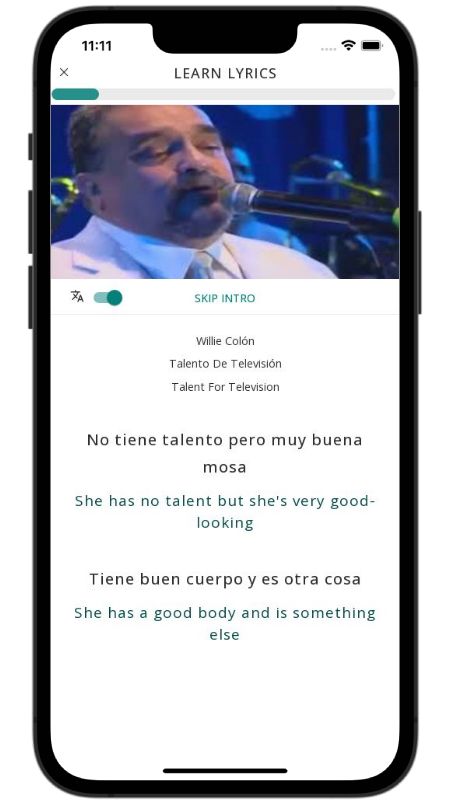
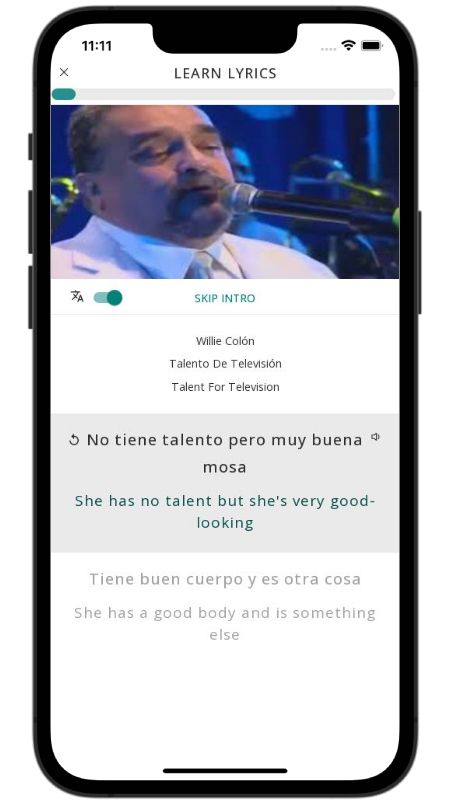
Willie Colón tells a hilarious and very direct story in this song about a woman who becomes a huge TV star. But there's a catch. As the song repeats over and over, "No tiene talento pero muy buena mosa" (She has no talent but she's a very good-looking girl). Her real skill? Well, the song says she "Tiene un trasero que causa sensación" (Has a butt that causes a sensation). This is her secret weapon, making her "Muy poderosa en television" (Very powerful on television) and winning over all the male actors, while the actresses are not so impressed.
He gives us some pretty funny examples of her lack of acting ability. When she had a scene where she was supposed to cry, "pues no lloro" (well, she didn't cry). And when she had to sing? She just lip-synced. According to the lyrics, she got her big break by charming a TV executive, and despite her complete lack of skill, she "sigue cobrando mucho mejor" (keeps earning much better) than everyone else. It's a sharp and funny critique of how looks can sometimes matter more than ability in the world of entertainment.