Mi Vida Loca (En Vivo) Lyrics in English by Tito Torbellino Jr
Hazañas translates to "feats" or "exploits." It's a word that evokes a sense of grand achievements and daring actions, often associated with heroes or significant life events.
In the context of this song, the lyrics mention, "No se olviden las hazañas en las calles o en la maña," which means "Don't forget the exploits in the streets or in the hustle." This suggests the character is reflecting on their past actions and adventures, both legal and illicit, highlighting a life full of memorable and impactful experiences. It's an intriguing word that hints at a compelling backstory.
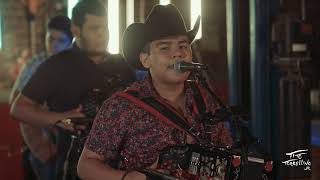
Tito Torbellino Jr.'s "Mi Vida Loca (En Vivo)" is a powerful corrido that tells the story of a life lived on the edge, full of danger and loyalty. The singer reflects on his past, acknowledging that "así como todo empieza también todo se termina" [just as everything begins, everything also ends]. He talks about facing death many times, having "más vidas que un gato" [more lives than a cat], and how he wasn't a saint, but only harmed those who wronged him.
The song is a farewell, as he's now in prison ("hoy el cumple en el penal" [today he's serving his time in prison]). He remembers protecting his brothers and the adventures he shared with his "carnal" [brother] in the streets. He also thanks his companions who were always there for him. It's a look back at a wild life that started with "la mota" [weed] and led to "una vida loca" [a crazy life], but he doesn't regret how he lived, even if he's not proud of everything. He sends his love to his mother and father, and promises to watch over his loved ones from where he is now, signing off as "el Chapo Ramón."