Douleur Je Fuis Lyrics in English by Stéphane
Fus is a form of the verb être (to be) in a rare literary tense called the passé simple. You'll almost never hear this tense in modern conversation; it's reserved for storytelling, novels, and songs, giving the lyrics a poetic, narrative quality.
When Stéphane sings, "Joueur je fus" (A player I was), he's not just saying what he used to be. He's using this special tense to frame his past as a finished chapter in a story, adding a layer of dramatic finality to his reflections.
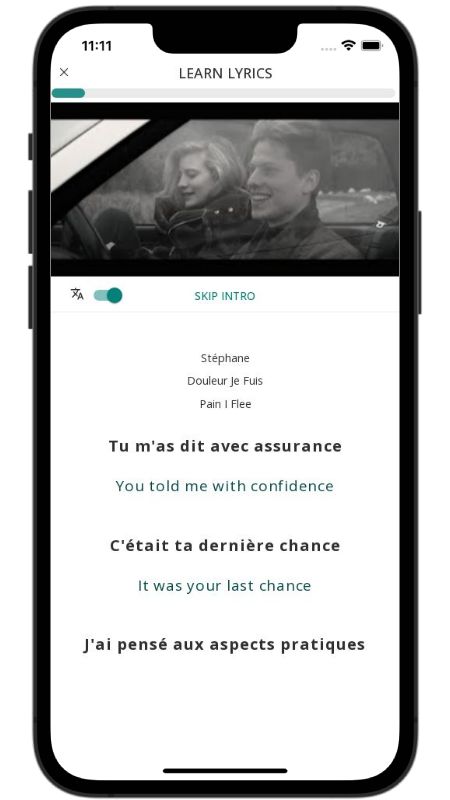
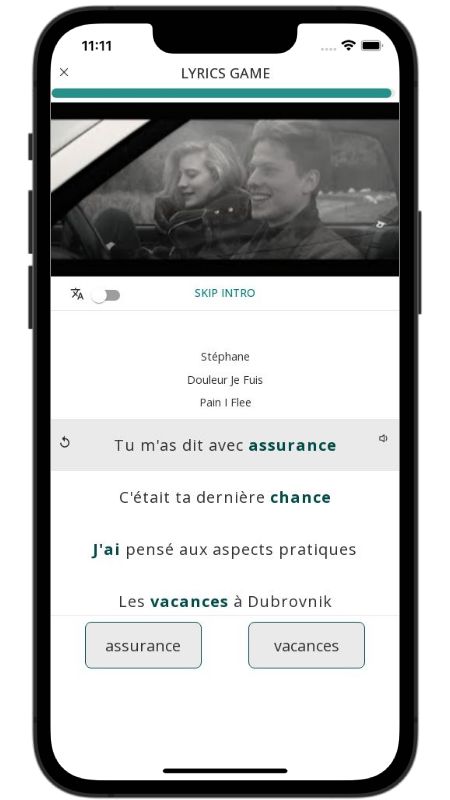
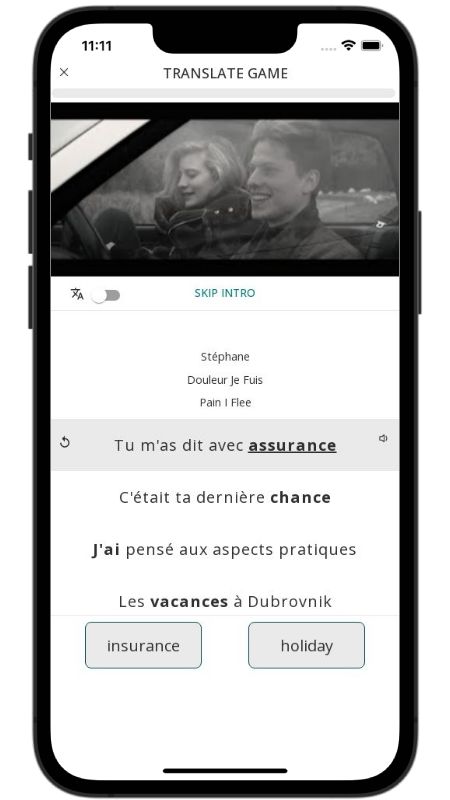
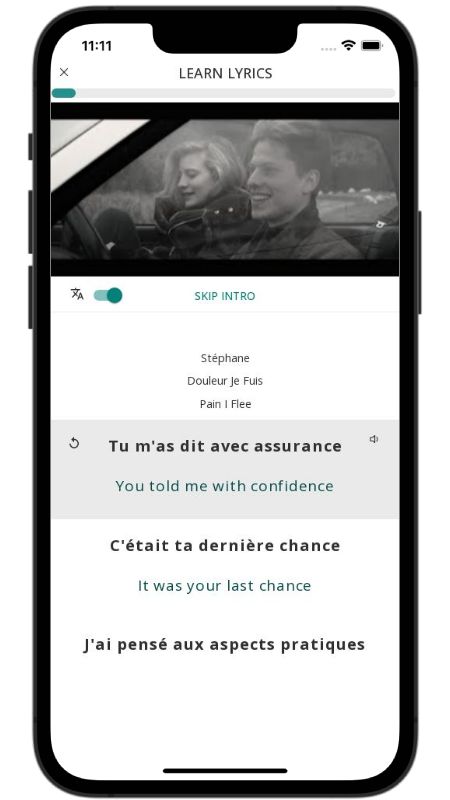
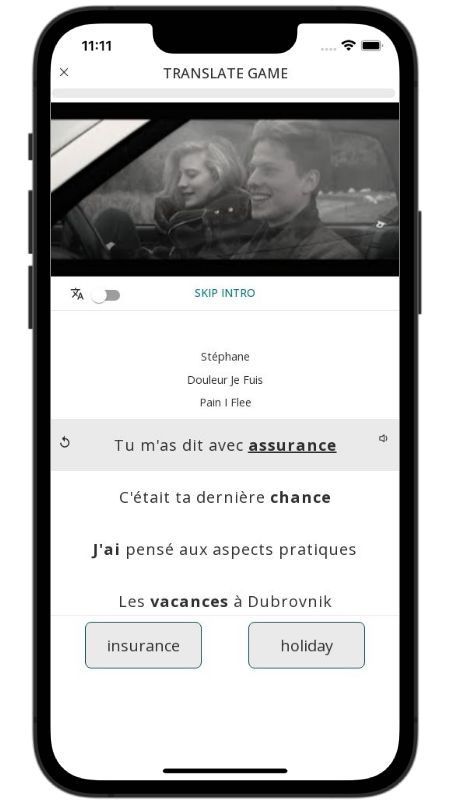
Have you ever been completely blindsided by a breakup simply because your ego refused to believe it could happen? That is the exact mess French singer Stéphane walks us through in Douleur Je Fuis. When his partner tells him it is their final chance, his immediate thought is purely practical: Les vacances à Dubrovnik ("Holidays in Dubrovnik"). He admits with hilarious honesty that he didn't grasp the crisis for two whole days because On peut pas me quitter / Donc ça veut pas rentrer ("You can't leave me / So it won't sink in"). That playful French turn of phrase ça veut pas rentrer translates literally to "it doesn't want to enter," meaning an idea is simply too stubborn to fit inside your head. He spent his time being a player (joueur je suis) and dodging discomfort (douleur je fuis), only to realize the game ended while he wasn't looking.
Once the closet empties out and the space suddenly feels huge, reality hits like a brick. Stéphane hides behind the television screen, walks through the back door with a knot in his stomach, and watches the train whistle blow as his ex leaves the station. He borrows a boxing term to sum up his regret: C'est qu'après la fin / Que j'ai ouvert ma garde ("It's only after the end / That I dropped my guard"). In French, ouvrir sa garde means letting your defensive stance slip to allow genuine contact. By the time he finally changes over the summer, it is too late to share it, leaving him stuck alone on the train platform with nothing but unpaid bills of regret.