Palavras Lyrics in English by Raquel Tavares
Lembranças translates to "memories" or "recollections". While "memories" is a common concept, the Portuguese word lembranças carries a beautiful, slightly melancholic weight, often implying cherished or lingering memories.
In the context of this fado song, Raquel Tavares sings about living "Das lembranças de nós dois" (from the memories of us two). It perfectly encapsulates the bittersweet theme of holding onto past love, making it a poignant and memorable word for learners.
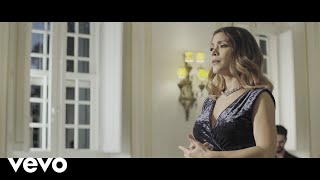
Raquel Tavares cut "Palavras" for an album of Roberto Carlos covers, and it fits her like it was written for a fadista in the first place: plain words, no metaphor to hide behind. She opens by refusing to be managed. "Não tente me enganar" ("Don't try to fool me"), she says, because she has already read the ending on his face: "Vejo em seu olhar / Que já não existe / Aquele mesmo amor" ("I see in your eyes / that no longer exists / that same love"). By the chorus she has stopped listening entirely. "Não tente me dizer / Palavras que eu já não acredito" ("Don't try to tell me / words that I don't believe anymore").
What follows isn't anger, it's bookkeeping. She names what the love actually cost her: "Eu fiz daquele amor o meu sonho maior / Minha razão de tudo" ("I made that love my greatest dream / my reason for everything"). Then she totals up what survived it, and the arithmetic is brutal: "Foi pouco o que restou / De tanto que existiu / Recordações e nada mais" ("Little is what's left / of so much that existed / memories and nothing more"). She repeats that whole verse a second time before the song ends, like she needs to hear the number twice before she'll believe it.