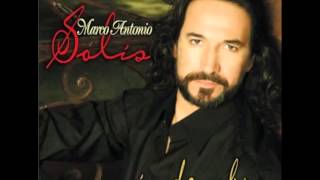
Deusa Negra Lyrics in English by Marco Antonio Solís
Cementerio translates to "cemetery". It's a striking and somber word that immediately grabs attention due to its strong imagery.
In the context of the song, Marco Antonio Solís uses it metaphorically to describe a future without his love: "Mi camino será un cementerio" (My path will be a cemetery). This powerful metaphor conveys a sense of profound loss and despair, making it a memorable and emotionally resonant word.
Marco Antonio Solís brings us a song of intense longing and sorrow with "Deusa Negra." It's a powerful declaration from someone who feels forbidden to even look at the person they once loved, singing, "y prohibido a mis ojos el mirarte de nuevo a la cara" [and forbidden to my eyes to look at your face again]. This isn't just a simple breakup song; it's about a mind and soul that can't move on, even as the singer acknowledges that their path without this person will be like a "cementerio" [cemetery].
What really gets me is the depth of the despair. The singer talks about their heart barely being able to live daily, even after giving so much faith and wanting happiness for the other person. There's a strong sense of betrayal, or at least deep hurt, as they mention the "dignidad de no caer más en tu fe" [dignity of not falling for your faith anymore]. It's a desperate plea to forget, to "llorar hasta lograr que algún día ya no te puedas recordar" [cry until I manage that one day I can no longer remember you]. It's a raw, emotional journey through the pain of trying to erase someone from your memory when every part of you resists.