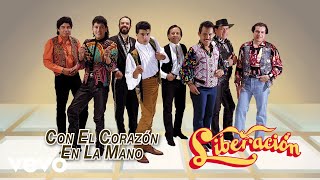
En La Misma Cama Lyrics in English by Liberación
Hilacha literally means "loose thread." It's an interesting word because it's part of a common Spanish idiom, "darle vuelo a la hilacha," which means to let loose, have fun, or indulge in pleasures.
In the context of this song, the phrase "Démosle vuelo a la hilacha" is used to suggest throwing caution to the wind and rekindling a passionate affair. It's a playful yet suggestive way to invite someone to forget their inhibitions and enjoy themselves.
Liberación built this song around one small, stubborn argument: come back, just for tonight. It opens right at sunrise, with the singer still awake and still thinking about someone who isn't his anymore ("Y aquí yo sigo soñando," "And here I keep dreaming"). He isn't asking for a reunion. He's asking for one more night in the room they already know: "En el mismo hotel y en la misma cama" ("In the same hotel and the same bed").
The pitch he makes is almost businesslike. Whoever she's with now "No te sirve para nada" ("doesn't do you any good"), so why not slip away and settle the score one more time? "Démosle vuelo a la hilacha" ("Let's cut loose") is a phrase for throwing caution out the window, and the last verses make that invitation as physical as they can get: skin against skin, "Todita sudada" ("All sweaty"). It isn't subtle, and it never pretends to be.