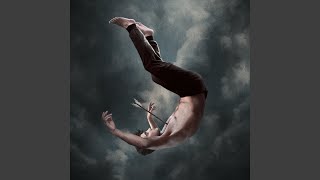
Aurora Lyrics in English by Jão
Aurora literally translates to "dawn" or "daybreak". It's a beautiful and evocative word that carries a sense of new beginnings and hope.
In the context of the song, Jão uses "aurora" to symbolize a moment of clarity or revelation that can only be seen after enduring darkness. He sings, "Na noite é que você consegue ver a aurora" (It's in the night that you can see the dawn), suggesting that challenges and difficult times are necessary to appreciate and find moments of light and happiness.
Jão's "Aurora" is a really cool song about wanting to find happiness again, even if it means taking a risk! He's ready to embrace whatever comes, saying "Entre no meu corpo, Seja água, seja fogo" [Enter my body, Be water, be fire]. It's like he's inviting life, in all its forms, to just wash over him. He wants to be happy again "Sem punir meus olhos por sorrir" [Without punishing my eyes for smiling], which is such a relatable feeling – sometimes we feel bad for feeling good.
He talks about being both "a presa, sou o lobo" [the prey, I am the wolf], showing he's ready for anything. There's this sense of leaving things behind, with lines like "Quando o sol sair à noite, Já estarei daqui tão longe" [When the sun comes out at night, I'll already be so far from here]. But it's not a sad goodbye; it's more about trusting the journey. He even says, "Na noite é que você Consegue ver a aurora" [It's in the night that you can see the aurora], which is a beautiful way to say that sometimes you have to go through darkness to find something beautiful and new. It's all about hope and trusting that "O tempo não erra" [Time doesn't make mistakes].