Nu Știi Tu Să Fii Bărbat Lyrics in English by Irina Rimes
Complac comes from the verb a se complăcea, meaning 'to acquiesce', 'to indulge oneself', or 'to resign oneself to a situation'. It's a less common, more nuanced word than everyday verbs.
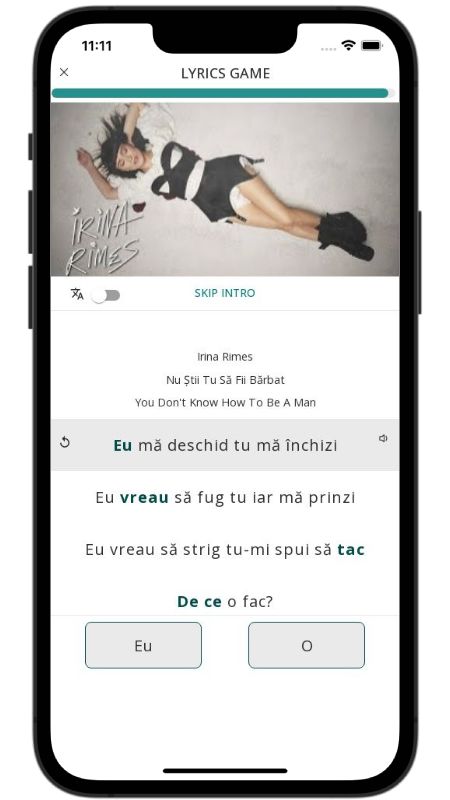
In the song, the singer asks, "De ce nu plec, de ce mă complac?" (Why don't I leave, why do I put up with this/indulge myself in this situation?). This word perfectly captures the internal struggle and self-reflection at the heart of the lyrics, making it intriguing for a learner.
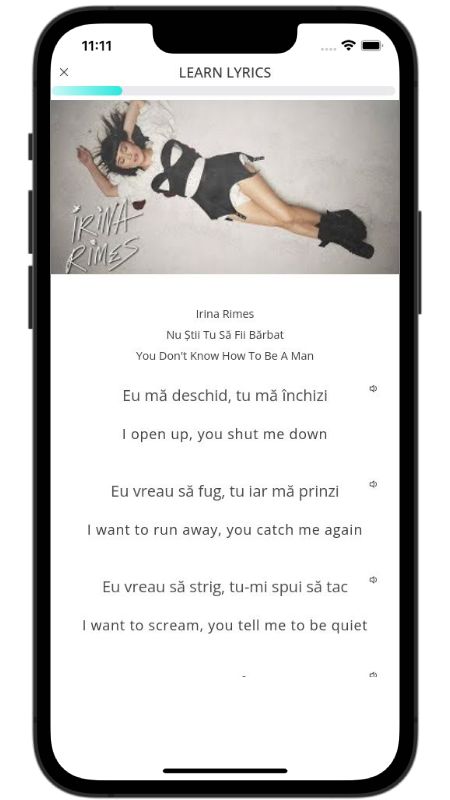
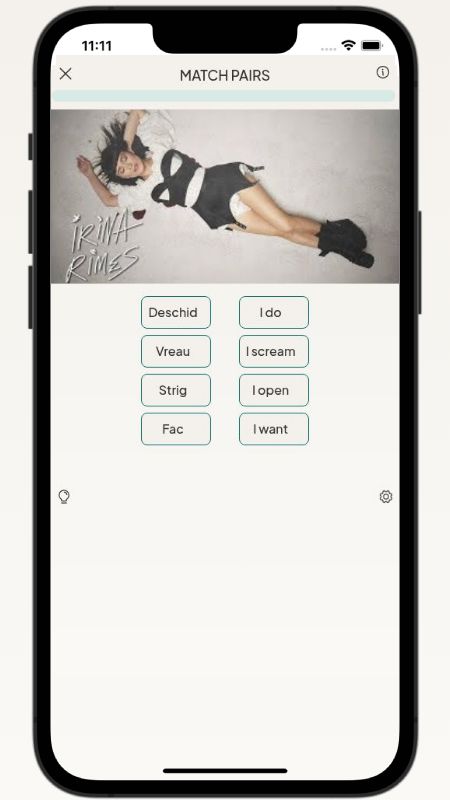
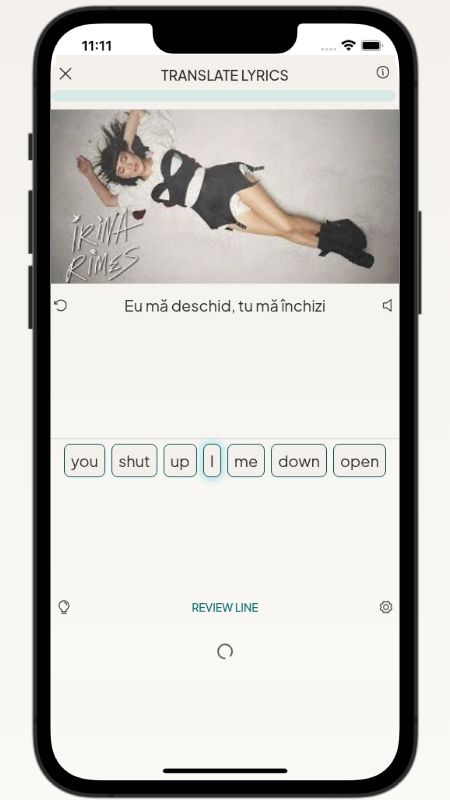
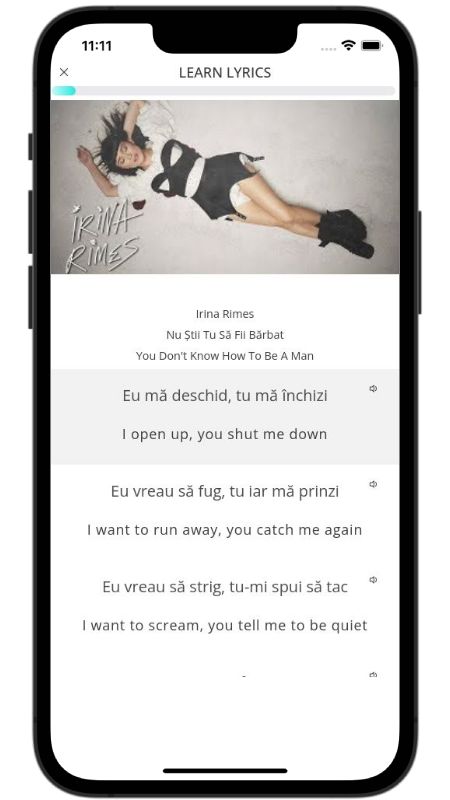
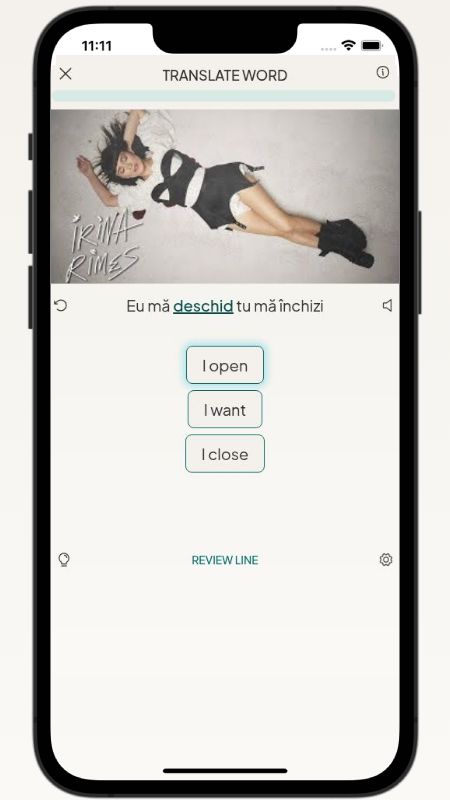
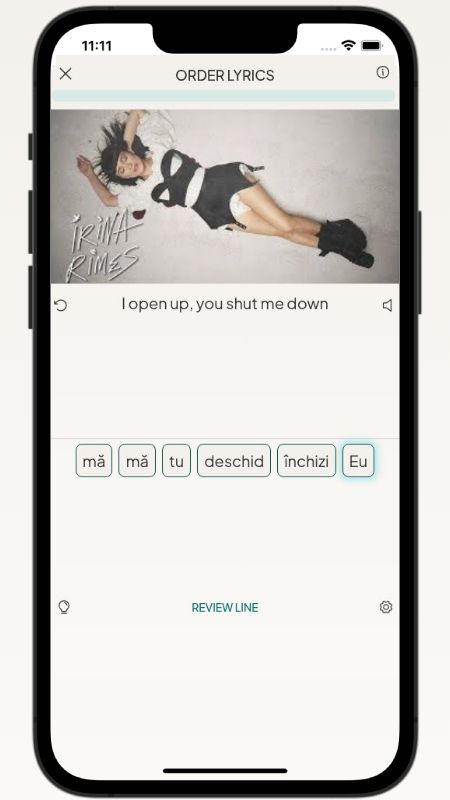
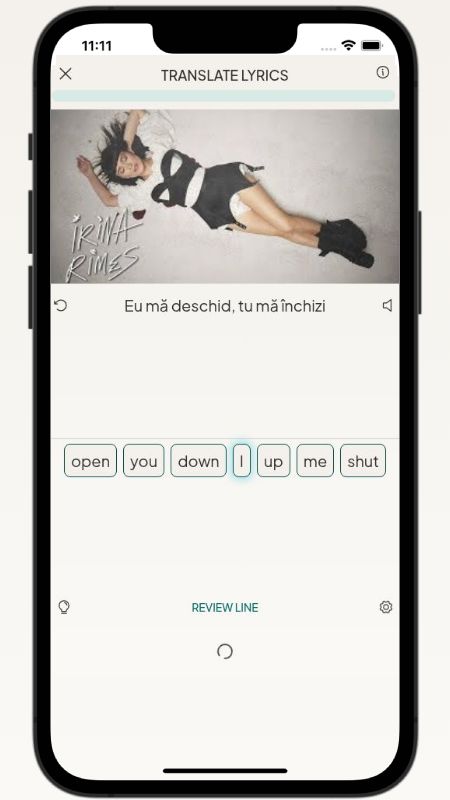
This song from Moldovan-Romanian artist Irina Rimes is a powerful takedown of a controlling partner. She lays out a relationship full of contradictions: "Eu mă deschid, tu mă închizi" (I open up, you shut me down), and "Eu vreau să fug, tu iar mă prinzi" (I want to run, you catch me again). She feels trapped, questioning why she puts up with it: "De ce nu plec, de ce mă complac?" (Why don't I leave, why do I settle?). She knows she's given him too much influence, admitting, "Ți-am dat puterea asupra mea" (I gave you power over me).
She finally gets to the heart of the problem in the chorus. It's not just a bad patch; he is fundamentally failing at being a partner. She tells him directly, "Nu știi tu să fii bărbat pentru o fată" (You don't know how to be a man for a girl). He criticizes everything about her, from her clothes to her feelings, which makes her wonder, "De ce mă mai ții, la degetul mic?" (Why do you still keep me, on your little finger?). It's a blunt and frustrated song about realizing your partner will never be what you need them to be.