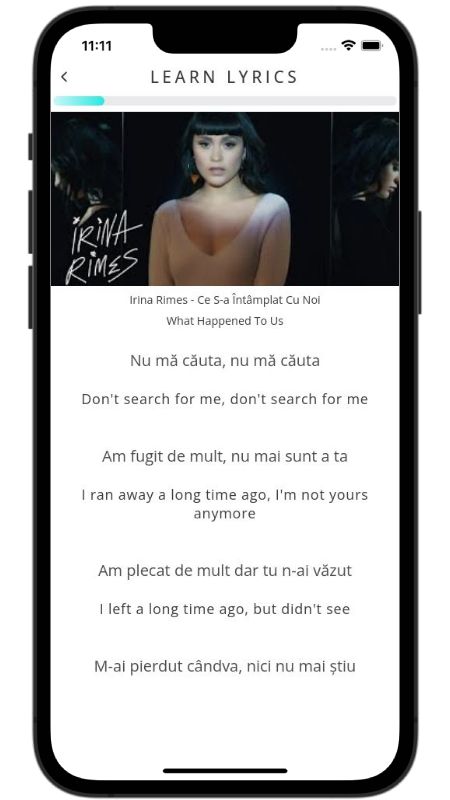
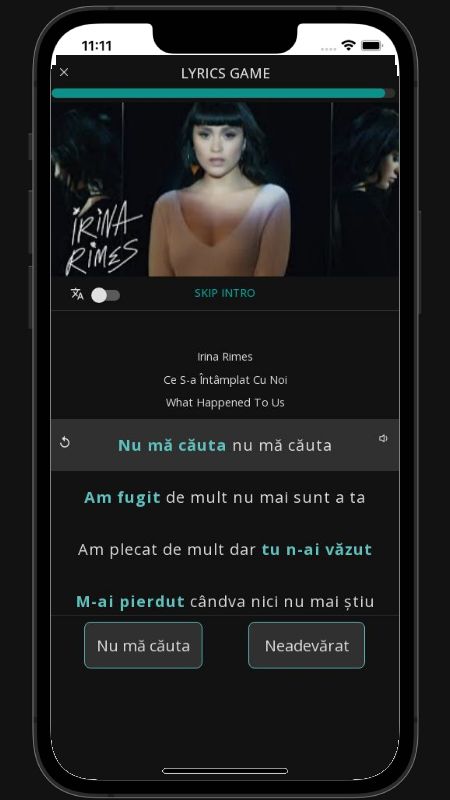
Ce S-a Întâmplat Cu Noi Lyrics in English by Irina Rimes
Ofileam comes from the verb a ofili, which literally means 'to wilt' or 'to wither', often used for plants. In this song, it's used metaphorically to describe the singer's emotional state.
It's a powerful and evocative word that conveys a sense of slow decay, loss of vitality, and emotional fading within the relationship. This unique imagery makes it stand out from more common expressions of sadness or pain, offering a deeper insight into the song's theme of a love that slowly died.
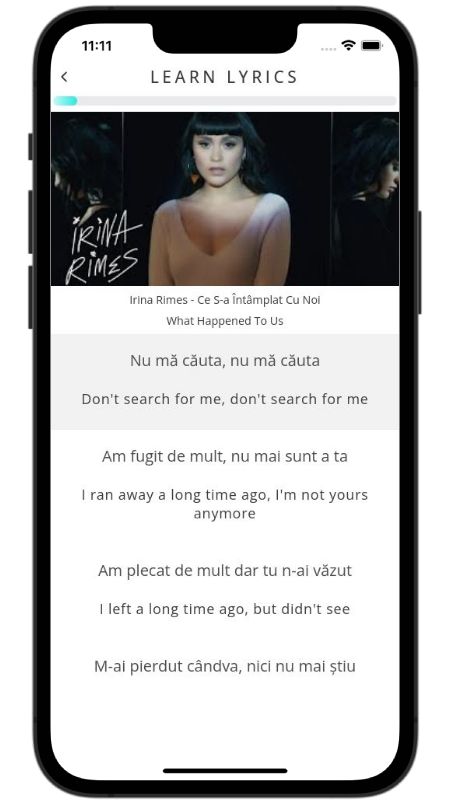
This song is a powerful and direct message to an ex-lover who didn't even notice the relationship was over. Irina Rimes starts by telling him, "Nu mă căuta, nu mă căuta" (Don't look for me, don't look for me), because she has already left. She says he lost her a long time ago, but he never saw it happen: "Am plecat de mult dar tu n-ai văzut" (I left a long time ago, but you didn't see). The reason is clear and painful; she recalls when he "ai dat cu mine de pământ" (threw me to the ground) not just once, but twice.
The chorus is a sad reflection on what went wrong, repeatedly asking, "Ce s-a întâmplat cu noi?" (What happened to us?). It's a question she asks herself, not him. She feels time passing painfully, saying "Timpul plânge, îl simt în ploi" (Time cries, I feel it in the rain). She's done waiting and crying, explaining she no longer has "Lacrimi să te-aștept la geam" (Tears to wait for you at the window). In the end, she looks back on their beginning and concludes it was all so long ago it feels unreal, or "atât de neadevărat" (so untrue).