¿Y Todo Para Qué? Lyrics in English by Intocable
Ilusionaste comes from the verb ilusionar, which doesn't have a perfect one-word English translation. It means 'to get someone's hopes up' or 'to create an illusion' for someone.
In this heartbreaking song, the singer asks, "¿Para qué ilusionaste mi corazón?" (Why did you get my heart's hopes up?). This word perfectly captures the feeling of being led to believe in a future that was never real, making it a powerful and emotional term for a lover who feels deceived.
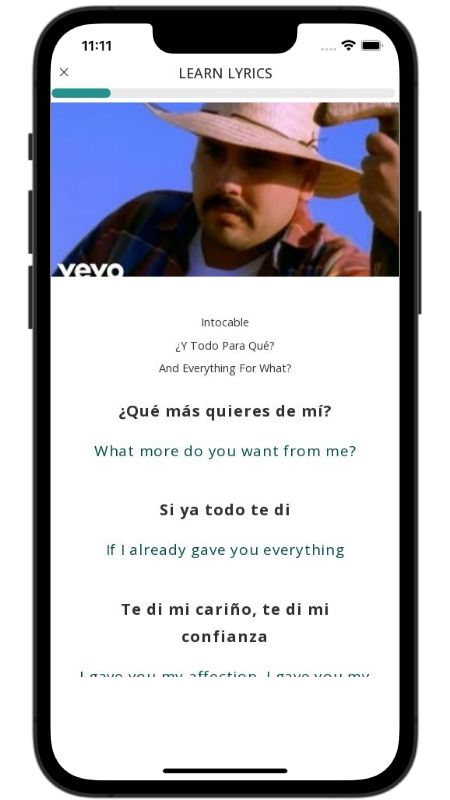
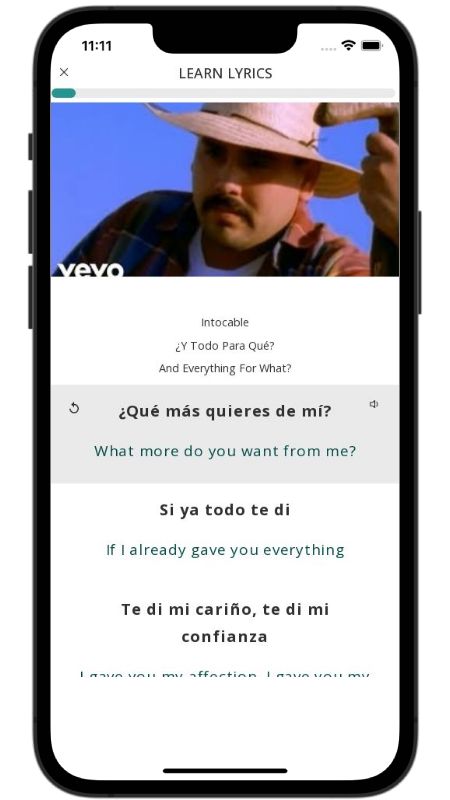
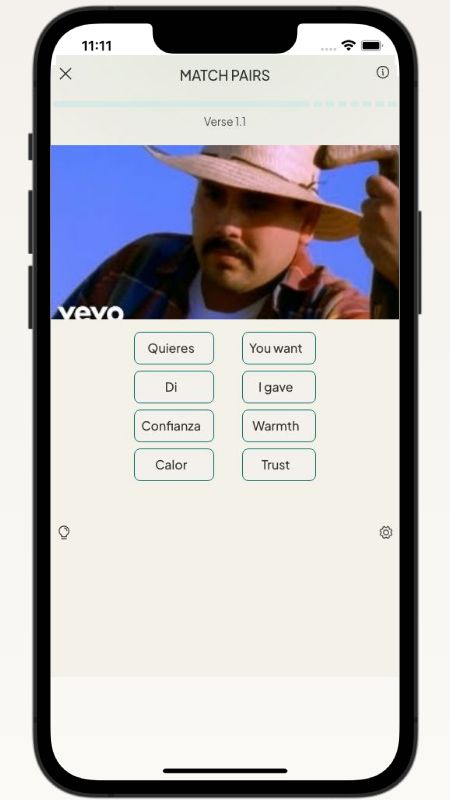
This song asks a question that anyone who's been through a tough breakup will understand: "¿Y todo para qué?" (And all for what?). The singer has given everything to someone, his affection, his trust, his whole life. He says, "Te di mi cariño, te di mi confianza / Te di mi calor" (I gave you my affection, I gave you my trust / I gave you my warmth). He's at a total loss, wondering why he was made to fall in love if it was all going to end like this.
But here’s the part that really gets you. Even though he feels like he lost, he sings, "Pero no me arrepiento / Si en cada momento me hiciste feliz" (But I don't regret it / If in every moment you made me happy). It's such a powerful mix of heartbreak and gratitude. He's devastated, but he can't bring himself to regret the good times. It's a classic song about loving someone so much that even the pain was worth it.