Chale Lyrics in English by Eden Muñoz
Chale is a quintessential Mexican interjection, similar to saying "darn it," "no way," or "come on" in English. It's a versatile expression used to convey frustration, disappointment, disbelief, or even a sense of resignation.
As the title of the song, it perfectly encapsulates the speaker's exasperation and emotional turmoil after a breakup. Learning Chale offers a fantastic glimpse into authentic, everyday Mexican Spanish, making it a memorable and highly educational word for any learner.
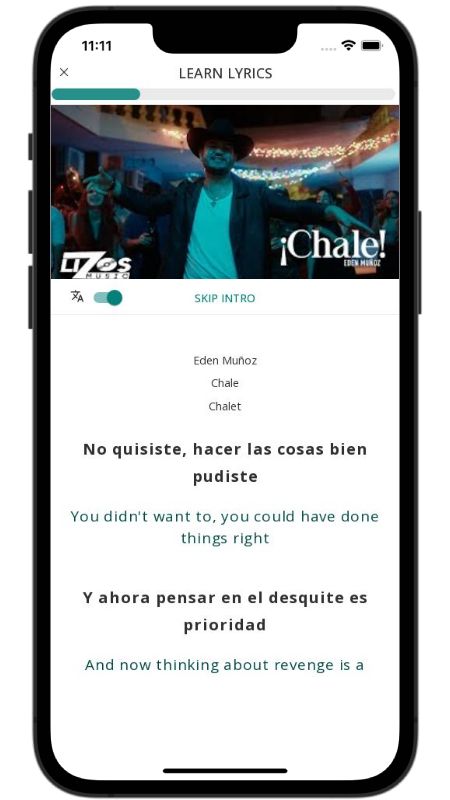
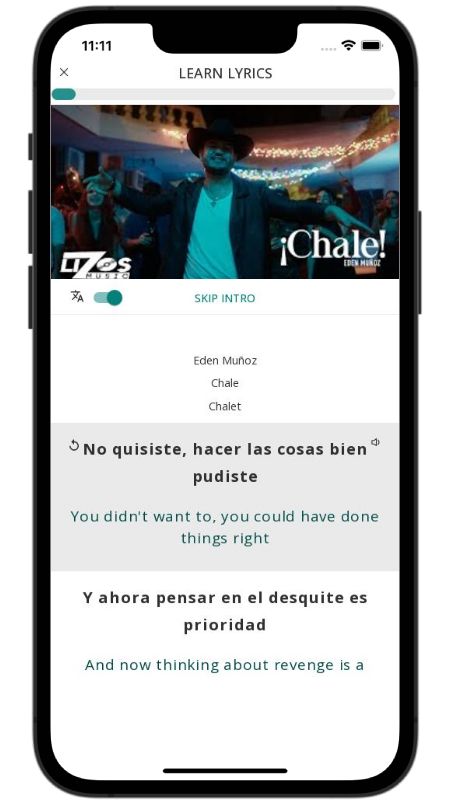
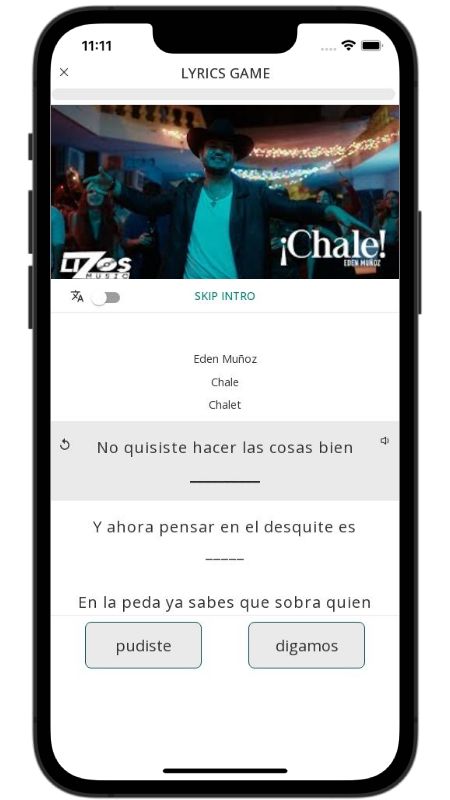
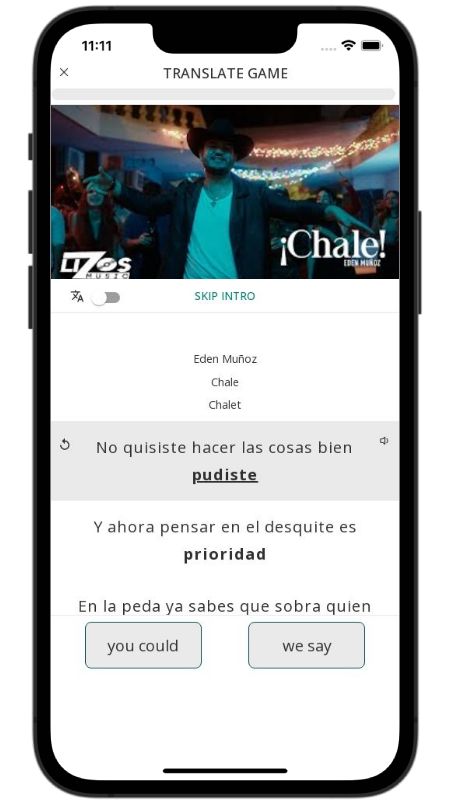
Ever been through a breakup that left you feeling like a total mess, but you also wanted to throw a party to celebrate? That's the exact feeling Eden Muñoz sings about in "Chale". He's talking to an ex who, he says, "no quisiste, hacer las cosas bien pudiste" (you didn't want to, you could have done things right). Now his plan is to go out and celebrate that "la tóxica ya dejó el nido" (the toxic one has left the nest). It's a classic breakup song with a twist: he's not just sad, he's angry and ready to move on by having a good time.
But under all that tough talk, he admits the breakup really hurt him. The song's title, "Chale," is Mexican slang for being bummed out or disappointed, and that's the real feeling here. He confesses, "Me dejaste un chingo de inseguridades" (You left me with a ton of insecurities) and that his life is "hecha un desmadre" (a complete mess). In the end, though, he decides to shake it off and move forward, reminding himself—and his ex—that "El mundo es muy grande / No te creas tan importante" (The world is very big / Don't think you're so important).