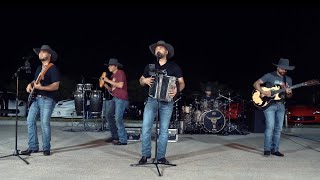
Si Se Hubiera Casado Conmigo (Live) Lyrics in English by De Parranda
Vergüenza translates to "shame" or "embarrassment". It's a strong emotional word that adds a layer of regret and social judgment to the narrative.
In the song, the lyric "para mucha vergüenza resultó sin vergüenzas" (to much shame, it turned out shameless) suggests a situation where a choice led to a regrettable outcome, possibly implying a lack of integrity or a scandalous revelation. This word is interesting because it hints at a deeper story of regret and social consequence, making the listener curious about the full context.
This song is a fun, slightly cheeky take on what could have been! The singer sees an old flame and can't help but imagine a different life for her. He's thinking, "Si se hubiera casado conmigo" [If she had married me], she would have had a "esposo, un amante, un amigo" [husband, a lover, a friend] – basically, the whole package! He even calls himself "un hombre decente que sí la quisiera" [a decent man who would truly love her].
It's clear he believes he would have been a much better choice than the person she ended up with. He even says, "éste prefirió aquel porque me dijo para mucha vergüenza resultó sin vergüenzas" [she preferred that one because she told me, to my great shame, he turned out to be shameless]. Ouch! It's a playful look back at a past relationship, full of confidence and a bit of a "what if" attitude.