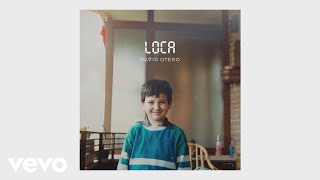
Una Foto En Blanco Y Negro Lyrics in English by David Otero, Taburete
Adueña comes from the verb adueñarse, meaning 'to take possession of' or 'to seize'. It's a less common verb than simply 'to have' or 'to get', making it more impactful.
In the song, the lyric is "Que se adueña de mi cara" (That takes possession of my face). It beautifully describes how an intense, unfamiliar sensation (likely happiness or a blush from imagining being with someone) completely overtakes the singer's face, almost as if it's no longer his own. This vivid imagery makes the word particularly engaging.
David Otero and Taburete sing about the ache of wanting someone before you've even really had them — the song opens with "Solamente oír tu voz" ("Just to hear your voice") and "Ver tu foto en blanco y negro" ("To see your photo in black and white"), the small, secondhand things a crush runs on. He admits "Ni siquiera sé si sientes tú lo mismo" ("I don't even know if you feel the same"), and the whole song lives in that uncertainty rather than resolving it.
The chorus keeps circling back to one plain wish, "Quiero volverte a ver" ("I want to see you again"), and the bridge shows exactly why: he dreams of her ("Me desperté soñando, que estaba a tu lado" — "I woke up dreaming that I was by your side") and feels young again doing it — "Y me siento como un niño, imaginándome contigo" ("And I feel like a kid, imagining myself with you"). It's a song about wanting, not having: the daydream is doing all the work, and the "black and white photo" is the closest thing to her he's actually got.